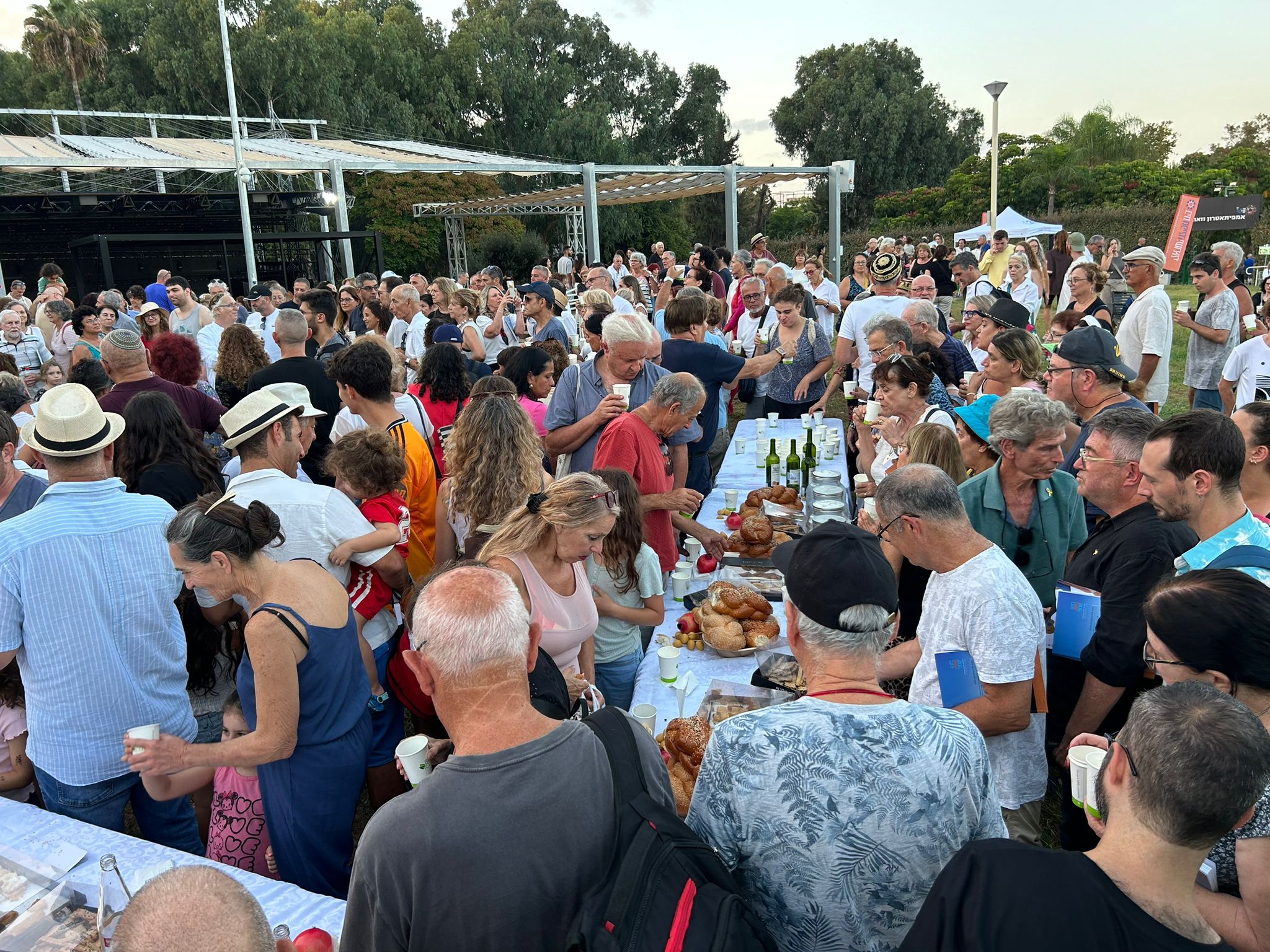
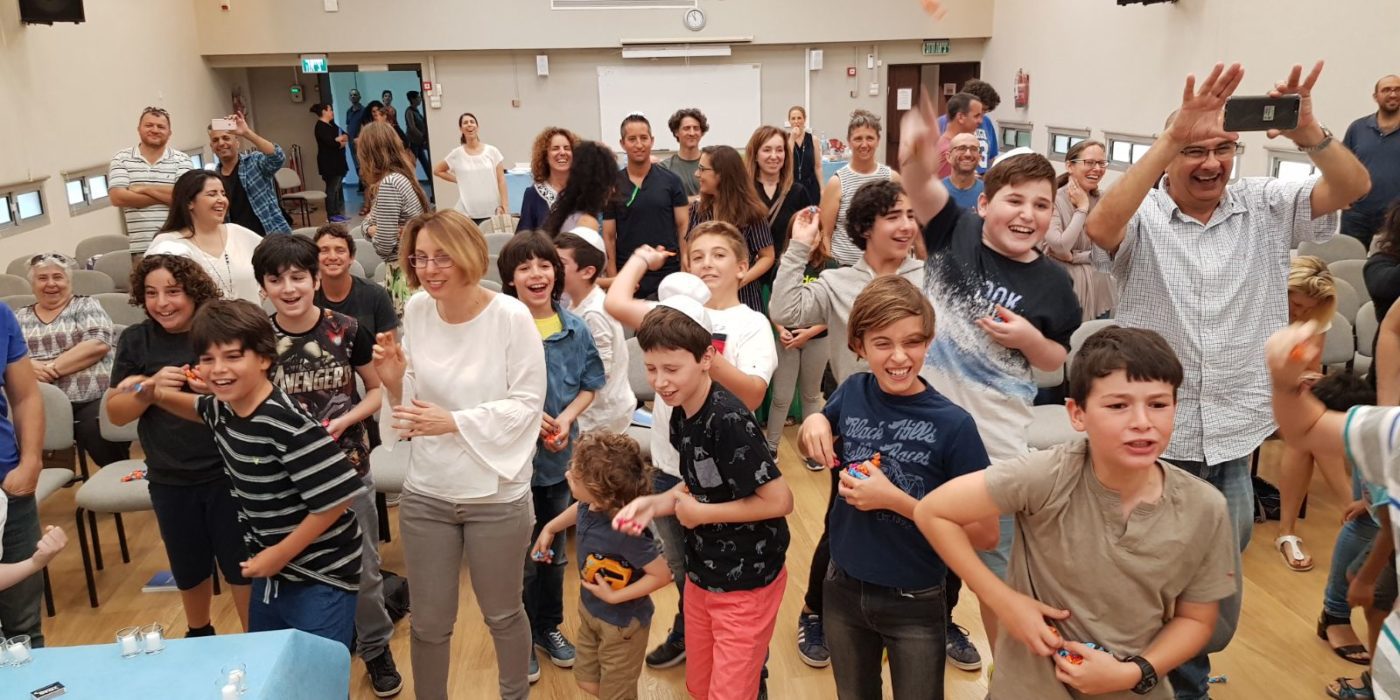
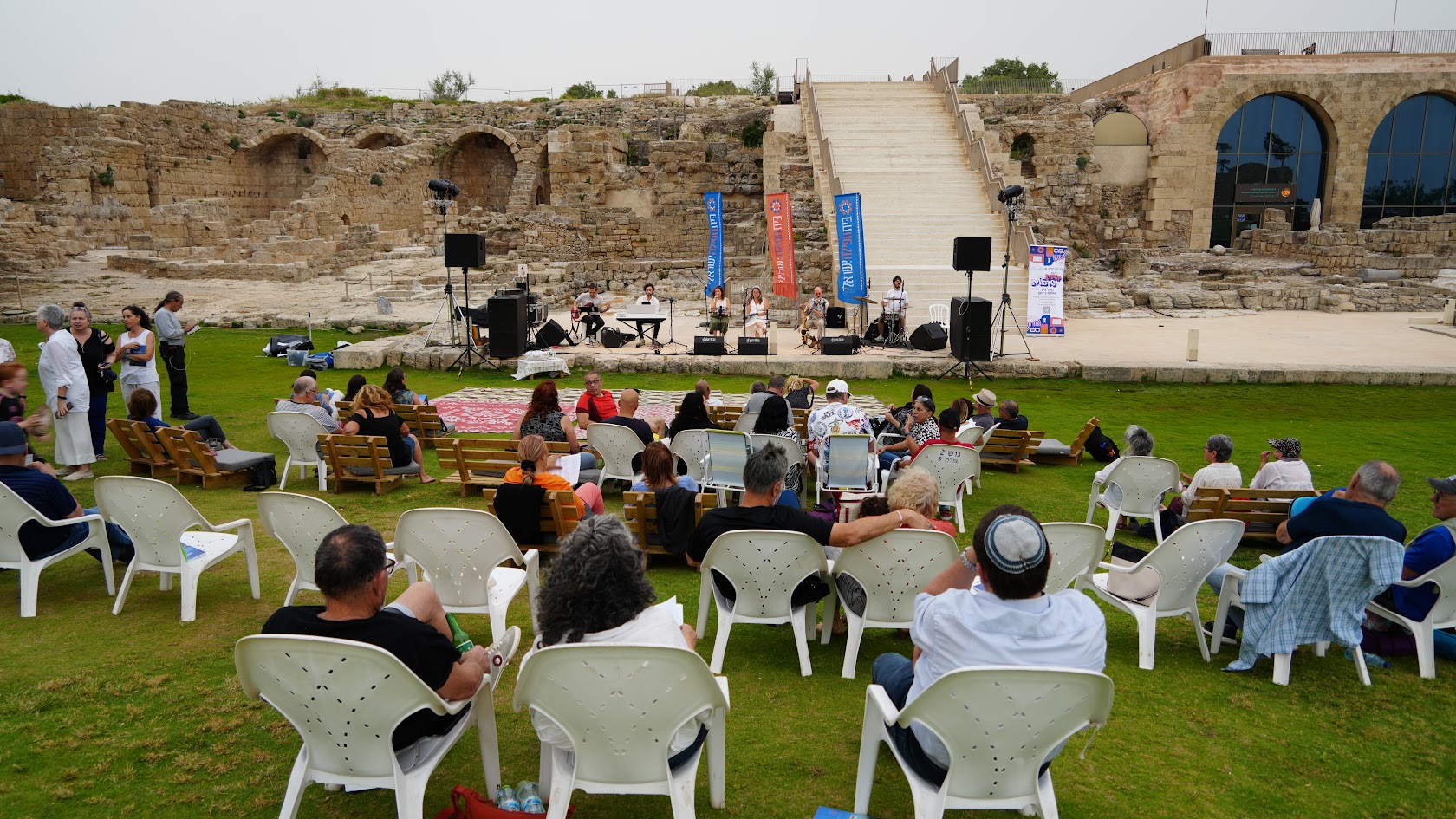
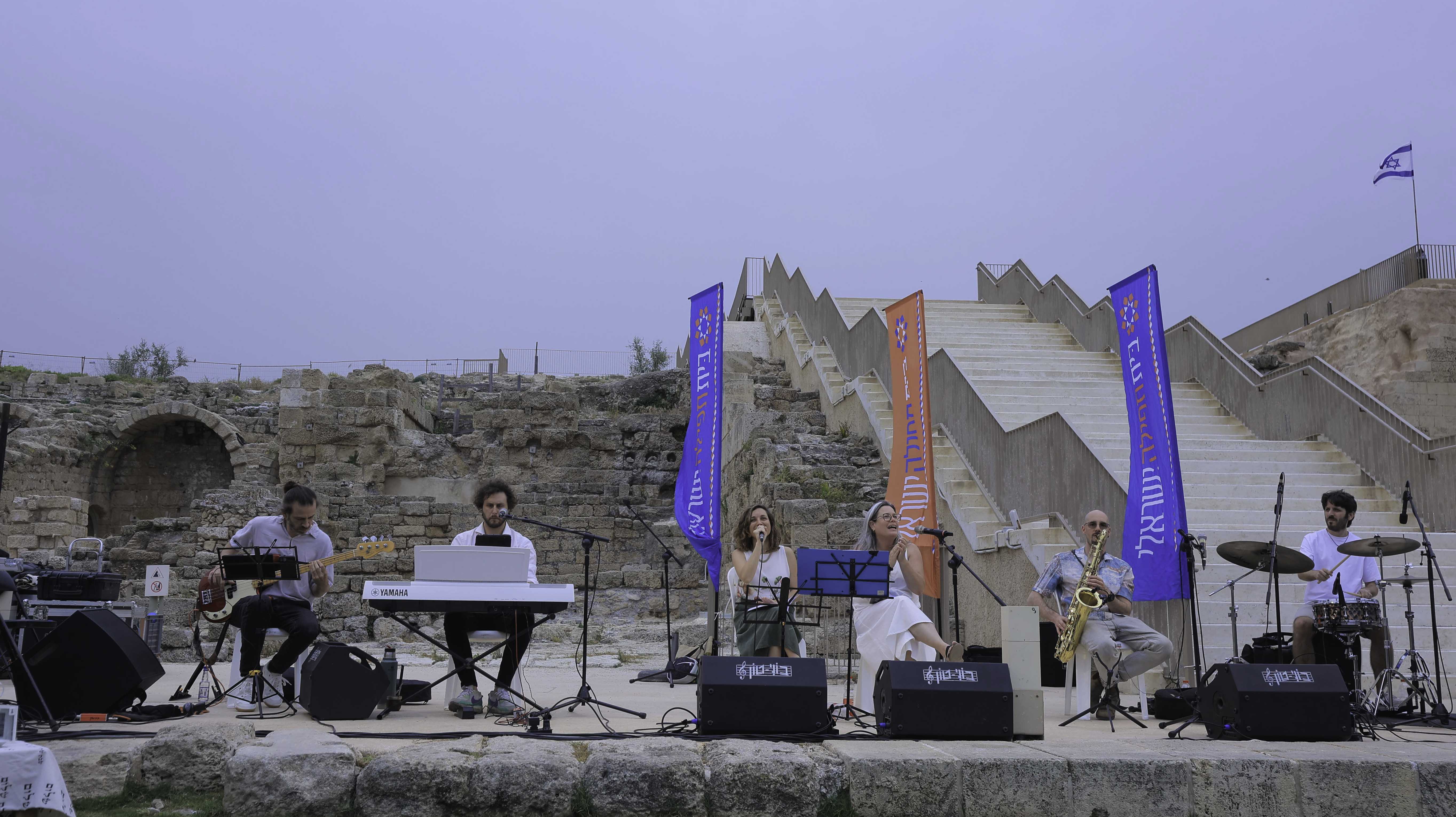
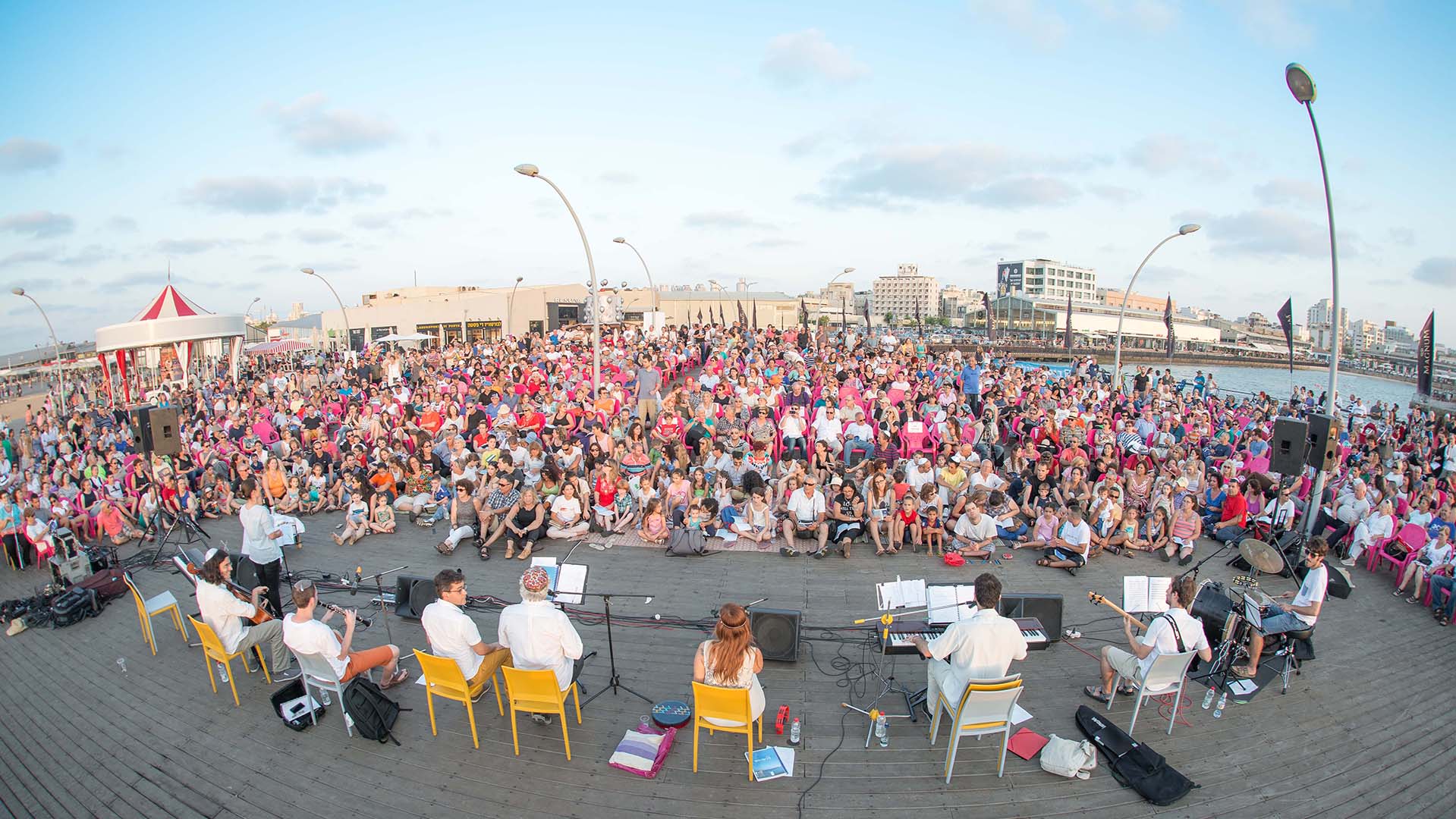
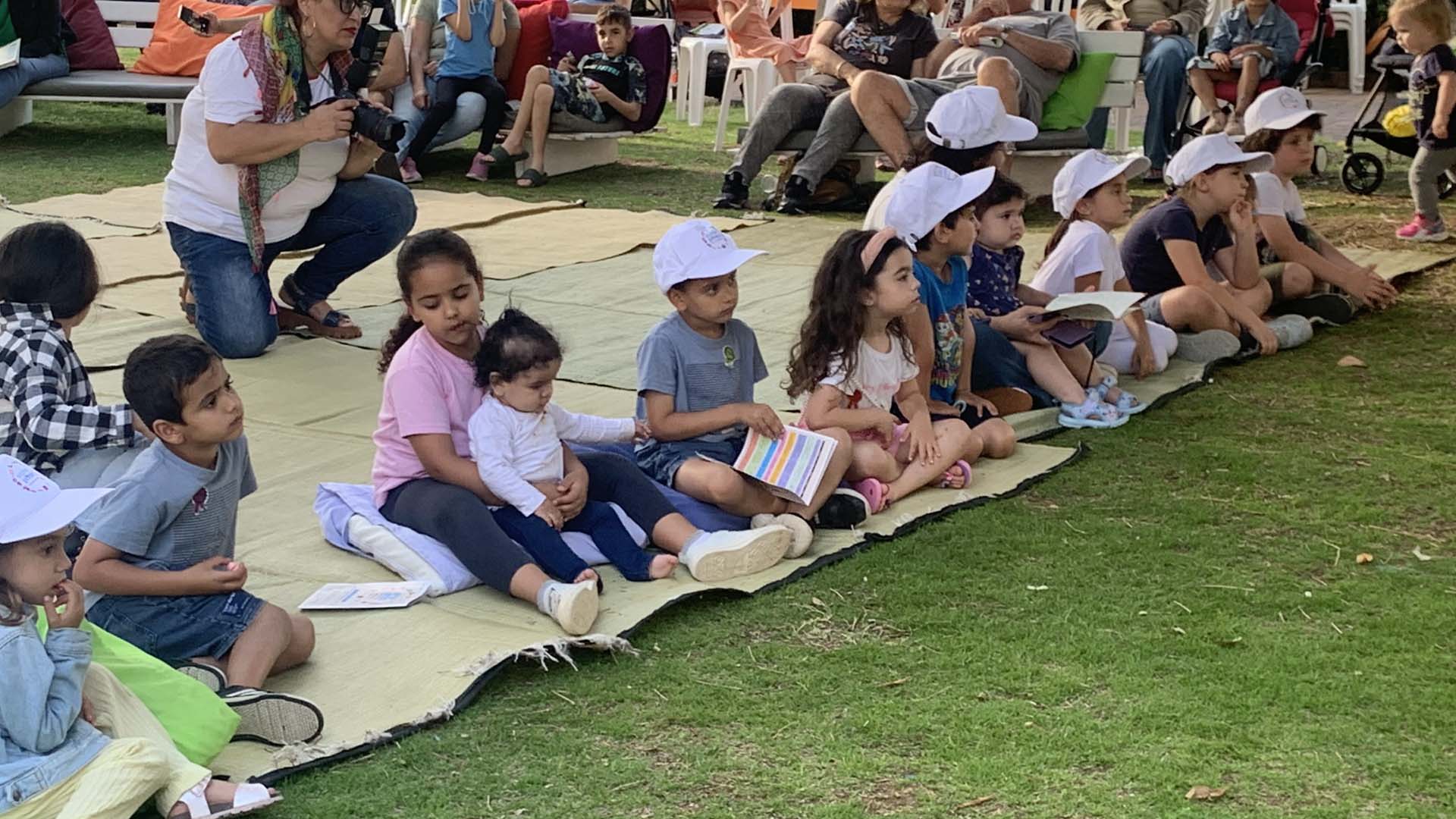
Celebrating Shavuot with an Israeli house of prayer in Rishon LeZion

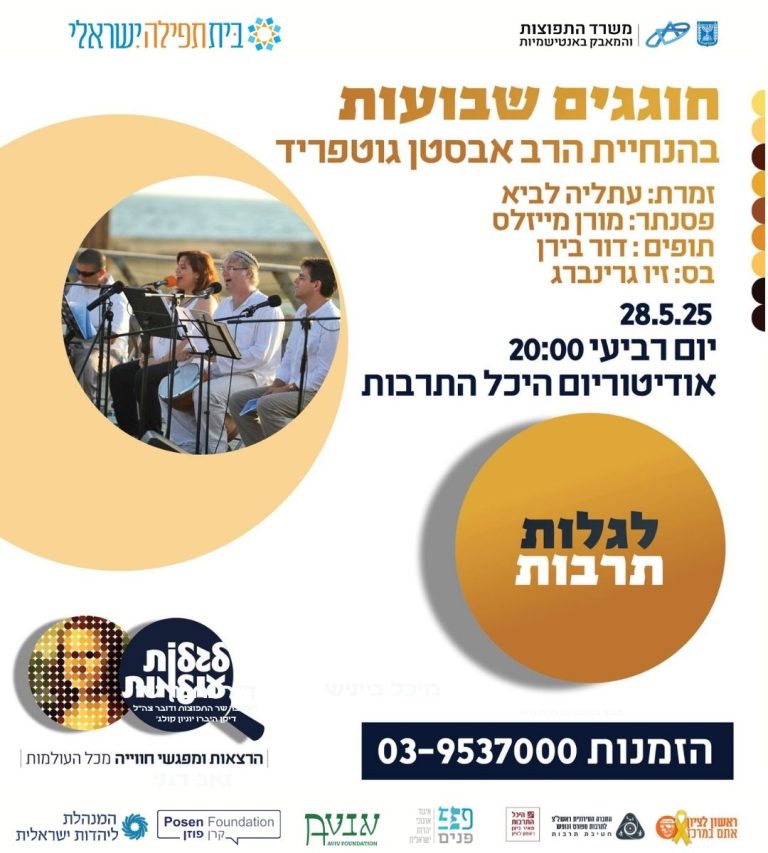
Celebrating Shavuot in Rishon LeZion

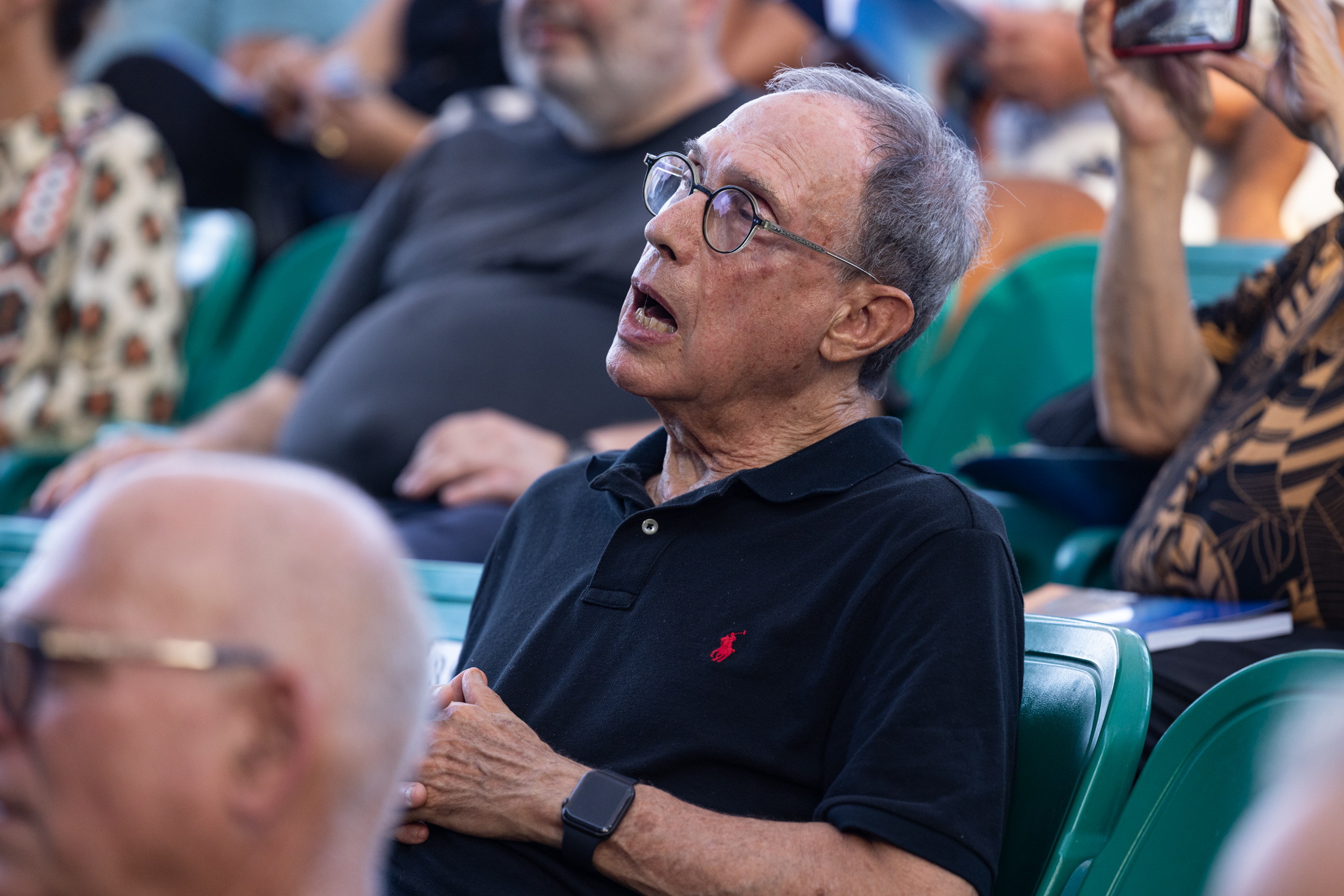
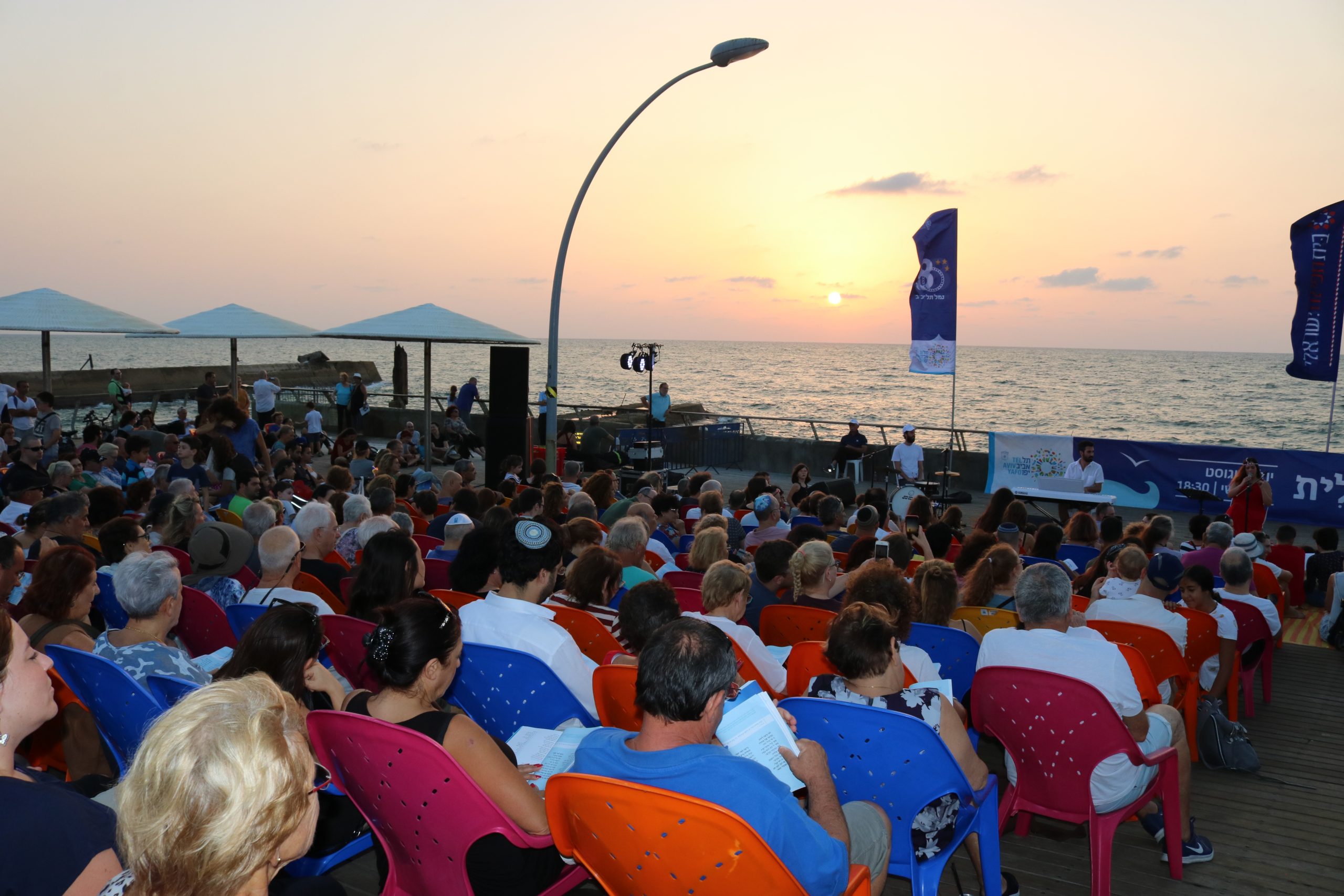
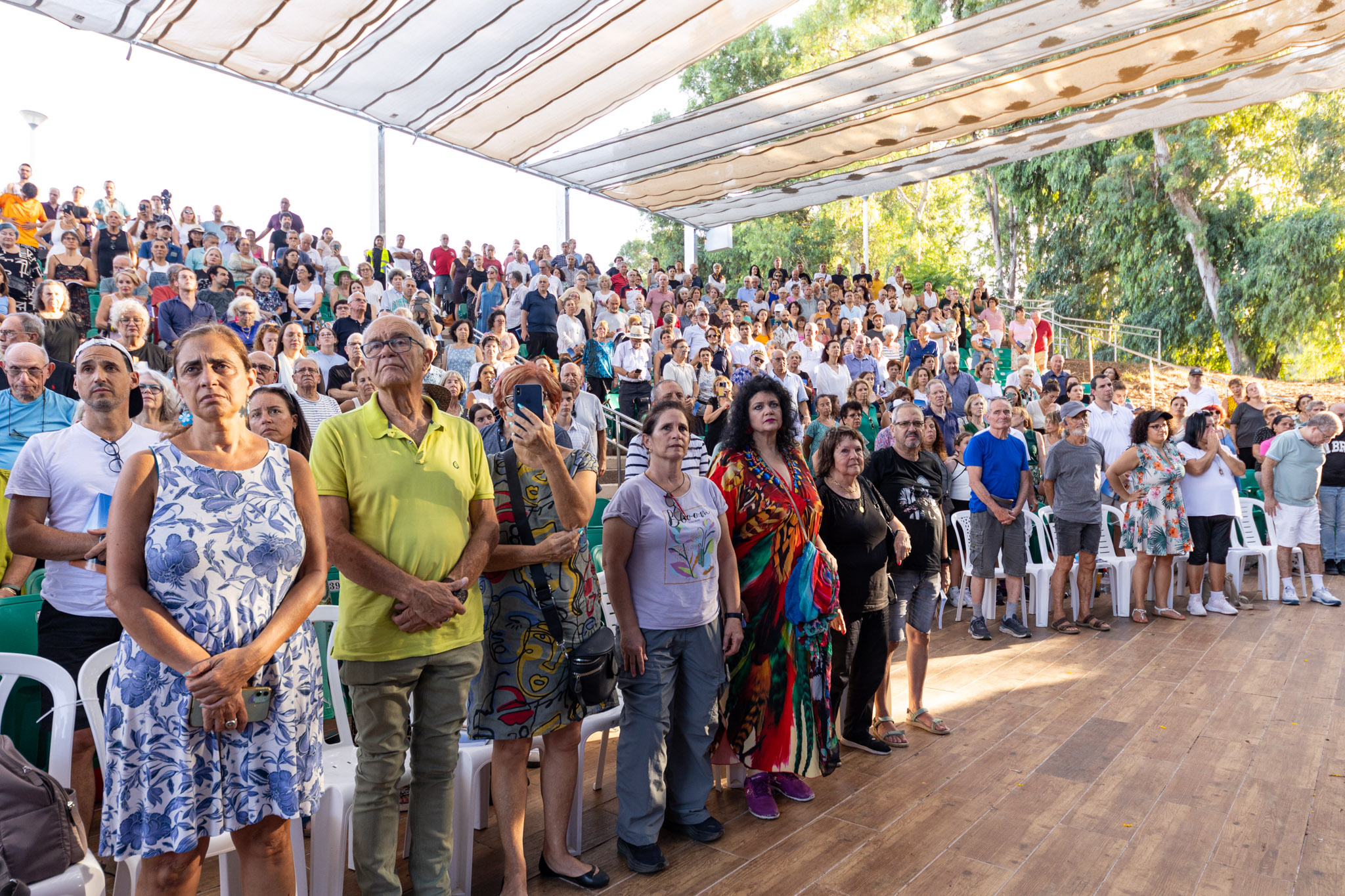
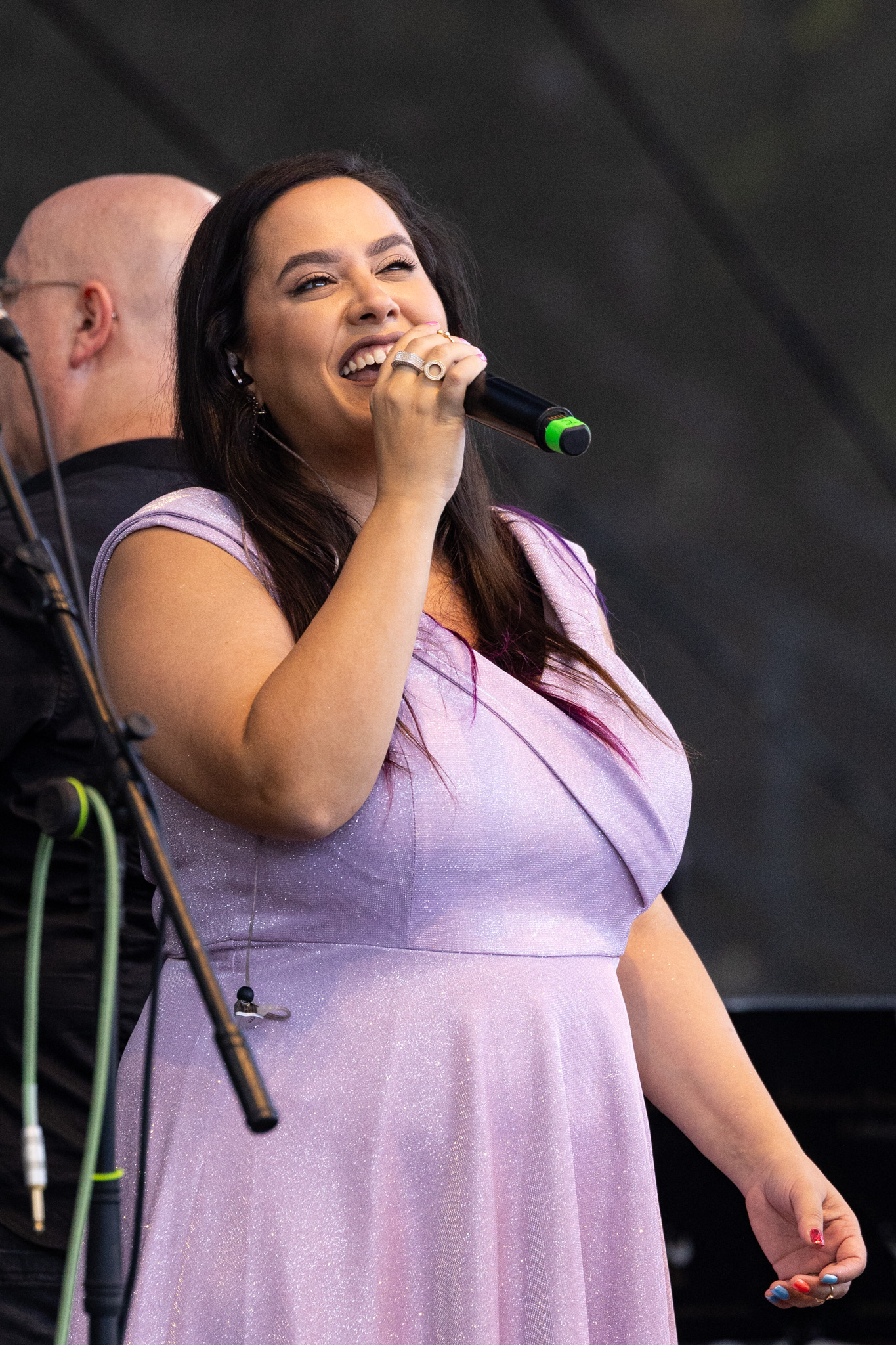
Welcoming the holiday together! A musical performance centered around the songs of the holiday and its values, firsts – the giving of the Torah, the Book of Ruth, and more. 

You are welcome to come. . Join us for a magical and uplifting community experience with  The musical ensemble of "Israeli Prayer House""

05/28/25 at 5:00 PM

Auditorium of the Culture Hall, Rishon LeZion.

For orders 03-9537000

Time to Build – Before the Shavuot Tikkun 5785

Time to build
Before the Shavuot correction, 5785

Time to build

Before the 2015 Shevets Amendment in an Israeli House of Prayer

Time to build

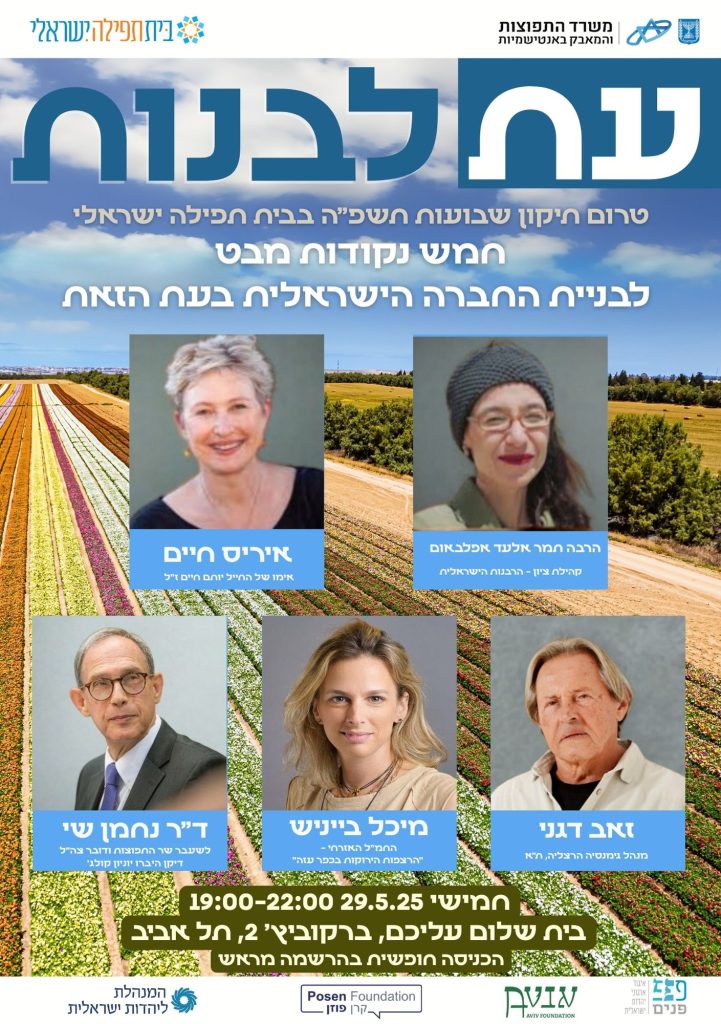
Shavuot is the holiday of Matan Torah. The time of year when we receive the Torah anew and take responsibility for it. What is our Torah this year? What are the mitzvot that the situation in the country commands us to commit to? This year we will dedicate the Tikun to conversation and lectures on the social Torah that is being handed down to us this year. We will host Iris Chaim, the mother of the late Yotam Chaim, in conversation with Rabbi Esteban Gottfried, and we will study with Rabbi Tamar Elad Appelbaum, Dr. Nachman Shai, Zeev Dagni, and Michal Beinisch.
 
Together we will welcome the holiday with singing, prayer, and learning about the repairs that it is our turn to install.
 
 
When? Thursday 29.5.25 between 19:00-22:00
 
where?
Beit Shalom Aleichem, Berkowitz 2 Tel Aviv.
 
Admission is free, subject to availability. Register here!
 
 
Tonight's schedule:
 
19:00 – Gathering
19:15 – Musical opening – with Athaliah Lavie and Shani Stern
19:30 – "Where do we start building" – with Dr. Nachman Shai and Dr. Zeev Dagani – Moderator: Esteban Gottfried
20:30 – "Building Bridges" on the healing needed for Israeli society at this time" with Ikis Haim and Harba Tamar Elad Applebaum.
21:30 – "Here We Build" – about the green floor project in the Gaza Strip. A discussion between Michal Beinisch and Ronen Keller.

Participants

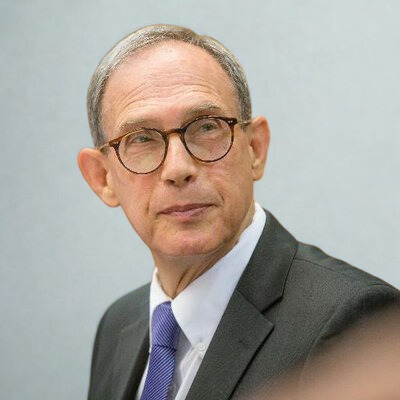
Dr. Nachman Shai

Former Minister of Diaspora Affairs and IDF Spokesperson.
Dean of Hebrew Union College in Jerusalem

Rabbi Esteban Gottfried

Rabbi, Co-Founder and CEO of an Israeli House of Prayer

Iris Haim

Palliative care specialist, resident of the Western Negev. Mother of the kidnapped soldier Yotam Haim, late

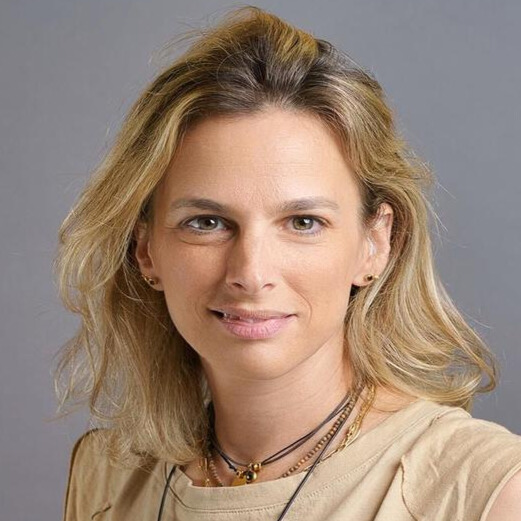
Michal Beinisch

Founder of Grain, member of the board of directors of the Civilian Labor Organization, one of the leaders of Brothers and Sisters in Arms and the "Green Floors" rehabilitation project in Gaza City.

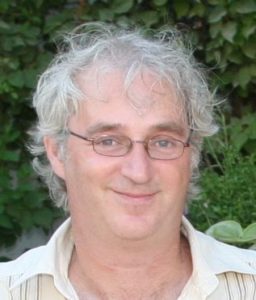
Dr. Zeev Degani

Principal of Herzliya Gymnasium, Tel Aviv

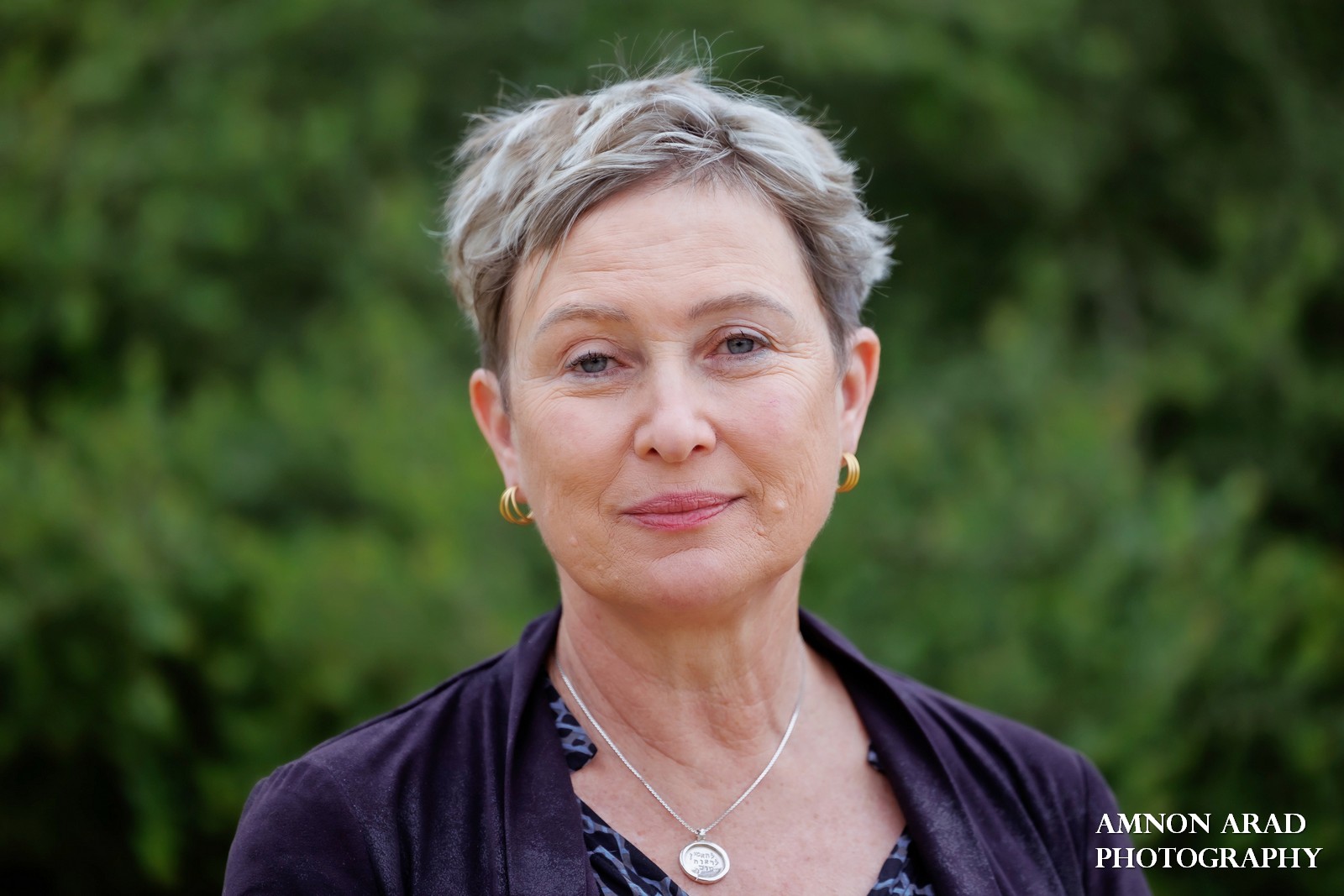
Many Tamar Elad Appelbaum

Head of Zion Community, founder of the Israeli Rabbinate program

Ronen Koehler

Organizational consultant, leader of Brothers in Arms, chairman of an Israeli prayer house
and the leadership of the Scouts in Tel Aviv

And Atalia Lavie and the musical ensemble of an Israeli prayer house

With Matthias Schulman and Shani Stern

To register for the Shavuot pre-Tikkun

Difference between Memorial Day and Independence Day 5785

Havdalah
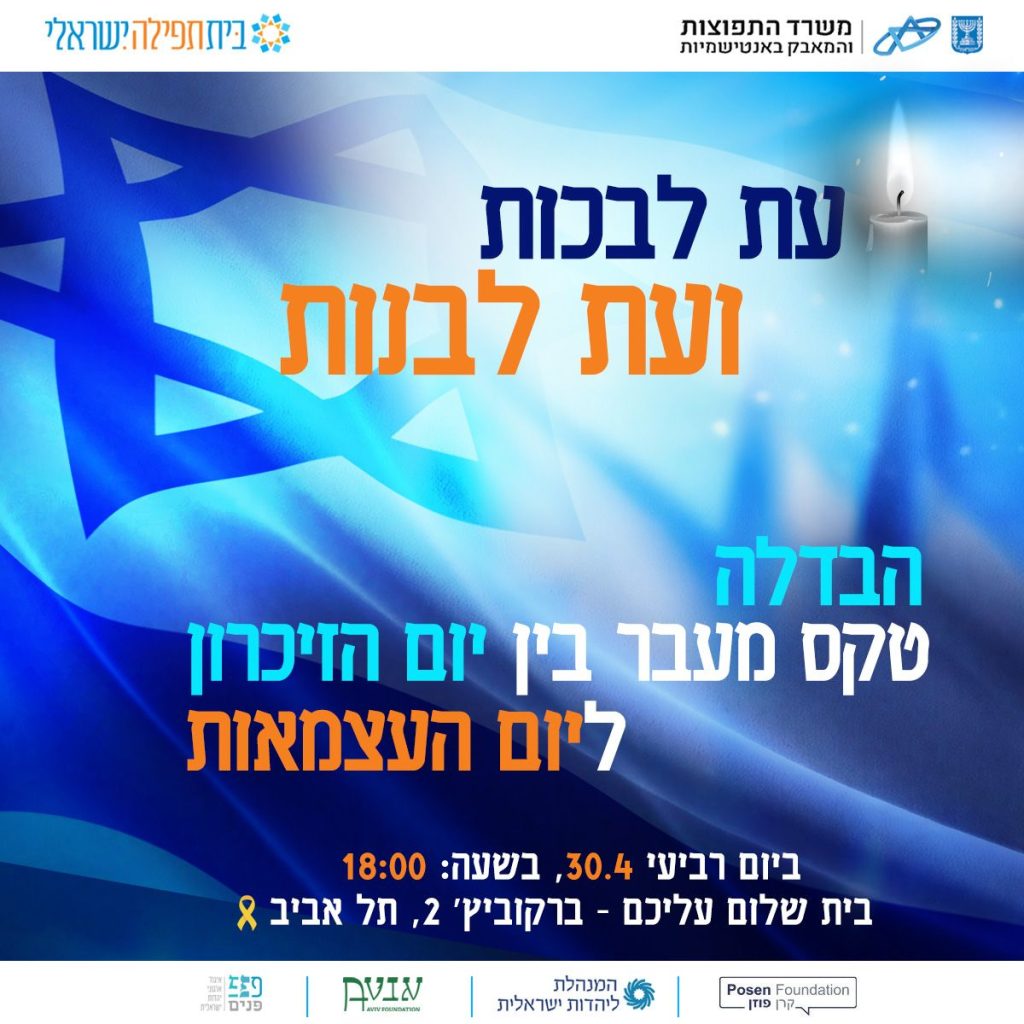
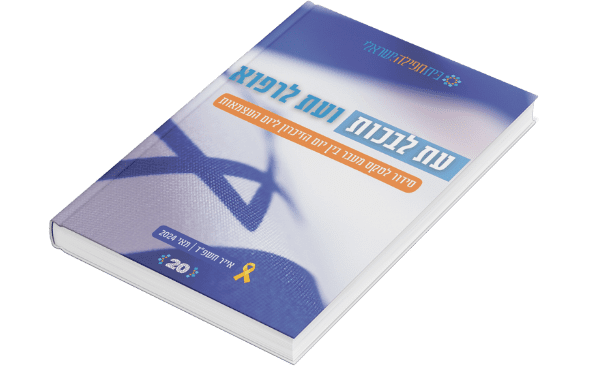
A ceremony of transition between Memorial Day and Independence Day

A time to weep and a time to build

Havdalah - a ceremony of transition between Memorial Day and Independence Day

A time to cry and a time to heal
 
 
Difficult days are passing us by, and the moment of transition between the day of mourning and the day of joy is especially difficult. This is a uniquely Israeli trait, which found expression in the Havdalah – a time to weep and a time to heal. This year, the transition is even more difficult and the current context undermines many of the sentences that make sense throughout the holiday.
 

However, this moment calls for fulfillment, for words, and for togetherness.

About two decades ago, a small group of people who founded the Israeli house of prayer in Tel Aviv It came together to try to provide a response to the ritual need that the juxtaposition of these days invites us to. The proposal received was to dwell precisely on this gap of time, between mourning and joy, and fill it with a ceremony that combines Jewish and Israeli materials and form. A ceremony of Havdalah. A Havdalah between Memorial Day and Independence Day.
The Havdala between Remembrance Day and Independence Day is built from ancient and new, traditional and contemporary creative materials. Through poetry, prayer excerpts, hymns, reflections and Israeli songs, we succeed in creating a gradual emotional transition between the polar states of mourning and joy, and observe the human ability to move between changing states of mind using different layers of the Hebrew language, with the ceremony centered on a free variation of the Havdala blessing between Shabbat and weekdays, adapted to the unique transition between the sanctity of Remembrance Day and the sanctity of Independence Day.

This year, more than ever, we are asked to spend this moment together. An Israeli prayer house invites the general public to a shared Havdalah with Israeli music, prayer songs, and solace for the soul.

 
The Havdalah will take place on Wednesday, April 30th, we will meet at: 6:00 PM > It is recommended to arrive early.
Event location: Beit Shalom Aleichem – Berkovich 2, Tel Aviv
 
Admission is free, subject to availability. Register here!
 

To register for the Havdalah ceremony, fill out the form.

You can download the Havdalah Order 5785 here

Gathering for Holocaust Remembrance Day 1975

Holocaust Remembrance Day gathering

Holocaust Remembrance Day gathering

5785

2015 Gathering

Music and prayer are two universal languages that express the depths of the soul and spirit. Both connect us to each other, to nature, and to something greater than ourselves. What is it about music that enables a meaningful prayer experience? What is the place of sacred and profane in synagogue music? And what is the role of the piyyutim?

Holocaust Remembrance Day gathering
From lament to hope
5785
 
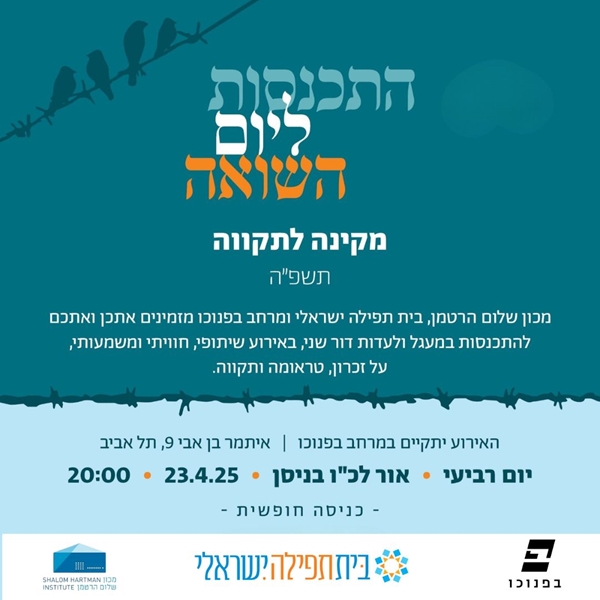
Holocaust Remembrance Day Eve, 23.4.25 at 8:00 PM
In the "Bafnocho" space – 9 Itamar Ben Avi St., Tel Aviv
 
As every year, we will gather together to remember with hospitality out of the responsibility to remember. For a meaningful, personal and communal ceremony, we will hear testimony, and we will turn mourning into hope. 
 
The event takes place in the space at 9 Itamar Ben Avi St., Tel Aviv. (The new home of the Israeli Prayer House offices). On Wednesday, April 23, 2025 at 8:00 PM. Admission is free with advance registration.


To register, fill out the form.

Therefore we have gathered.

Therefore we have gathered.

Therefore we have gathered.

Reading the Declaration of Independence - Study Circles - Falafel and Beer

Amit Ullman's performance

Opening remarks: Iris Haim

Therefore we have gathered.

 
Therefore we have gathered.
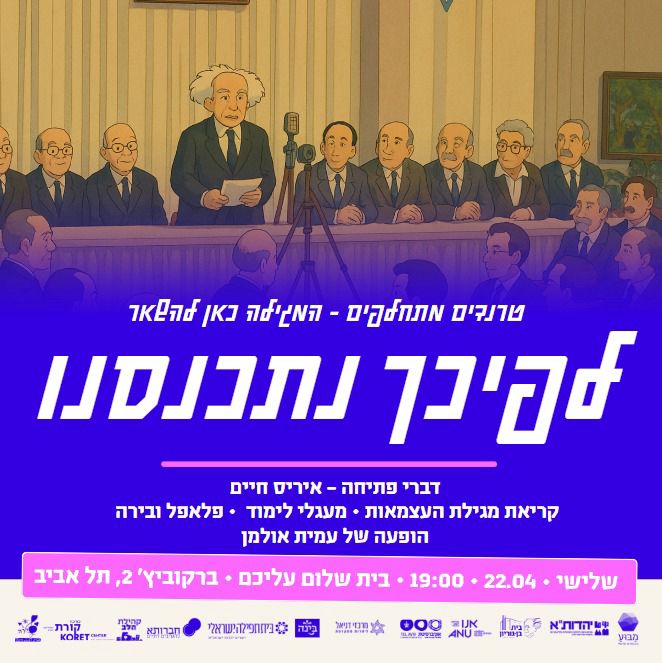
Changing Trends – The Scroll is Here to Stay
Tuesday 22.4.25 19:00-22:30
Beit Shalom Aleichem, Berkowitz 2 Tel Aviv


In a year of external war and internal divisions, we would like to return to a moment of diverse voices and broad consensus and come together around the most important text in the history of Zionism – the Declaration of Independence.

Tonight's schedule:

19:00-19:30 Gathering, falafel and beer
19:30-20:30 Opening remarks by Iris Haim and ceremonial reading of the Declaration of Independence
20:45-21:30 Study circles in collaboration with the Koret Center (Ano Museum), Bina, Daniel Centers, Israeli Prayer House, Daniel Community, Chavruta and Mamoua
21:30-22:15 Performance by Amit Ullman

The event will take place at Beit Shalom Aleichem, Berkowitz 2, Tel Aviv.

What will we talk about? The study circles will take place simultaneously and you will be able to choose which one to join.

* From Independence to Reality: From the Vision of the State to the End of a Constitutional and Social Crisis
Would we be able to reach agreements today that define the state?
Led by Ruth Amino – former content director of Beit Ha'atzmaut and Rabbi Benny Minich – Daniel Centers for Progressive Judaism.

* Under the Bloody Attack | A Compass of Values and Hope in a Time of War
We will study the paragraph of the charter that discusses the fighting events that began even before the Declaration of Independence and what compass of values and hopes the signers adhered to despite the situation.
Led by Dr. Moshe Weinstock, research fellow at the Hartman Institute, and Dr. Rani Yager, an Israeli house of prayer.

* A State in Reserves | On the Resounding Call of the Declaration of Independence From the Beginning to the Present Day
Moti Pasal (Mboa), a reserve officer, and Ayla Dekel (Bina), the wife of a reservist, have gone through a personal and family upheaval in the past year and a half, with the reserves at its core. Between the front and the rear, between tours, the Declaration of Independence continued to resonate in their minds and hearts. Now, they invite you to an open conversation about the place of the Declaration of Independence at the heart of our Israeli story.

* “To be a free people in our country” | “Back to the Past” game”
Let's return to the fateful meeting where the content of the Declaration of Independence was determined. We will try, through a game, to return to those moments and understand who the people who drafted the Declaration of Independence were, what dilemmas they faced, and how they reached compromises and agreements. Led by Noam Baram, Koret Center for Jewish Civilization.

* “It will maintain complete social and political equality for all its citizens, regardless of religion, race, or gender” | On the conflicts in 2025 On religion, LGBTQ, and the state Religion and pride – tolerance and inclusion
An open discussion on the conflicts of religion and LGBTQ from places of faith, legislation, and establishing a home in Israel. Hosted by the Hevrota organization.

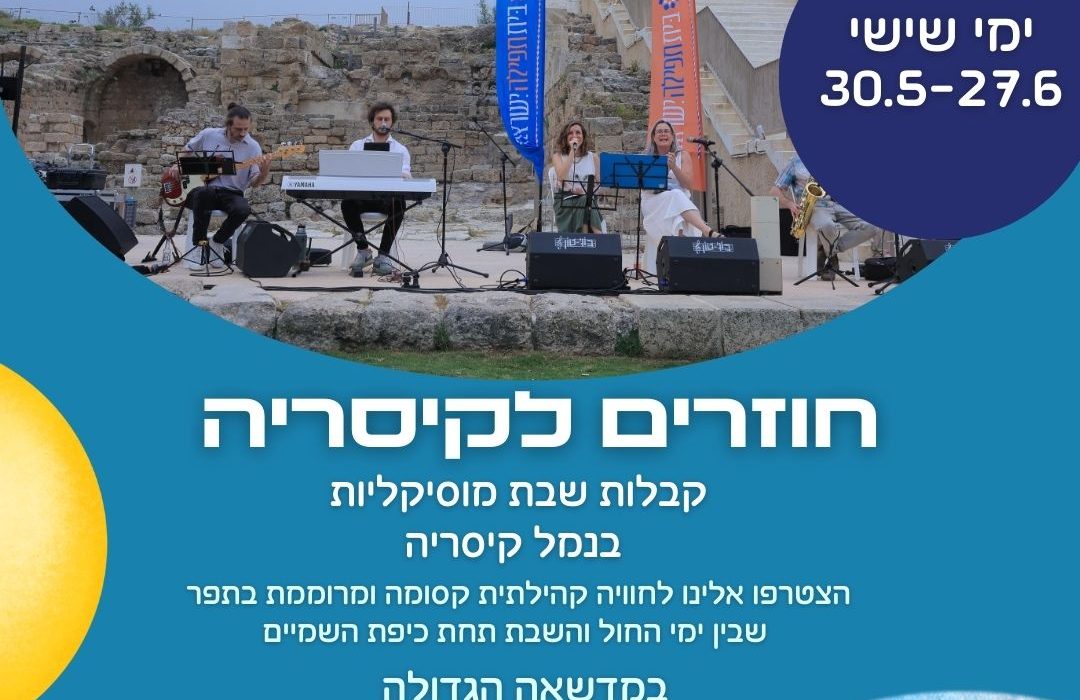
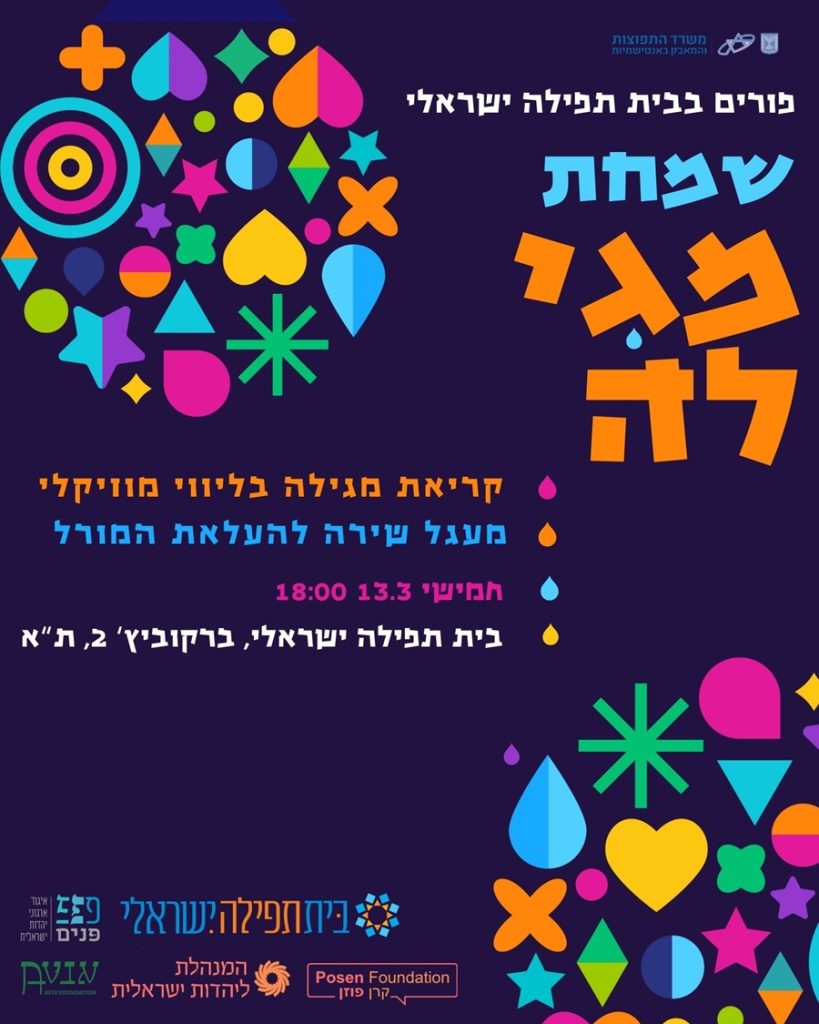
Purim in an Israeli house of prayer

Purim in an Israeli house of prayer

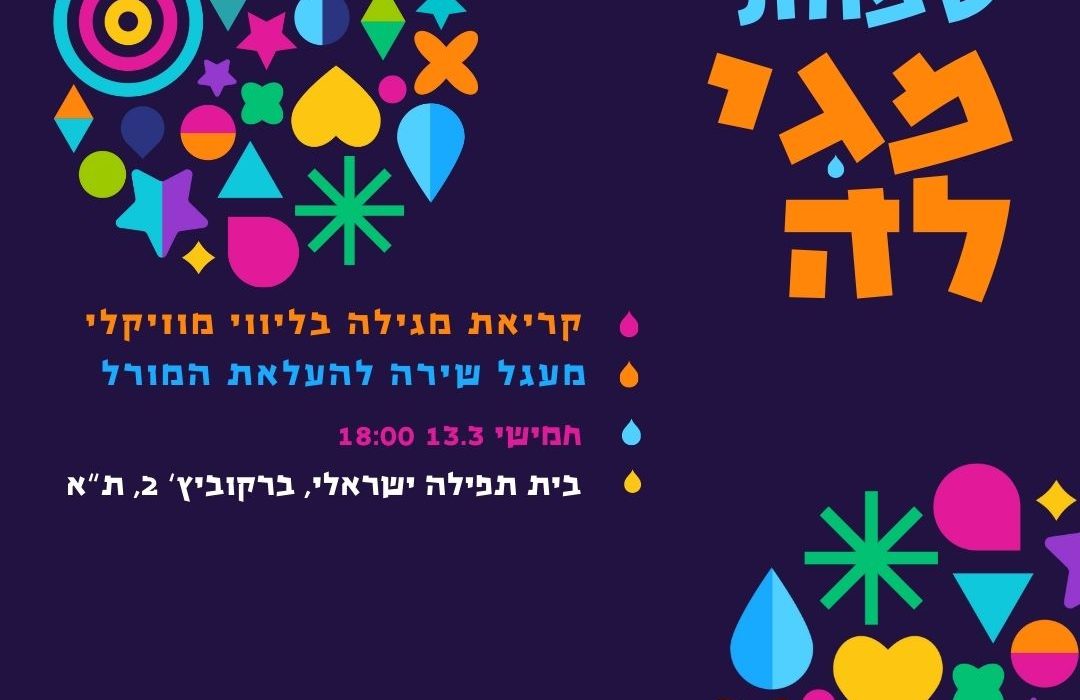
Reading of the Megillah with musical accompaniment and a poetry circle to boost morale

Purim in an Israeli house of prayer

A reading of the Megillah with musical accompaniment for the whole family and a singing circle to boost morale!
On Friday, March 13, 25, at 6:00 PM

In an Israeli house of prayer, 2 Berkowitz Street, Tel Aviv.

Come dressed up! Admission is free with advance registration.

thanks

thanks!
Looking forward to seeing you soon.

In the meantime, here are some more details about us:

Beit Tefilah Israeli It is a home for communal and creative Israeli Judaism. 
It is a place for Israelis from diverse backgrounds who seek to create a rich and meaningful community life open to all. The prayers and events of the prayer house are musical in nature, led by the community's rabbis, a cantor, and a team of musicians. Our prayer book includes traditional prayers and piyyutim from the sources alongside Israeli songs, prose pieces, and reflections.
 We invite you to join us and take part in our variety of activities.:
 
  • Musical Shabbat Keblat at Beit Shalom Aleichem, our permanent residence, once every two weeks
  • A circle of song and discourse for the reception of Shabbat
  • Musical prayers on holidays
  • Weekly Beit Midrash on a changing topic, this year on "Resilience"" 
  • Weekly classes with community members 
  • Teaching, accompanying and conducting Bar/Bat Mitzvah and Circle of Life ceremonies
  • Musical Shabbat receptions and holiday events in the public space 
 During the summer months, you can join the large musical Shabbat receptions of an Israeli prayer house at the Tel Aviv Port and other locations in Israel. (Tel Aviv Port, Caesarea Port, Dimona, Givatayim, Rishon LeZion, Hadera)
 You can also follow the calendar of Shabbat and holiday receptions. here 
We send a weekly update to the mailing list about the week's events and activities, usually on Wednesdays or Thursdays.
If it's more convenient for you to receive regular updates on WhatsApp, you can Join our quiet group that only contains announcements about activities or To the community WhatsApp group  Where there is also a dialogue between community members.
For more information and questions, please contact the office at 050-7426241  office@btfila.org
Or to the rabbis of an Israeli house of prayer
Rabbi Esteban Gottfried esteban@btfila.org   054-7763006 
Rabbi Dr. Rani Yager rani@btfila.org
Rabbi Rivi Dror rdror@btfila.org
 
See you soon!
 
Esteban, Rani, Ribi 
and the community relations team of an Israeli house of prayer
 

Our addresses

Prayers, Shabbat kabbalah and events

Offices

Shabbat receptions in the summer

Beit Shalom Aleichem, Berkovich 2, Tel Aviv

Itamar Ben Avi 9, Tel Aviv

Tel Aviv Port, North Deck

A Journey to Myself – The Time of Elul

A journey into myself

From 1 Elul to Yom Kippur – A journey to myself in 40 days and 40 questions

Copy of Copy of Untitled (1)

""The preparations "The mitzvah's consequences are more important than the mitzvah itself," says Rabbi Avraham of Shukotsov when interpreting the commandment to "be ready" before giving the Torah. What does it mean to be ready, to prepare for what? - The preparation itself is half the reception of the Torah, and indeed, sometimes the preparation is more important than the thing itself.  The same is true regarding the Tishrei holidays. 

Elul is the time for these preparations. The holidays of Tishrei are points of encounter, with our surroundings, with the sublime, and with ourselves. So how can we prepare for this contact? Preparing for Tishrei means opening up, being present to meet the present, and being ready for what the future holds for us, and most importantly – the unknown. Therefore, we invite you to join a special journey around the most important person – myself!

On the first day of Elul, an invitation opens for a personal journey into ourselves, a journey that begins on the first of Elul and ends on Yom Kippur.

It is an invitation addressed to us from somewhere in previous generations to open our senses, listen, and become more sensitive to the subtle nuances of our daily existence.


Elul is also an acronym for "I am to my uncle and my uncle to me," the intention being the emphasis in looking at the behaviors between one person and another. But before we talk about "my uncle," there is also the "uncle" that is dearest to us all - ourselves.


How will I look at myself with courage and honesty? How will I look inward with forgiveness and kindness?

We invite you on a personal journey. Each day we will present a question of intention that directs the self-view to the different aspects of our lives. It is time to take a few minutes each day for introspection and personal reflection. Each of the next 40 days contains a key. Take the opportunity to take each key and use it wisely.


To join our silent journey group, click here. 


A journey for myself

A journey for myself

A journey to myself #1

The days of Elul give us a chance to zoom out and look at ourselves from a bird's eye view. The holidays of Tishrei are like fixed stops in the spiral of life.  This is an invitation to stop and examine the grand scheme of our lives – where am I versus where do I want to be? Not to develop frustration but quite the opposite! From the standpoint that our lives are in our hands and we have another opportunity each year to steer the ship of our lives to where we want to go.  Where am I today and where would I like to be? Take a few minutes – 

If you want, you can even use a pencil to draw the two places and the gap between them. Listen to the song "Choose the Right One" by Amir Dadon – 

A journey to myself #2

How many times have I raised my voice and regretted it immediately afterwards? Do I manage to control my emotions or do I let my emotions control me? Do I have a personal way to pause my reaction in situations where I feel difficulty? What helps me calm myself? The chapters of the Apocrypha teach us simply, "What kind of hero is he? He who conquers his own creation.".

A midrash on Parashat Toldot explains the verse, "And it came to pass, when Isaac was old, that his eyes could not see" (Genesis 27), in that anger removes the light. There is a kind of blindness in total surrender to the raging emotion. So how do I manage to pause? Response? Count to 10? outgoing Going for a walk in the sea? Listening to music? Breathing deeply? Writing in a journal? What is my way of being in control of My feelings…? 

Please write on a clean page, What tools do you have at your disposal to calm the turbulent waters that occasionally overflow? Or In other words – how do I manage to control My temperament? 

Wanted/Admiel Kosman


A quiet place is wanted.
Upon him rests the soul.

How many degrees?
only.

Wanted: A place to use
A path to the foot.

How many degrees?
only.

Wanted: A pot, a leaf,
Gibeol, or Shi'ah, may it never be established.

And it will fold when it is
Come. How many are there in the heart?.

One word is requested,
Clean, comfortable and warm, a place to relax.

A recorder, for me,
My dear, my dove-child, my soul

As soon as it came out of the ark,
How many minutes, in the morning hours,

And there is no escape from the place of rest.
To the leg.


A journey to myself #3

humanum est errare – to err is human, Seneca wrote as early as the 4th century BC. After him, they also added the sentence "and to forgive is divine.". The Jewish term for error is sin, and on the days of atonement and Yom Kippur in particular, we are called to list a broad series of general sins, which include our own mistakes and those of society together, and to confess them. 

So what is "sin"? Sin comes from the word "sin," meaning "missing." When I'm not precise, when I don't do the most precise thing I should do, I miss something—and that's what sin is. 

When was I not precise with myself? When was I not precise with those around me? How did I miss my goals this year? Are these misses recurring? Do I have the ability to be more precise, and not miss? Our answer is that the possibility of correction always exists. 

The measure is always "Would I be able to act differently when I find myself in the same situation I was in when I made the mistake?".

Yehuda Poliker – "Things I Wanted to Say" 

A journey to myself #4

What is my most significant achievement this year?

Every day we achieve achievements. Small and large. Waking up in the morning with vitality and strength for a new day can be a significant achievement for one person, while for another, a great financial success or an unprecedented achievement at work can be considered worthless. Achievement is in the eye of the beholder. Take a moment to think about your achievements in your eyes. What are my achievements in reaching out to others, what are my achievements in maintaining my health, in carefully maintaining a clean living space? What are my achievements in relationships with the people close to me? And which of my achievements is the achievement that makes me walk with my head held high and be proud of myself the most?   


You are invited to listen and be inspired by the poetry of Avigail Uziel Amar on Rabbi Kook's sermon "Wings of the Wind""

A journey to myself #5

What habits or regular patterns would I like to get rid of? 

""Habit becomes nature/ And nature is hard to change/ But in a permanent way/, "You have to try."" 

This is what Hava Alberstein writes, and even if she didn't intend it, she hit exactly on the central theme of the month of Selichot and the High Holy Days: the possibility of starting over, breaking the patterns we are familiar with, and believing that it is possible to start again from the beginning.   Every year the High Holy Days offer us a new opportunity to look at ourselves and examine which of our actions are choices and which are habits. How do I distinguish between nature and habit – even before it becomes nature?.   

The Rebbe of Kobrin gives a creative interpretation of the verse, "Your shoes are above your feet, for the ground on which you tread is holy ground" (Exodus 3:5). Don’t call it your shoes, he says – but your lock. 'Your lock is above your feet.' Shoes are the locks that fix us and don’t allow us to get out of our fixed patterns. The holy place is ""Here and now" is the fertile ground and the hour of opportunity in which the human spirit commands the positive action of renewal.  Elul is a good time to shake off the locks so that we can arrive at Rosh Hashana free from these patterns. 

You are invited to take some time and paper and make a list of the habits you would like to get rid of, and you are invited to bring the list to the community Tashlich ceremony that will be held on Rosh Hashanah. 

Poetry by Hava Alberstein – "Habit Becomes Nature""

Ovadia Hamma's poem "Your locks are above your feet" – based on the midrash.

A journey to myself #6

What is stopping me from being the best version of myself? 

I know exactly how I would like to live - what I would like to do, in what physical and human environment I would like to spend my daily life, how I want to feel and look. But life is not easy.. and there are things that prevent me from being exactly where I would like to be. What are these obstacles? What prevents me from living my life exactly as I would like? How can I overcome them and become the best version of myself? 

Near his death, Rabbi Zusha Manipoli said: "In the world to come, they will not ask me: 'Why weren’t you Moses?' Rather, they will ask – 'Why weren’t you Zusha?'" Rabbi Manipoli’s famous statement succinctly states that even if we have role models, they are not us, and any imitation – even if it justifies the generation, misses the mark. The question we are invited to ask ourselves is whether my actions reflect my unique personality and my role in the world. Each person has a different role, and therefore my expectations of myself are different from the expectations of someone else. In fact, the question about achievements is always in relation to my role in life. And how do I figure out for myself what my role is? That is a different question. The late Rabbi Lord Jonathan Sacks writes that one way to get an indication of what my purpose in the world should be is at the intersection where my abilities meet what needs to be done. When the two paths intersect, there is a call to purpose. May we be able to be attentive to these voices, and recognize the obstacles that lie in the way.

You are invited to listen and be inspired by Arik Lavie's magical poetry in the song "On My Way"  


Arik Lavie – "In My Own Way""

A journey to myself #7

What is a source of strength for me?

Send me strength, don't let me escape. 

Even if the night is long and winding,

When the sun is erased again,

Bring me some peace,

This loneliness screams 

And it's not always easy.


Send me strength, help me forgive,

In the shadow of every mistake lies a bright opportunity,

To start from scratch, to rise from the fall,

To breathe with all my strength, even if I have no air.


Send me strength, don't let me forget,

The light that lights up at the edge of every pain,

Give a little hope, a sliver of faith,

Just don't break, don't break my heart.


If you hear and it's not too late,

Send me strength because it's all that's left,

Let me just whisper a prayer to you and ask,

I'm already excited for you to come to me.

A song by Noam Horev and Rami Kleinstein performed by Avraham Fried – Send Me Strength

Prayer for those in need

Prayer for those in need

The moment we have been waiting for has arrived. It is time to give thanks for the wonder of science and medicine, for the miracle of human unity that brought us vaccines faster than we expected, and for the Creator of the world who looks upon his creatures with pride and satisfaction at this impressive achievement. You are invited to share, print, and pray before the vaccination.
This is the day we have hoped for, we have found it and rejoiced in it.
With fear and trembling, with gratitude and wonder, I accept the Creator's commandment, "And you shall be very careful for your souls.".
I give thanks to You, God of all creation, Lord of all births, Who bestows knowledge upon man and teaches man understanding, for the interweaving of the hands of scientists and healers, and the knowledge of the four wings of the sea. Who unites the houses of medicine for medicines, healing, and vaccines, and who comes into them to engage in the improvement of the world.
I am grateful to you that we have lived and established and reached this time, a time of giving immunity to the virus. And renewed hope in your world. This will be a vaccine that I take today in full before you, and this will be my small contribution to preventing the spread of the epidemic in your land.
.It is our will that this vaccination will stop the plague and save the lives of thousands of millions in the world that you created and that the verse "and the plague will be stopped" will be fulfilled in our children, and that through this vaccination, our right hand will be renewed as before, and we will return to gathering and meeting in the houses of prayer, in the synagogues, in the houses of culture. And outside the city, and a man embraced his neighbor, as it is written: "And he brought them near to him, and kissed them, and embraced them.".
Heal us, O Lord, and we shall be healed; save us, and we shall be saved, for you have glorified us, for you are the God of kings, the faithful and merciful healer.
Blessed are you, O Lord, who, in communion with angels in human form, heals all flesh and works wonders.

Rabbi Esteban Gottfried