Parashat Lech Lecha

Words for Shabbat - A community blog for this week's parashah

Parashat Lech Lecha

A journey of choice, identity, and alliance

By Brigitte Bigard
 

I was asked a few weeks ago to write a “dvar Torah” on the parasha Lech Lecha and I think this is from HaChem for two reasons : 1) This parasha is, I think, the one my eldest son read for his Bar-Mitzvah, 2) This is a very meaningfull parashah for me because I made aliyah 17 years ago and the two words “Lech Lecha” echoe in my heart.

The command that God commands Abram at the beginning of the parsha is made up of three parts: “from your land,” “from your native land,” and “from your father’s house.” At first glance, the meaning of “land” and “native land” may seem similar, but from a study of the previous parsha, we can understand the difference: Terah, Abram’s father, set out from Ur of the Chaldeans on his way to Canaan with his family, but stopped along the way and settled in Haran. Hence, “your land” refers to Haran – Abram’s current place of residence, and “your native land” refers to Ur of the Chaldeans – the place where he was born.

The injunction Avram receives contains three different terms and it’s important to understand each of them. G-d says : Go from your land, from your birth’s place and from your father’s house. At first sight it’s difficult to understand the difference between the land and the birthplace. The answer is in the precedent parasha : At one point (and we have no explanation why) Avram’s father, Terach, decided to go to Cana’an and left Ur Kasdim . But he stopped on his way to Cana’an and settled down in Haran with Avram and Avram’s wife, Saraï, and Haran’s son, Lot after Haran died. Haran was Avram’s brother. Another brother decided to stay in Ur Kasdim. And now we get to our Parashah : “your land” is Haran and “your birth’s place” is Ur Kasdim. The order to get out from “your father’s house” is more difficult to understand because normally the family would stay in the same place. Howcome Avram is told to leave his old father who has lost one of his sons ? It might be considered as cruel, but in fact if Avram is to fulfill his mission, he has to quit his ancestors and the countries where he used to live. He has to create a new path, a new life, a new “brit” and he has to get rid of the past. If I may relate this to my personal life I can testify that it is quite difficult, when you’re a grown up to leave and create something else in your life. You have to look forward and you cannot maintain bounds with the past. You have to build a separation between your new life and what you did in the past and this is why, maybe, G-d asked Avram to leave the past behind him and to go to where He would tell him. G-d is testing Avram’s capacity to believe in Him and to obey eventhough he has to go to a place he doesn’t know . As we know G-d will test Avram later on when He asked him to kill Itzhak. As there are a number of very interesting subjects in this parasha, I choose to add a few comments on the last subjects, namely the circumcision and the change of names. Once again HaChem gives Avram (who became Avraham) an order impossible to understand… HaChem wants from Avraham an unquestioning obedience. And not only has Abraham to circumcise himself but his sons and all the male inhabitants of his house! God explains that this will be a binding sign between Adonaï on one hand and Avraham and his descendants on the other hand. Just before this injunction, God promised to Avraham to give him a very large lineage and the possession of the country he settled in, namely Canaan. What is the relation between the circumcision and the possession of Canaan ? There is no explanation in the Tanah, so let’s elaborate: God chooses a man, Avram. He asks him to quit his fatherland, his family and to settle down in a foreign country. And then he promises him to give him and his descendants this country. At this time Avram has a son named Ismael but he is the son of a servant, Agar. And God means that Saraï will become a mother and her identity will change : her name will be Sarah when she becomes a mother. And Avram’s name was also changed and became Avraham. Each one of this founding couple got a “he” in their name. We know that this letter is very important : it appears twice in the name of God and it gives the couple a sacred meaning : Both Avraham and Sarah are to be devoted to God and God’s reward is enormous : a descendance and a country ! So we have two distinctive signs of the alliance between God and this couple : a physical sign for the man, namely the circumcision and for both of them a sacred letter added to their name: their identity has changed ! They have to behave the way God asks them. They have to carry the responsibility of creating a Nation devoted to God. One could ask : Why is there no distinctive physical sign between God and Sarah ? My opinion is that to become a mother is enough and Sarah knows that this is a miracle: she is too old after the human rules to become pregnant…That’s why in the future of Am Israel women do not need another sign than to become mother in order to be related to God. Am Israel Haï

From my own experience of immigration, I can attest to how difficult it is, as an adult, to leave and build a new life. This process requires looking ahead and a certain renunciation of what was in the past. Perhaps this was God’s message to Abraham: to be the “father of the nation,” he must free himself from old meanings and step into an unknown future with full faith.

Later in the parsha, God commands Abraham to perform the commandment of circumcision. Here too, it is a commandment that does not seem logical, and requires absolute obedience. Circumcision constitutes a physical and permanent sign of the covenant between Abraham and his seed and his God. Once again, God gives Abraham a commandment that is difficult to understand from a human perspective—unquestioning obedience, not only regarding himself but also regarding his sons and all the men in his household.

Before this command, God promises Abraham two foundational promises: a land – the land of Canaan where he lives – and a great seed. However, at this point Abraham only has one son, Ishmael, the son of Hagar. God announces that Sarai, his wife, will bear him a son, and her name will be changed to Sarah. Abram's name is also changed to Abraham. The letter H is added to both – a letter of high spiritual significance, which appears twice in the name of God. The change of name signifies a change of identity and a new mission: a couple who are committed to raising up a people dedicated to their God.

Thus, two different and complementary signs of the covenant are established: one – physical, in Abraham and his male offspring; and the other – identity, which appears in the change of names Abraham and Sarah. They are committed from now on to bear the responsibility of creating a people dedicated to God – this is their new mission.

And here a natural question arises: Why is there no physical sign of covenant with Sarah, as was given to Abraham? In my opinion, the very fact that Sarah becomes a mother is in itself a divine miracle—and also a profound sign of covenant. Sarah knows very well that at her age it is not natural to give birth; therefore, for women, the very ability to be mothers is the sign of a connection with God. There is no need for an additional sign.

These two components – embarking on a new path and signing a covenant – shape the initial Jewish identity: belonging to the land and belonging to the faith. The journey of Abraham and Sarah is a process of personal and national identity that is realized in future generations, and continues to exist since then to this day.

Am israel Hai
Picture of בריג'יט ביגאר

Brigitte Bigard

Brigitte Bigard divides her life between Israel and Paris-Geneva, and is involved in distributing the anthology "Seven" - which she translated into French. She leads an initiative to write poetry for teenagers affected by the war. A devoted grandmother, a lover of art and classical music, and a frequent reader in French, English and Hebrew.

Noah's Parsha

Words for Shabbat - A community blog for this week's parashah

Noah's Parsha

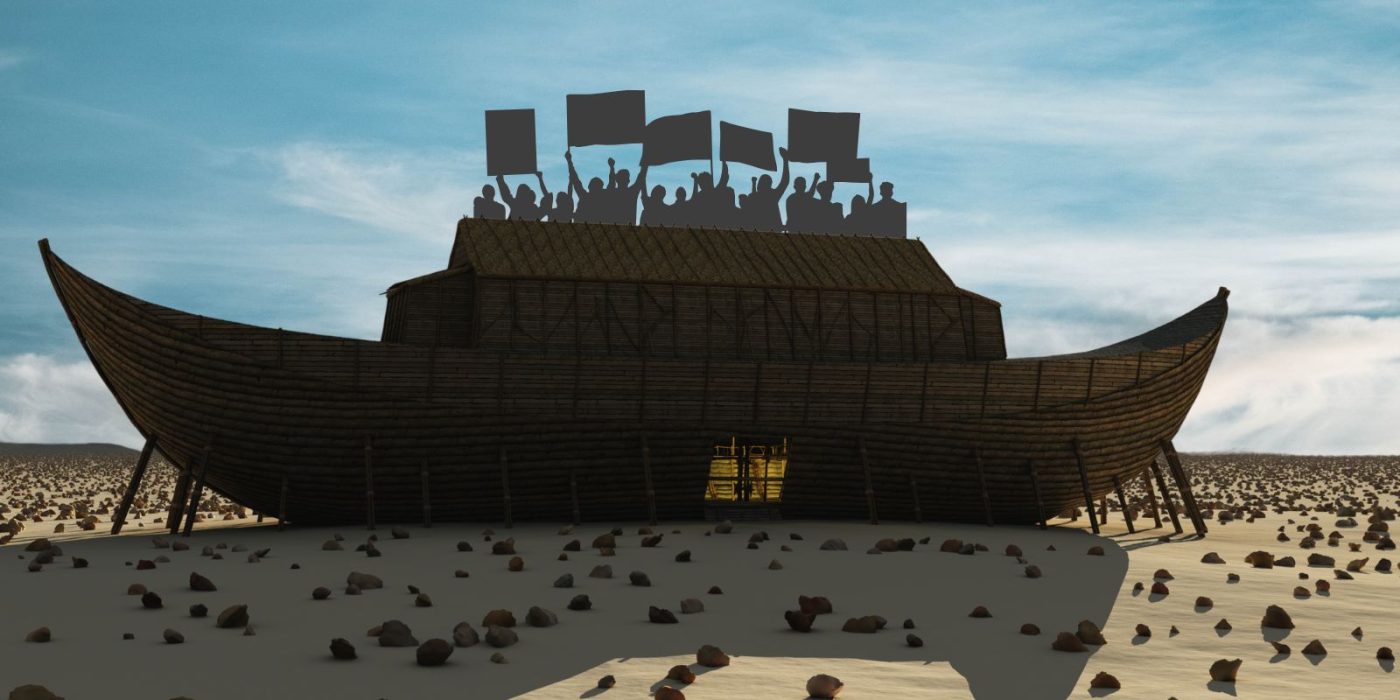
On Activism – Between Noah and Abraham

By Ronen Koehler
 
Sometimes I think how easy it was to be comfortable. To be righteous in your own skin, to watch society be destroyed, to build an ark, to shut yourself away, to survive the storm – and wait for it to pass, but it really will pass (so that we don't even get our feet wet when we get off the ship).
 

But I'm not comfortable. And I don't want to be.

The story of Noah tells of a society that fell apart from within. “And the earth was corrupt before God, and the earth was filled with violence” – an ancient phrase that sometimes feels as if it were written for our day. It was not personal religious sin that destroyed that world, but corruption, violence, and the loss of mutual responsibility. And Noah, the righteous man who builds an ark, saves himself, but does not try to save his generation.

I see this as one of the great lessons of this affair: survival alone is not a mission.
There comes a moment when you have to step out of the box – out of comfort, out of fear, out of silence – and start rebuilding. You have to take risks in those moments. Not send out crows or doves all the time to make sure everything is safe out there.


And after the flood, a different humanity is born, no longer uniform, speaking different languages. The Tower of Babel falls because humans try to impose uniformity instead of discovering the beauty of diversity. It is precisely this plurality – of opinions, of beliefs, of cultures – that can truly save us. Only then does the new call sound: “Go, go.”.
In my opinion, this is the moment when responsibility is born.


Avraham is the first activist – a person who doesn't wait for operating instructions and is content with a general "go, go." He walks, argues, acts, believes that it can be fixed.

From the seemingly safe ark and the passive Noah, to the unknown path and Abraham the activist, this is the transition that each of us is called to today.
Not to be saved but to save, and not to protect ourselves and lock ourselves in a box, but to build a more just and better world together.


Picture of רונן קלר

Ronen Koehler

Ronen Keller is an organizational consultant, social activist, one of the leaders of "Brothers in Arms," and chairman of an Israeli activist center.

The Israeli Sukkah Photo Gallery

Bereshit

Words for Shabbat - A community blog for this week's parashah

Bereshit


Bereshit

By Dr. Esti Doron
 
I have debated a lot about what to write about in the Book of Genesis. A chapter that contains five stories (the creation of the world, the creation of Adam and Eve, the Garden of Eden, Cain and Abel, and the association of angels with the daughters of man) on each of which, individually, one could write entire pages, and each story evokes different emotions, countless questions and interpretations. Dozens of paintings have been painted about each of the stories, most of which came mainly from Christian culture, and many poems have been written, both in world culture and in contemporary Israeli culture. 
 

I decided to share a few points I've been thinking about, which are very relevant to these days.


1. Parashat Bereishit begins the Torah reading cycle immediately after the conclusion of the last parasha in the Pentateuch. The parasha is adjacent to the end of the month of Selichot and the High Holy Days, Rosh Hashanah, the Ten Days of Repentance, and Yom Kippur. There is a connection between the processes of repentance, atonement, and correction and the beginning from Genesis. And what is the beginning from Genesis? To remember that we were created in the image of God, that we received the world to serve and preserve, and that we must correct everything that needs correction in the world. This connects to the last two years in particular, with our desire to rebuild Israeli society, to rise from the great rift of the October 7 massacre, and to begin building a more just and equitable society here.
 
2. The Torah emphasizes that it is not good for man to be alone. The creation of woman alleviates man's loneliness. And the LORD God said, It is not good that the man should be alone; I will make him a helper suitable for him.: But not only a woman helps loneliness, but a community, a sense of togetherness. We live in a time when loneliness is more present than ever, and psychologists claim that loneliness is the silent plague of our century. (The reasons that led to this are not new; the breakdown of the clan structure and the breakdown of communities, the breakdown of the ancient family structure and the introduction of technology). Another place where loneliness could be present is in the struggle of the families of the kidnapped. One of the reasons I make sure to participate in the demonstrations in "Kachar Hatofim" is related to this fact. "You are not alone! We are with you" I shout at the top of my voice every Saturday. You are not alone. There is a community around you. People see you! We strengthen you. We are the "help" against you!
 
3. The story of Cain and Abel is the story of the first murder in the Bible. And not just any murder – but a murder within the family between two brothers. The Torah does not specify the reasons for the murder. And Cain said to his brother Abel, and they were in the field; and Cain rose up against his brother Abel and killed him. This story is supposed to be a warning sign of what can happen when brothers are jealous and do not get along with each other. But suddenly I feel that it also normalizes the fact that such a murder can happen. And if between brothers it is normative, how much more so between people of the same nation, who are currently in a deep polarization and the extremization of all emotions and hatreds. How do we turn this sign of Cain, this warning, into the greatest threat to the integrity of our society? About our ability not to reach a civil war?
 
4. We must strive to be moral. We were created "in the image of God." The strange story of the connection between the sons of God and the daughters of man proves how difficult it is to work on our virtues, to be moral all the time, to forget about the impulses of greed, envy, revenge, and competition. Even the angels sin. So we as humans are all the more so. This connects me to a place that emphasizes the Judaism of kindness and the Judaism between man and his neighbor. This connects me to the Psalm of Psalms 34:13-15. Who is the man who desires life? His tongue is created from evil and his lips speak deceit, he turns away from evil and does good, seeks peace and pursues it. In my opinion, this is true Judaism. Judaism between man and his neighbor. Judaism that emphasizes the values of morality and kindness. This is the Judaism that I choose. 
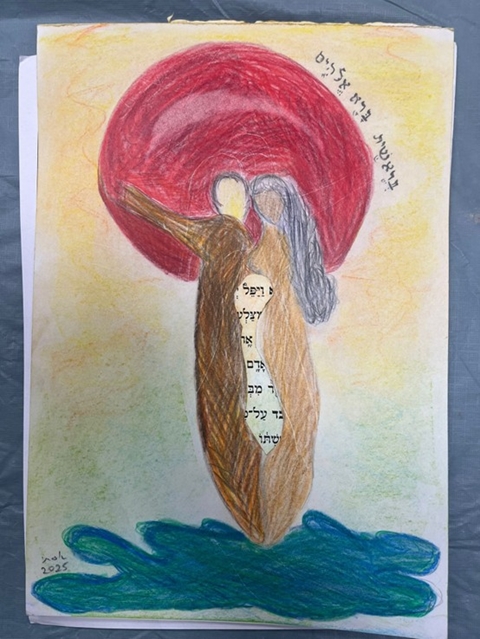
5. From France, a painting of mine, which began from observing a tree trunk, where I found an embracing "couple" among the roots. From the tree's roots developed an entire creation of man and woman, earth and sky, and verses from the book of Genesis. I am not a painter, but it is interesting that this creation was born during the month of Elul and before Rosh Hashanah. 
6. The return of the twenty living abductees on Monday, the eve of Simchat Torah 5775, symbolizes to me more than anything the cyclicality and circularity of our lives. On the eve of Simchat Torah 5774, it all began, and on the eve of Simchat Torah 5775, one chapter related to the living abductees ended. And this morning in the synagogue, we joyfully read the book of Genesis. Most of all, the lines resonate with me: "To rise tomorrow morning, with a new song in my heart, to sing it with strength, to sing it with pain, to hear flutes in the free spirit and to begin from the beginning." Let us hope that we too, as a nation, will rise, grow, and begin our great correction as a society, we will begin from the beginning.
Picture of ד"ר אסתי דורון

Dr. Esti Doron

Esti Doron is a Doctor of Education and is involved in teacher training, evaluating educational projects, and fostering educational leadership. She is married, a mother of 3, and a loving grandmother to a grandson.

Weekly Torah Portion

Words for Shabbat - A community blog for this week's parashah

Weekly Torah Blog

Words for Shabbat

""Turn it over and turn it over, be absorbed in it" is what is said about the Torah: Study the Torah from all sides, because each time a different and new aspect and interpretation of the Torah can be revealed. This year we are renewing ourselves with a new section in the newsletter: "Words for Shabbat" - each week we will publish in the newsletter and on the Beit Tefilla website a Torah passage - a few words about the week's parashat from one of the community members and Beit Tefilla staff. And just as their faces are different, so are their opinions - we will wait to read the personal interpretation and learn what the encounter with the parashat brings up in them.

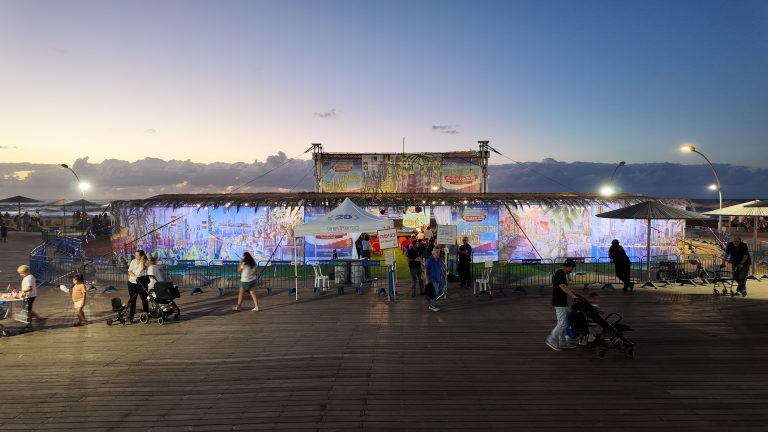
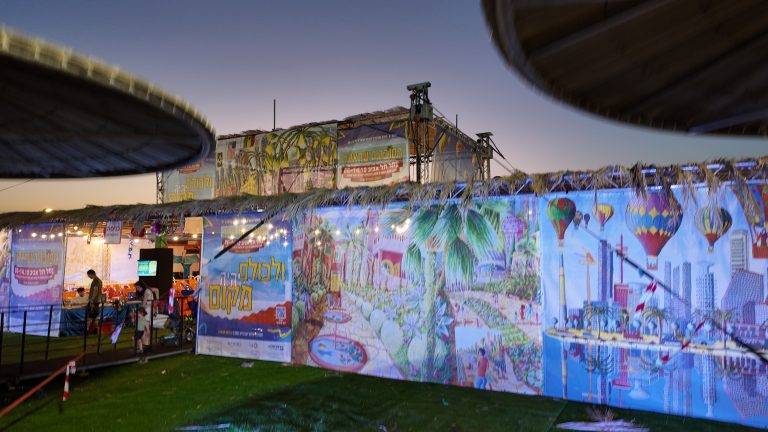
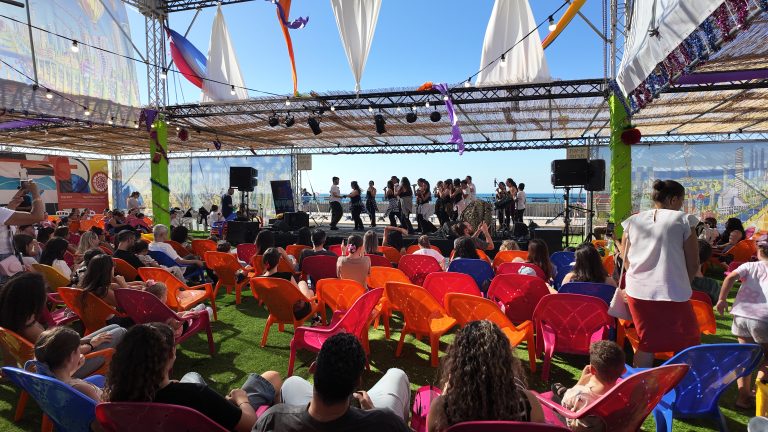
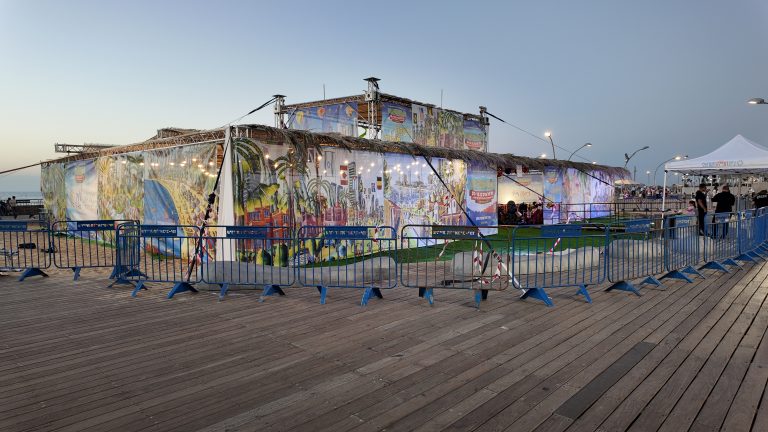
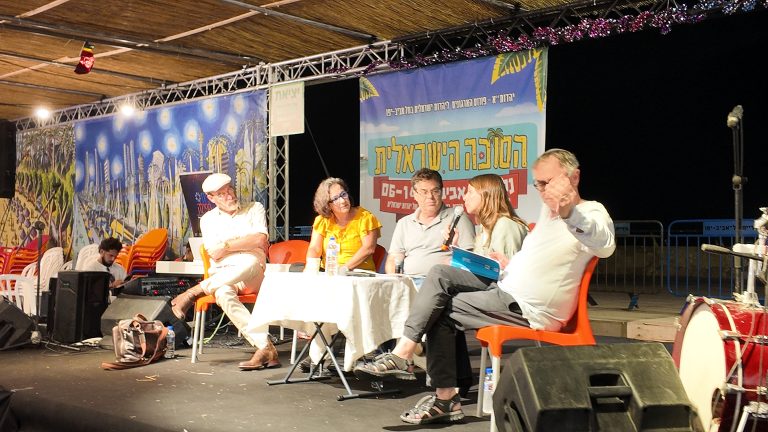
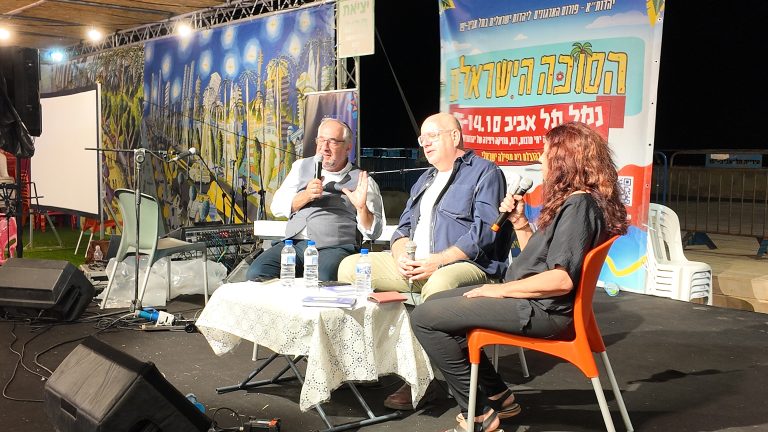
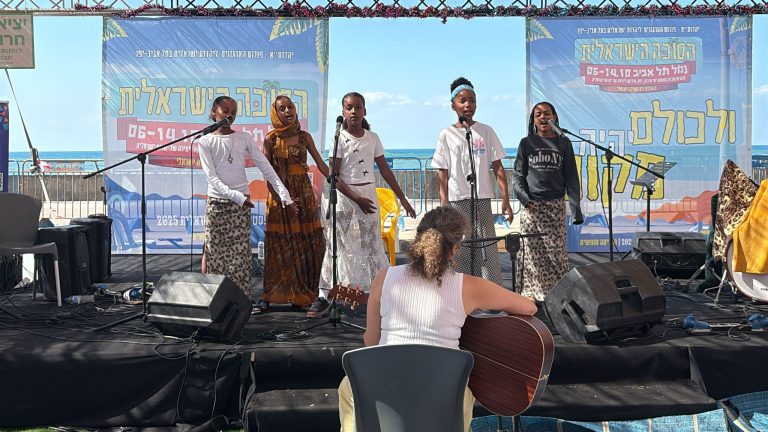
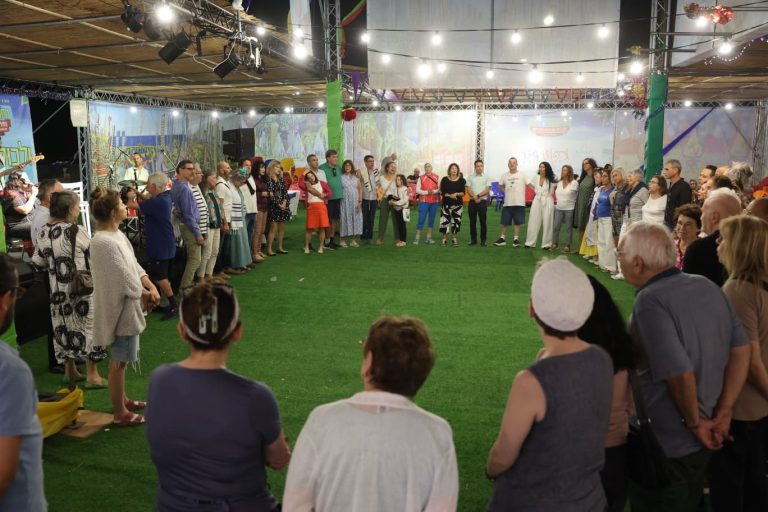
The Israeli Sukkah – a giant sukkah at the Tel Aviv Port

The Israeli Sukkah

Tel Aviv Port 6-14.10.2025

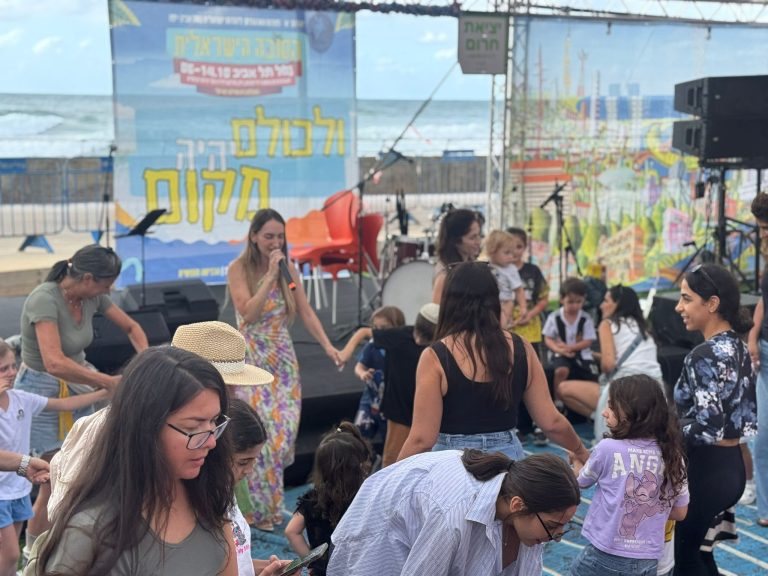
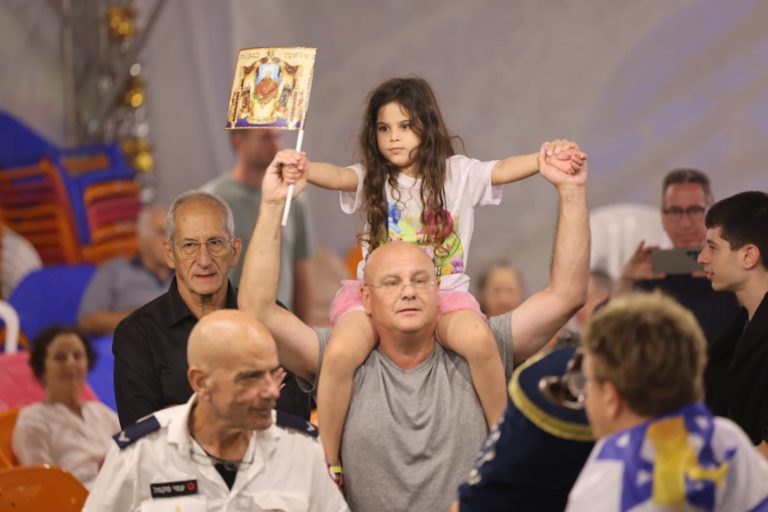
Celebrating Sukkot with nine days of culture, spirit, music and creativity of Israeli Judaism

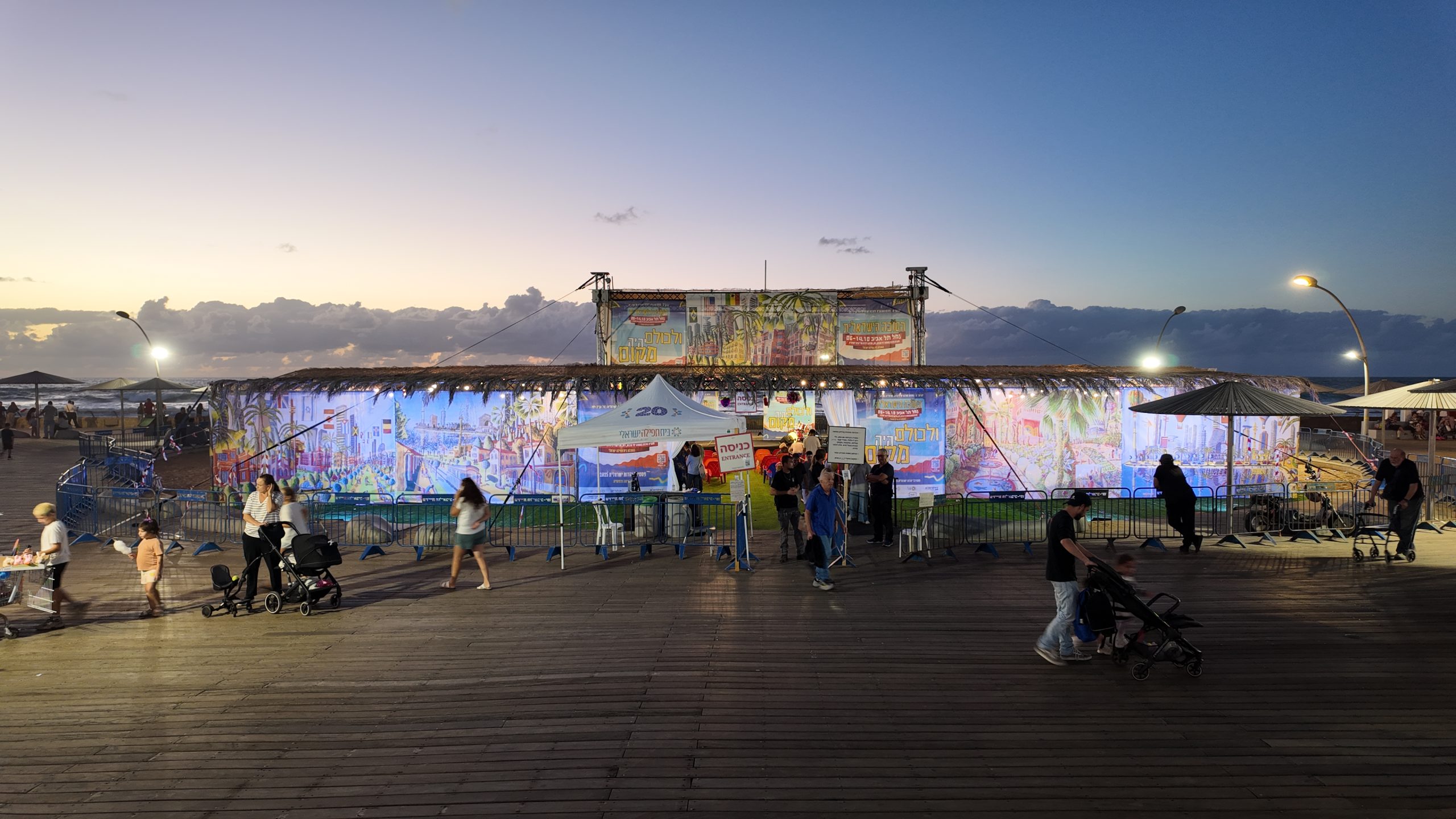
The large Sukkah at the Tel Aviv Port is back!

The Israeli Sukkah

Celebrating Sukkot with nine days of culture, spirit, music and creativity of Israeli Judaism

""And there will be room for everyone""

14-6.10 Tel Aviv Port, Central Deck


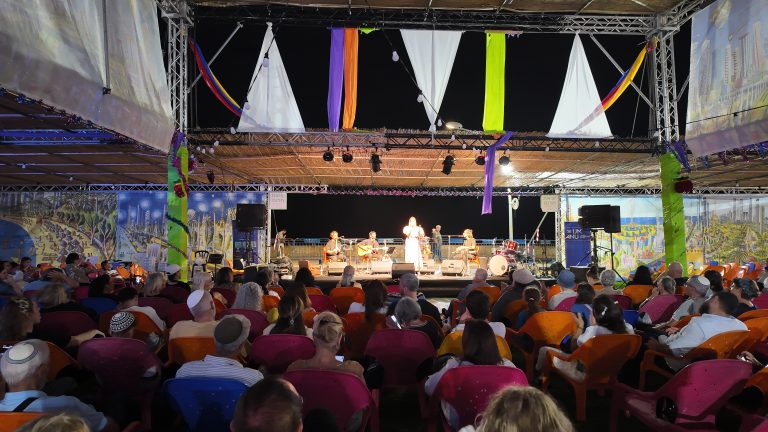
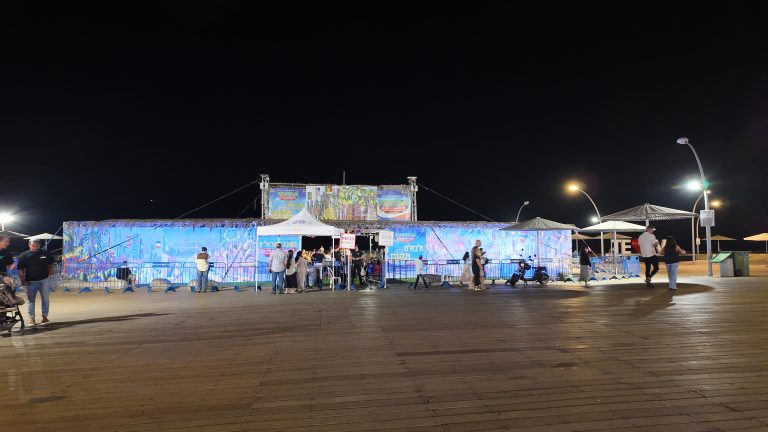
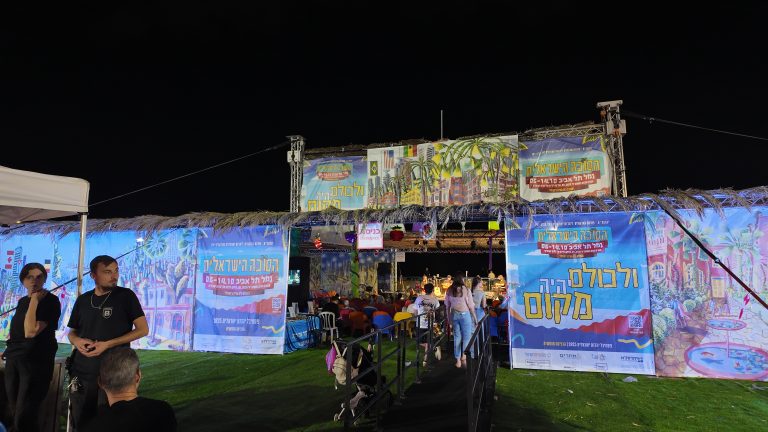
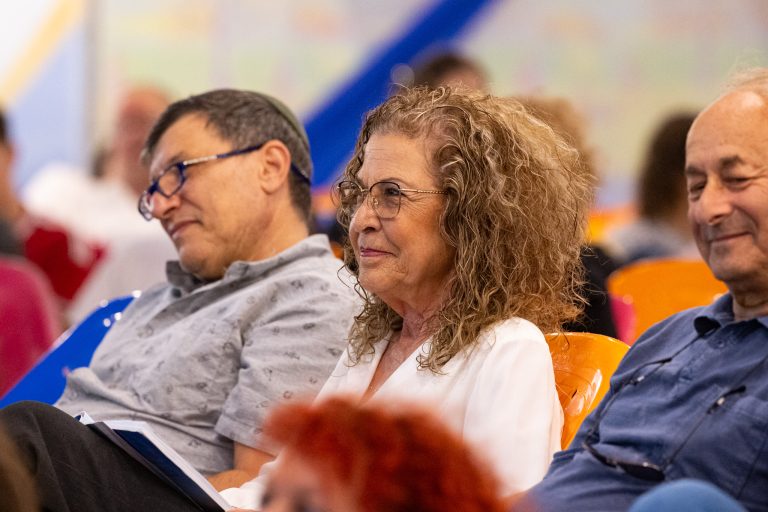
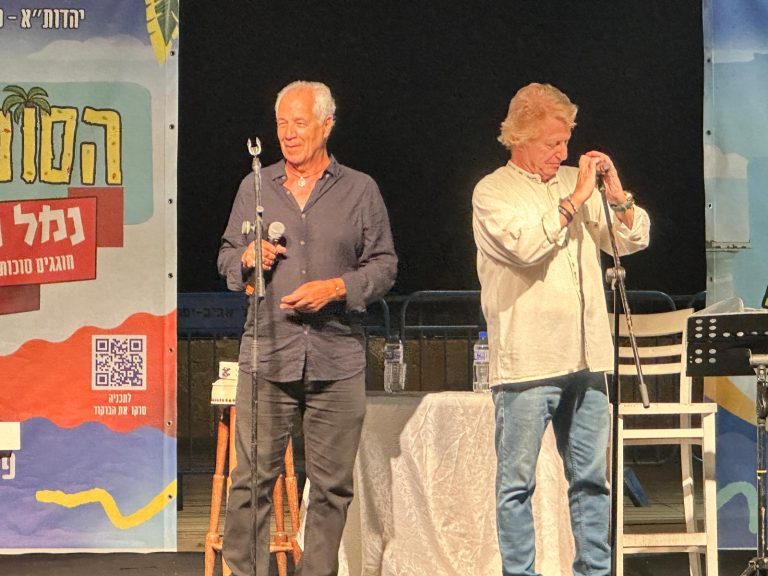
Yahaduta - A forum of Israeli Judaism organizations in Tel Aviv, together with the Tel Aviv-Yafo Municipality, the Tel Aviv Port and Atarim Company, and led by an Beit Tefilah israeli invite the general public to celebrate the holiday with a variety of events and activities in the "Israeli Sukkah" - a giant 600 square meter Sukkah that will be erected on the main deck and will be open to the general public. With the aim of creating an open and collaborative space for Jewish-Israeli creativity.

The Sukkah will open on Sunday, October 6th, with a musical celebration of Sukkot, followed by a holiday meal open to all.

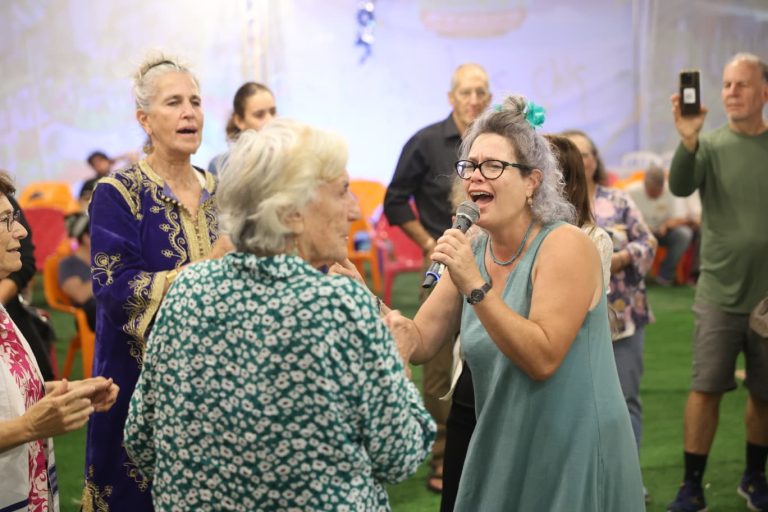
Jewish-Israeli Music Festival in the Great Sukkah at the Port: A tribute show to Matti Caspi, a singing circle with musicians from Sderot, an evening of appreciation and the presentation of the creative award to the artist Leah Shabat, a performance of piyyutim by A song will bloom and her band, Noga's guys – Jazz orchestra with 14 musicians, Shimon Parnas and Matti Sari On a Mediterranean evening, Shabbat pleasure with Israeli House of Prayer Ensemble The host Dorit ReuveniTribute evening toHasidic Singer Festival, ", the song of many""World Song|, A flock of three birds, youth bands and more.

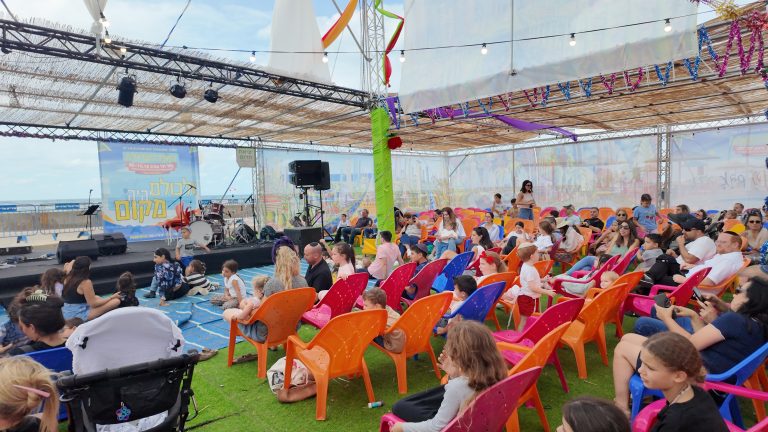
In addition, every day there will be Children's plays, workshops and performances for the whole family From 10:30 this morning until 5:00 p.m. Yoga in the Sukkah Every weekday at 9:30, ""Academy in the Sukkah"" – The best lecturers in history and Jewish studies will give talks on fascinating topics that concern us all.

Beyond that, you will find in the Sukkah a Rabbi discussing Judaism and democracy, the Israeli Sabbath, the Congregation for the Doctrine of the Faith and secularism, with and among the best intellectuals. Dr. Jeremy Fogel, Dov Elbaum, Dr. Ariel Picard, Dr. Tomer Persico, Roni Alon, Rakefet Ginsburg And more.

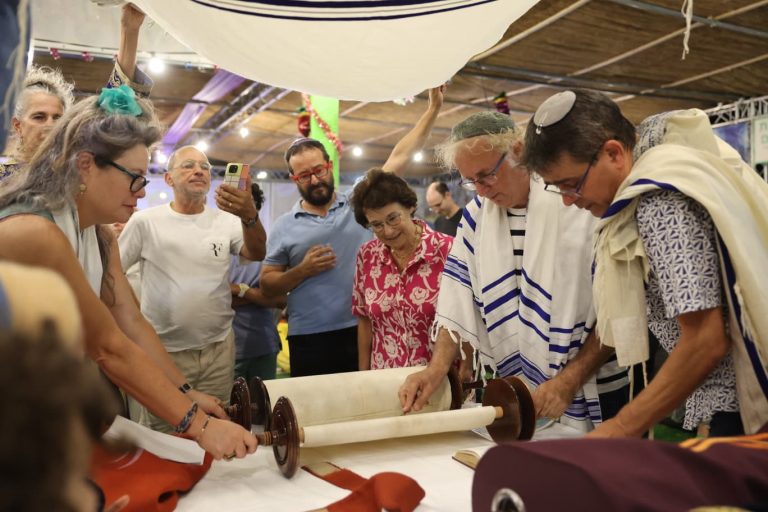
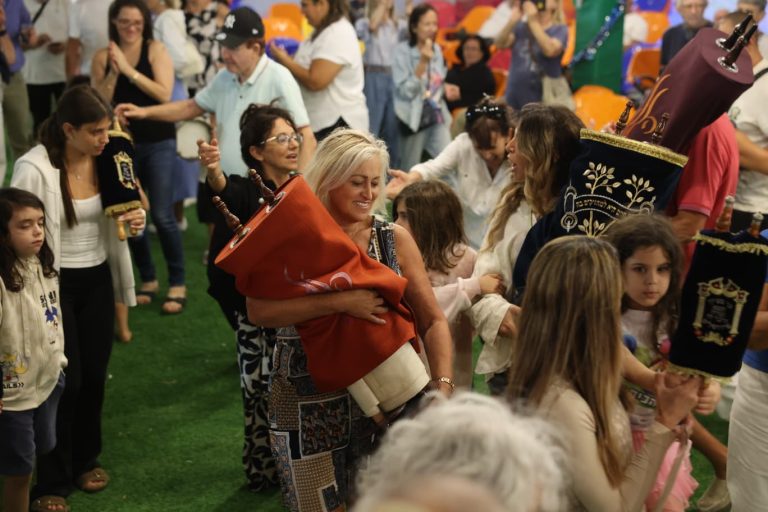
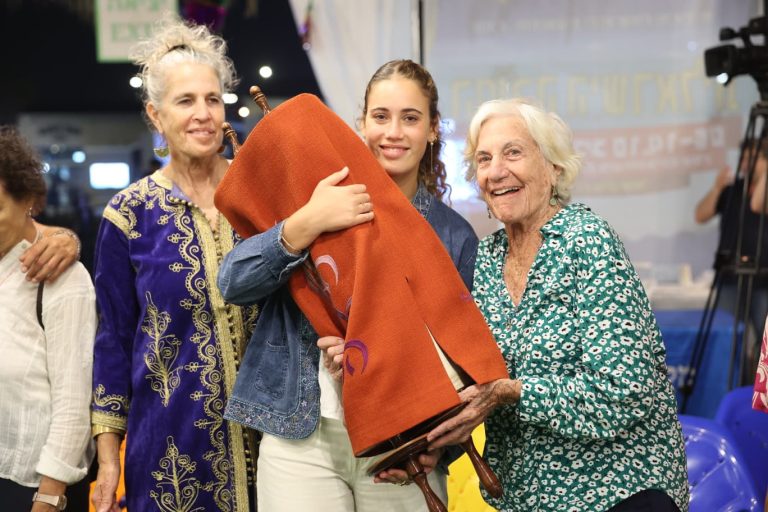
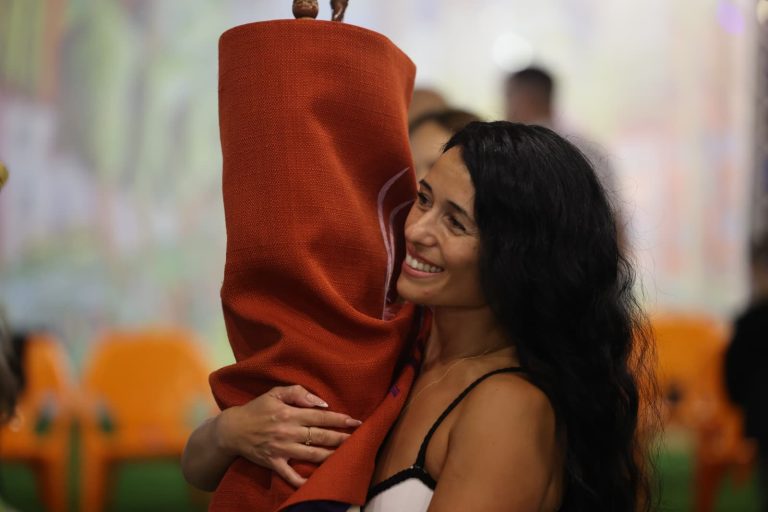
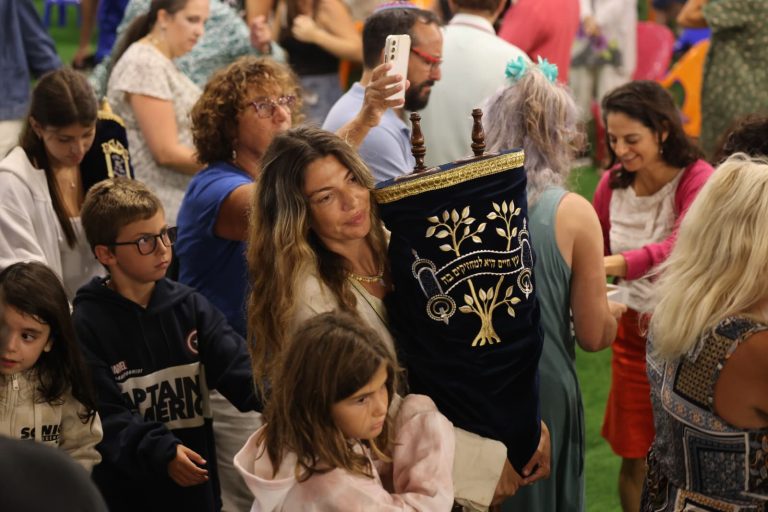
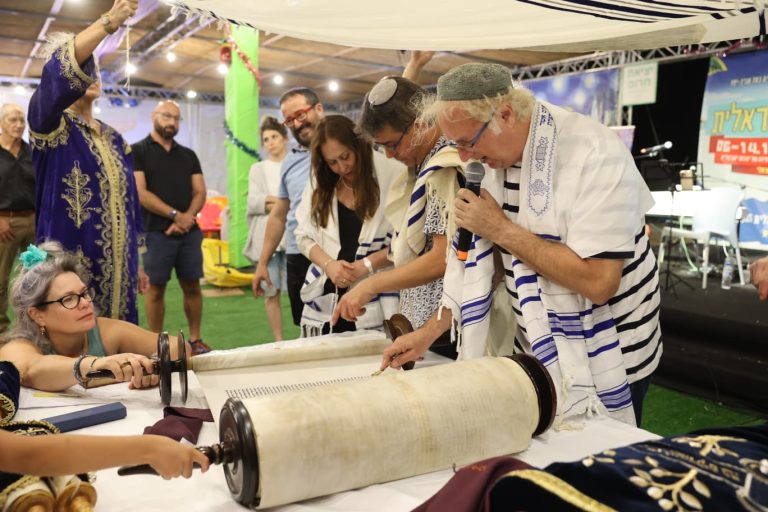
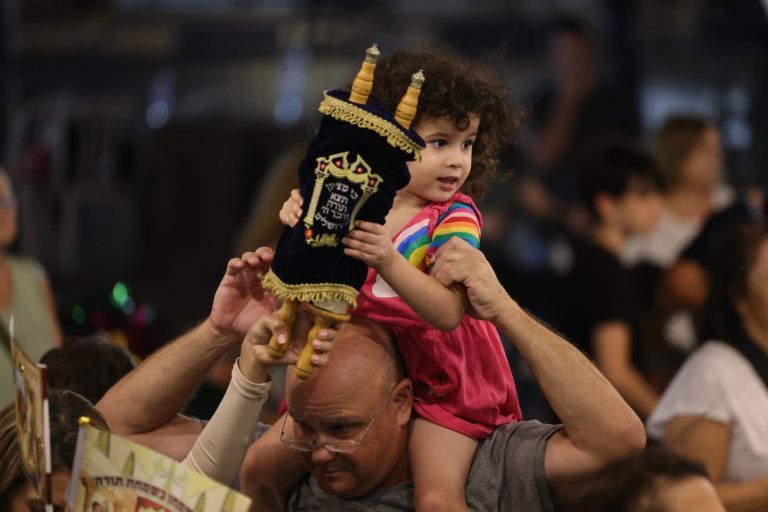
And of course, Equal Simchat Torah laps The happiest in the city!, both on the eve of the holiday (13.10) and on the second laps (14.10).

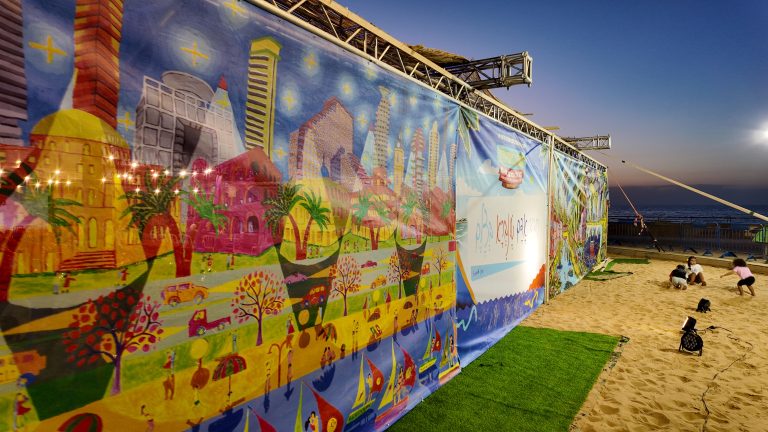
The walls of the sukkah will be decorated with the works of Artist Rafi Peretz, who did a good job of portraying Tel Aviv as an open, colorful, pluralistic, and optimistic city like the Tel Avivians themselves.

According to Noah Efron, a member of the city council, "Tel Aviv-Yafo is a city where Judaism flourishes, where there is room for everyone; where tradition is naturally intertwined with innovation; where creativity is celebrated, and the public square vibrates with music and art; where there are no barriers between ancient and new, between women and men, between straight and LGBT; where each and every one is welcomed and appreciated for who they are. The Yehuda Sukkah is a perfect example of the new Tel Aviv Judaism, which is taking shape before our eyes.".

Yahaduta - Forum of Israeli Jewish Organizations in Tel Aviv, an association of organizations and communities operating in Tel Aviv, including Bina, an Israeli prayer house, Alma, the "Anu" Museum, the Koret Center, the Hadar Institute, Beit Daniel, Bat Kol and a long list of other organizations and communities that have joined together to pour content and meaning into the beautiful autumn holiday!


We are waiting for you in the Israeli Sukkah!

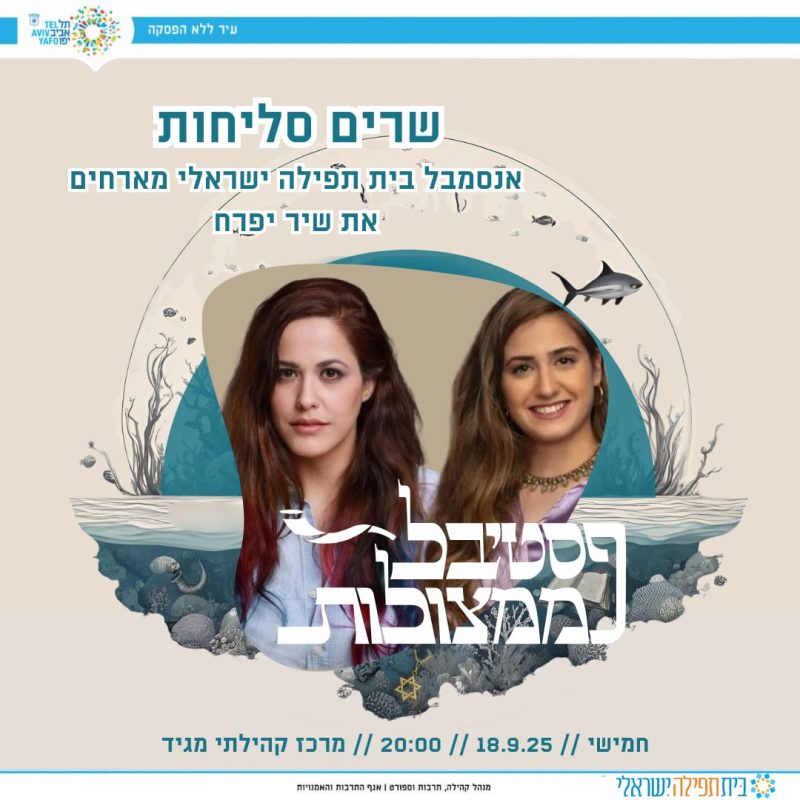
Singing Selichot – An Israeli prayer house hosts Shir Yifrach

Singing prayers

Singing prayers
Israeli house of prayer hosts Shir Yifrach

We invite you to a musical Selichot evening in preparation for the holidays, and this time we will host the bard Shir Yifrach. An evening full of singing, prayer and togetherness, seeking to find solace in the Selichot poems, and in ancient and new melodies. Ancient piyyutim alongside contemporary Tishrei songs. With the ensemble of an Israeli prayer house led by Athaliah Lavie (singing), Esteban Gottfried (singing and conducting), Oral Oshrat (piano), Ziv Greenberg (bass), Amir Israel (oud/violin/singing) and Dor Biran (drums). Guest bard Shir Yifrach.
Please note: The event will take place at the "Magid" Community Center - Nordau 63 Tel Aviv on Thursday, September 18 at 8:00 PM. Admission is free with advance registration. https://btfila.vp4.me/slichot25
WhatsApp Image 2025-09-08 at 16.50.35_1dd8e398

Tradition and innovation in one word

In a delicate and special musical journey, we will combine Jewish tradition and contemporary creation, between the old and the new, between the Jewish and the Israeli, and invite for ourselves the opportunity to open our hearts, listen, process feelings and emotions, reflect, release and forgive – for ourselves and others. The evening will combine traditional piyyutim from the house of Abba / such as: Adon Hasleichot, Achot Katana, El Nura Alila, and contemporary Selichot songs: Selichot, At Talchi Bisade, as well as legends and sages' midrash that correspond with the spirit of the evening.

The musical ensemble of an Israeli prayer house combines traditions from the East and the West, and this time we are proud to host the young bard A song will bloom, which together with Athaliah Lavie, The house singer of an Israeli prayer house and the poet and oud player Amir Israel, Together we manage to create an Israeli Selichot evening, as authentic and up-to-date as possible.

From the show's songs (extended list):

Bless us, the soul is yours, I will gather, let us not ask, the Lord of forgiveness, little sister, forgiveness, it is time to forgive, choose right, answer us, forgiveness, the sounds of silence, return home, our supplications will rise, brokenhearted, our guilt/love, our father is our king, God is a terrible plot, indeed, O Lord, hear your father, open a gate for us, remember us for life, next year, go to me my desire, wings of the wind, Jewish autumn, man, why do you sleep. and more.

With the musical ensemble of an Israeli prayer house led by Rabbi Esteban Gottfried and singer and cantor Athaliah Lavie. There will be more surprises!
 
Join us every week, hundreds of participants, men, women, adults and children, families and also guests from abroad. The events will take place every Friday starting July 4th, at 6:00 PM. It is recommended to arrive early.
 Admission is free, subject to availability. 

Oh what we had – ancient pain meets a broken heart

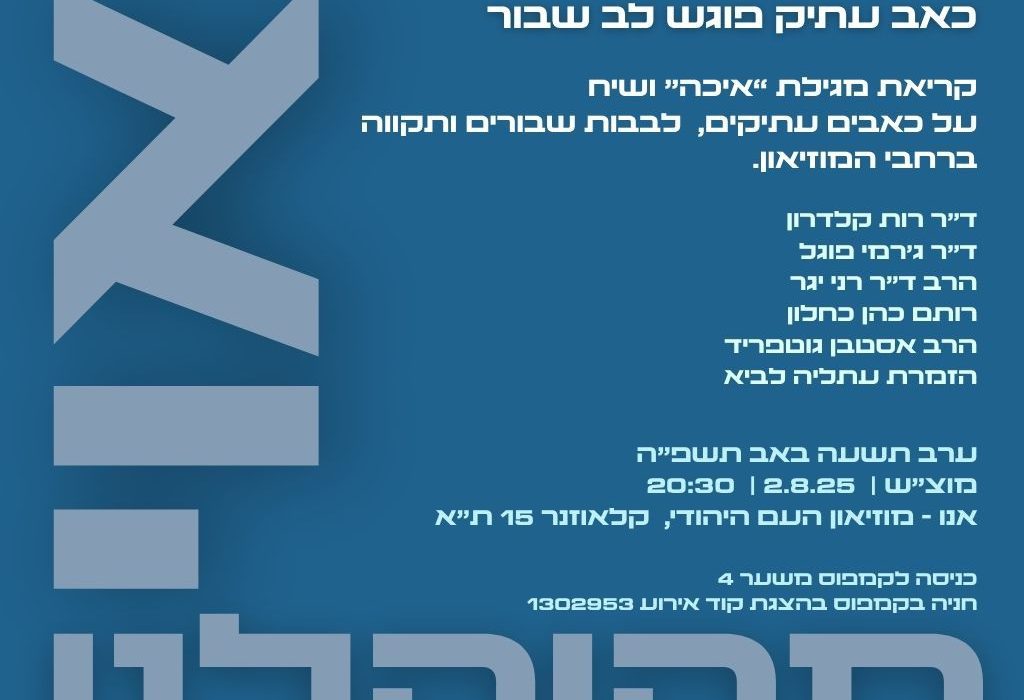
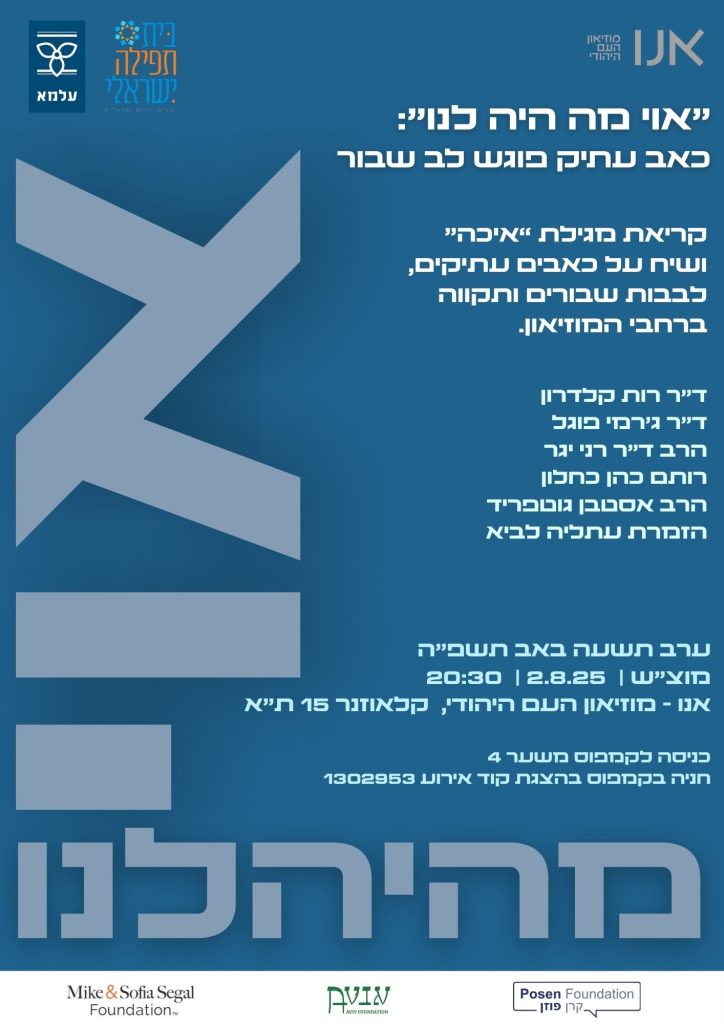
Tisha B'Av - Megillah reading and discussion at the Ano Museum

""Oh, what we had" – Ancient pain meets a broken heart

Reading of the Scroll of Lamentations and discussion about ancient pain, broken hearts, and hope throughout the museum. 

On the eve of Tisha B'Av, the most significant commemoration of the Holocaust in the Hebrew calendar – we want to draw threads of memory, sadness, commemoration, and hope from the history of the Jewish people. 

We chose to hold the Tisha B'Av Eve at the Ano Museum - the Museum of the Jewish People - out of a desire to stay in a space of memory of the past that continues to tell the story of our people, which is constantly renewing itself. 

This is an evening of connection to our history, whose tears are renewed even today. 

The evening will be divided into a visit to 4 exhibitions in the museum, with each exhibition having an observation and a short lesson by one of the evening's speakers - each of the visitors will participate in 2 of the 4 tour-lessons. 

We will conclude the evening with a plenary session to formally summarize and reflect on the evening, laments, and shared singing with the participation of the lecturers, the musicians of the prayer house, and the audience. . 

Tonight's program: 

20:30 – Doors open 

21:00 – Round 1 

21:30 – Round 2 

My Heart is Beating: On Destruction, Responsibility, and Comfort | Chapter 1'

            Dr. Ruth Calderon

            Codex Gallery, 1st floor


            Poetry and creativity in the wake of 7/10 | Chapter 2'

            Rabbi Dr. Rani Yager

            The October Seven Exhibition, 1st Floor


            Why do I need a temple now? | Chapter 3'

            Dr. Jeremy Fogel

            Jewish Travels, 2nd floor


            He who is not angry does not love. | Chapter 4'

            Rotem Cohen Kahlon

            "Hallelujah" Gallery, 1st floor


22:15 Talk and lamentation – About ancient pains, broken hearts and hope

Led by Rabbi Esteban Gottfried and with the participation of Dr. Ruth Calderon, Rabbi Dr. Rani Yager, Dr. Jeremy Fogel and Rotem Cohen Kahlon

Vocals: Athaliah Lavie, Carmel Nitzan. Piano: Moran Maysles

   Bnei Zion Auditorium, entrance floor

23:00 – End of the evening 

The museum will remain open until midnight. 

The entrance  For a symbolic cost of 20 NIS. 

Entrance to campus through Gate 4. Parking on campus upon presentation of event code 1302953. 

To register and pay, click on the link.

Kabbalah together in the shadow of war

Kabbalah together in the shadow of war

Friday 20.6.25 18:00

Musical Shabbat reception on Zoom, Facebook and YouTube

Dear community

This week, given the situation, we will hold our Shabbat reception virtually, and broadcast it on our Facebook and YouTube pages, and also on Zoom.

You are invited to register to receive the links. The Shabbat reception will begin at 6:00 PM. Together, we will forget a little about what is outside and connect to what is inside and to the Shabbat that is above time and these times… 

We send you encouragement and pray for all of us for days of peace, security, and tranquility.

We share in your sorrow – Beit Midrash 5785

We share in your sorrow - Beit Midrash 5785

We share your sorrow.

Thinkers and creators talk about loss, grief, fulfillment, and rebirth

We share your sorrow.

Music and danceThinkers and creators talk about loss, grief, fulfillment, and rebirth

We live within time and try to bear its abysses. The events of the times continue to draw us
Our forces demand that each and every one of us deal with reality to the best of our ability.

This year's Beit Midrash will be a gentle journey into pain and sorrow, into the fear for the future of our shared home together with
The determination to rise and build another layer of life and hope. Learning that looks directly at the difficulties but also asks,
Uncompromisingly, a better horizon!

 
We approach our annual theme from several angles:

Jacob the bereaved father and the collection of stories of Joseph
Laws of Mourning, Mishneh Torah of Maimonides
Lamentation and consolation in the world of prayer and piyyut
From the Storm: On Mourning, Suffering, and the Human Condition, Rabbi Soloveitchik
Glimpses from Hebrew Poetry

Throughout the year, meetings will be held with people who plant hope.

Beit Midrash: Rabbi Dr. Rani Yager
Among the guest lecturers: Dr. Roni Magidov, Prof. Moshe Halbertal, Rachel Korazim, Dr. Omri Shasha, Rabbi Avi Dabush, Dr. Renana Pilzer-Ravitsky
 

Study framework:
The Beit Midrash meets every Monday from 8:15-9:30 PM as a regular study group. (Total 20 meetings)
Most meetings are held on Zoom for the convenience of learners.

Throughout the year, approximately four face-to-face meetings are held, as well as a tour of the participants' study center.
Beginning of studies: Beit Midrash Yiftach (Zoom) on Monday, 24 Cheshon 25.11.24

Price: 1000 NIS – for members of an Israeli house of prayer: 600 NIS

For more information: Rani 050-8828307

1