thanks

thanks!
Looking forward to seeing you soon.

In the meantime, here are some more details about us:

Beit Tefilah Israeli It is a home for communal and creative Israeli Judaism. 
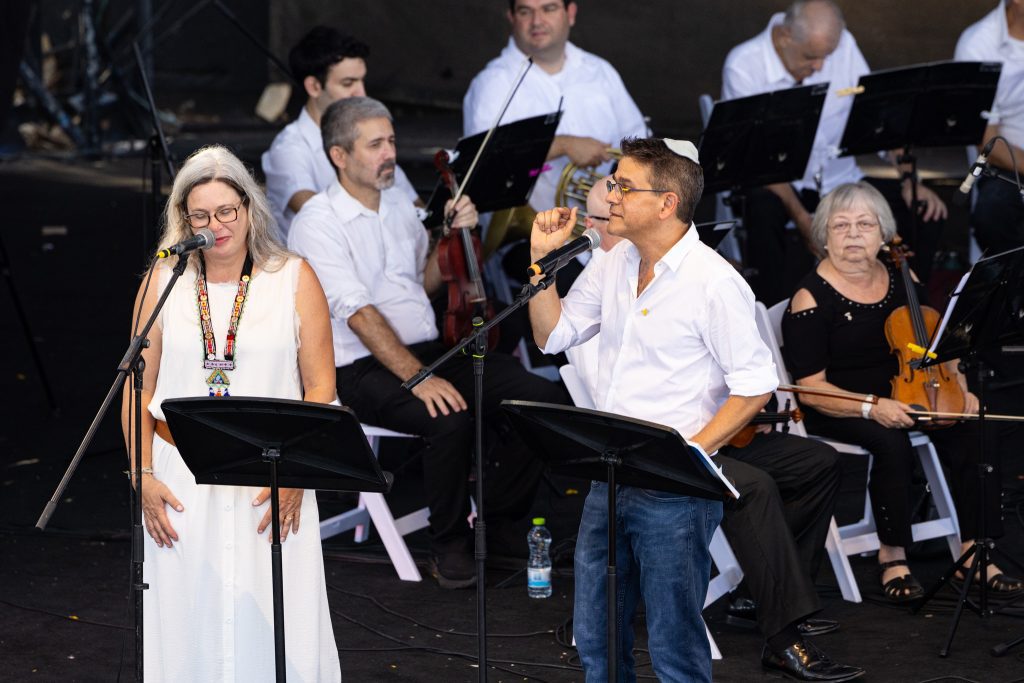
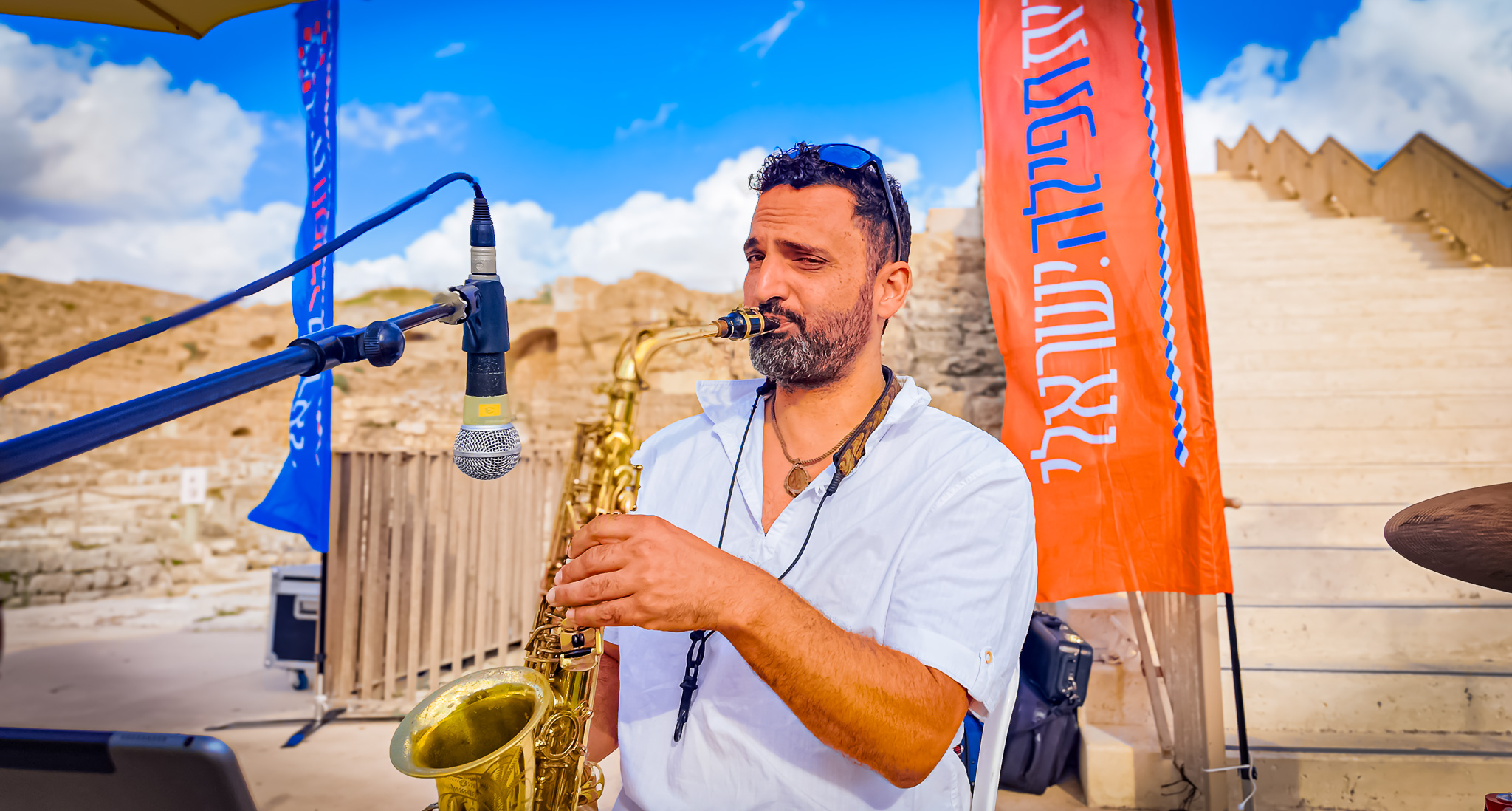
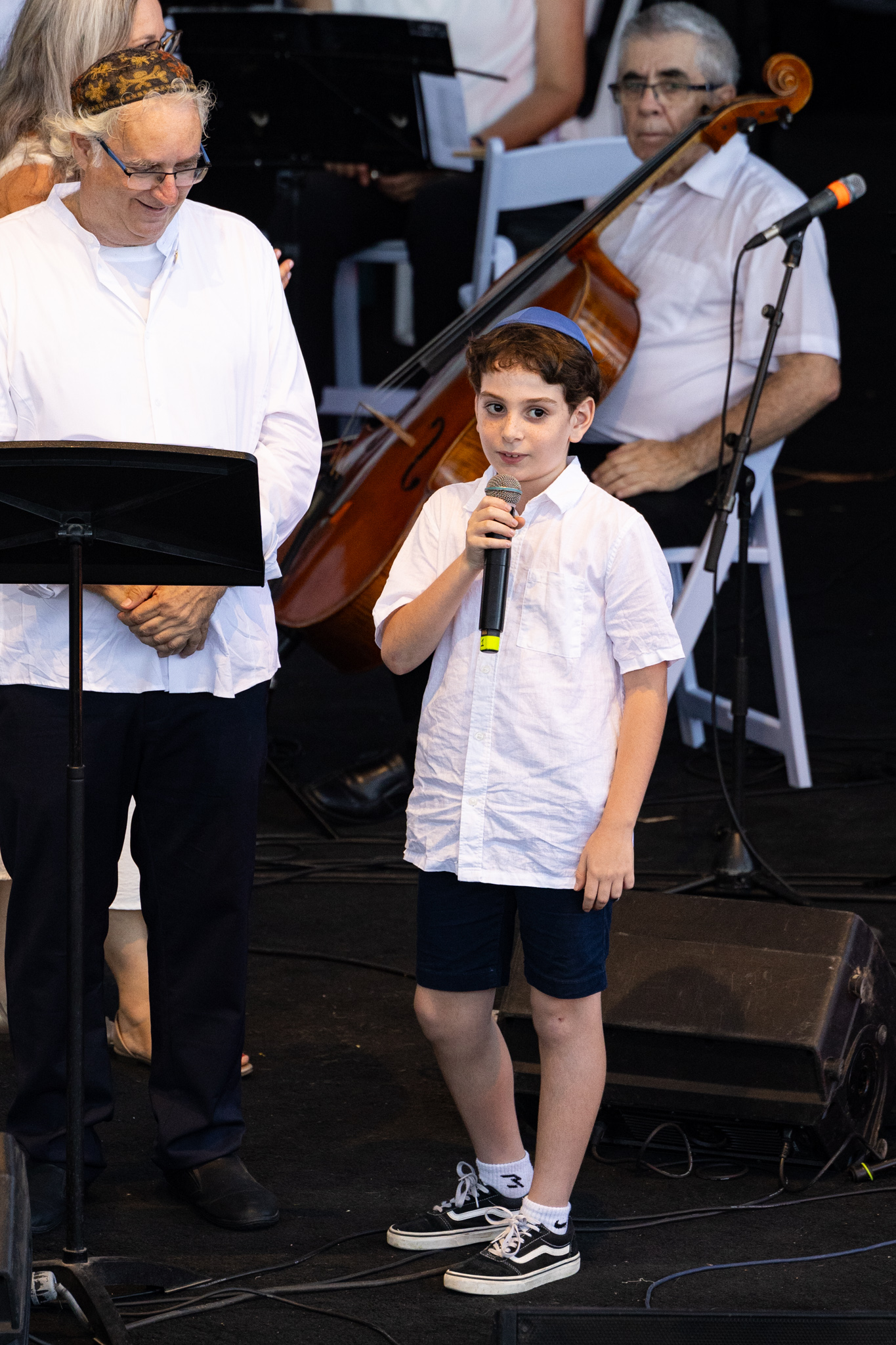
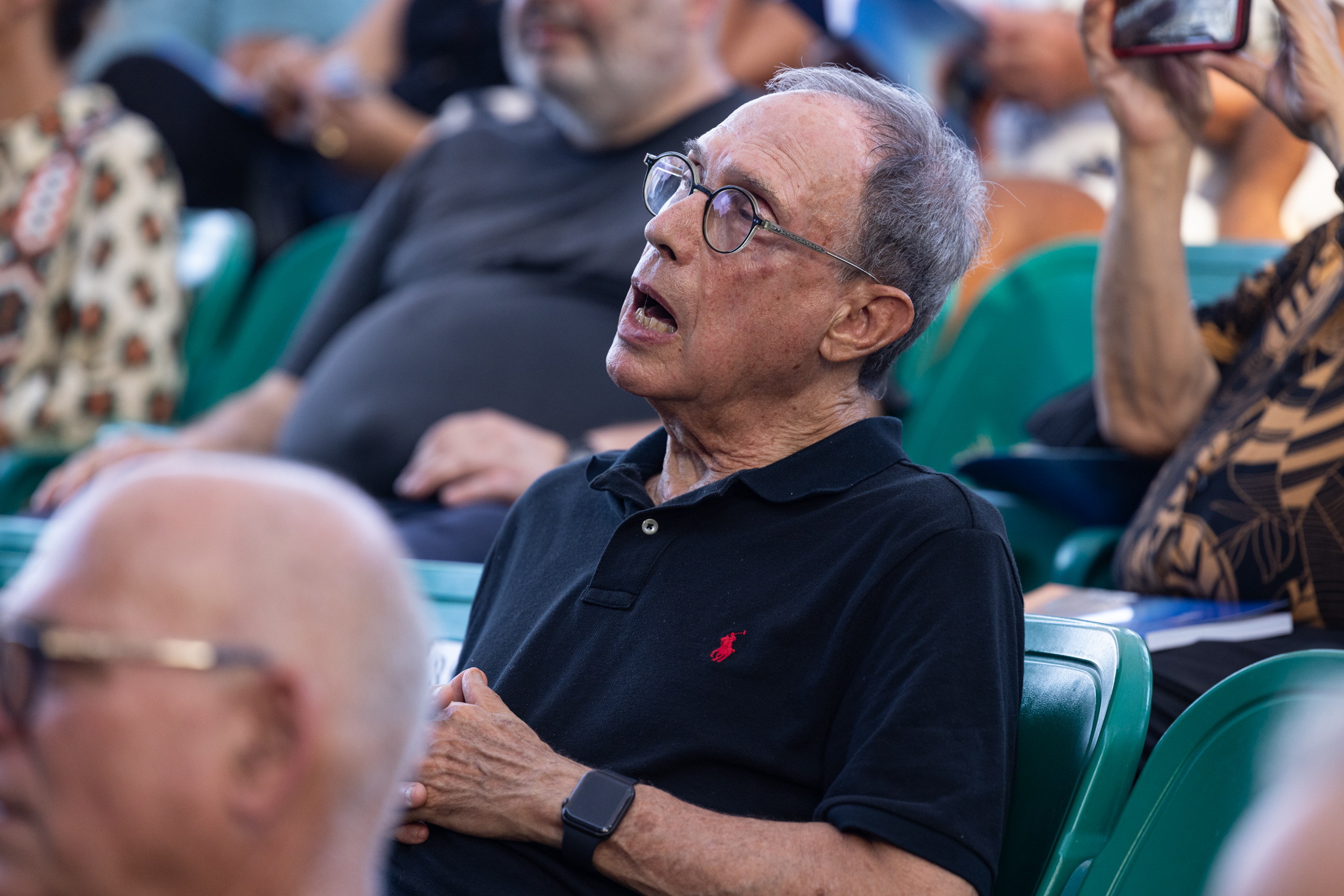
It is a place for Israelis from diverse backgrounds who seek to create a rich and meaningful community life open to all. The prayers and events of the prayer house are musical in nature, led by the community's rabbis, a cantor, and a team of musicians. Our prayer book includes traditional prayers and piyyutim from the sources alongside Israeli songs, prose pieces, and reflections.
 We invite you to join us and take part in our variety of activities.:
 
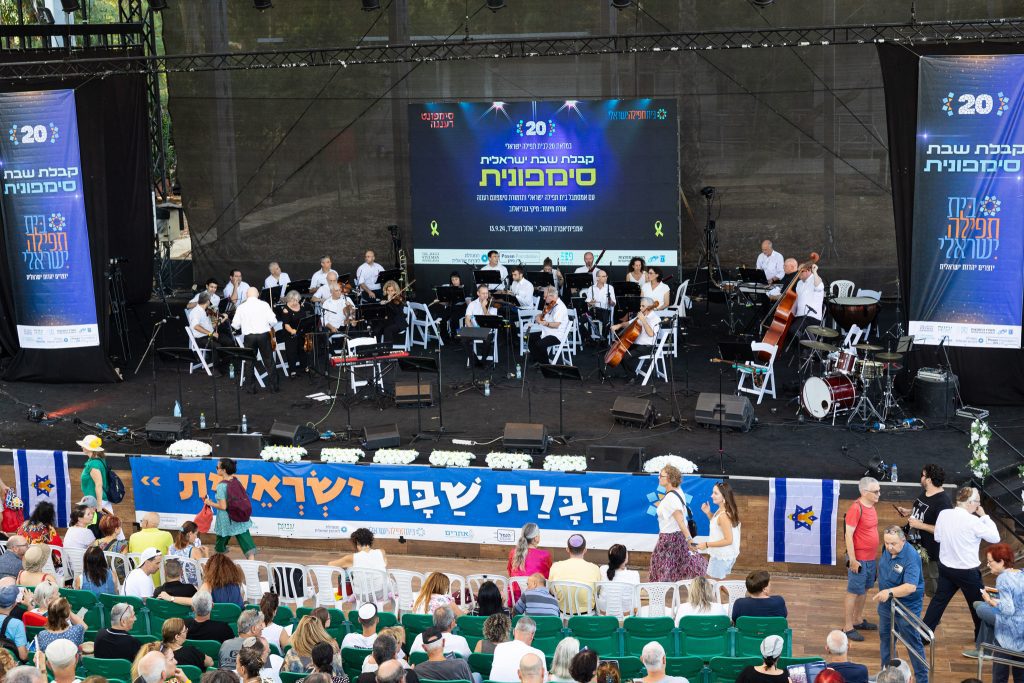
  • Musical Shabbat Keblat at Beit Shalom Aleichem, our permanent residence, once every two weeks
  • A circle of song and discourse for the reception of Shabbat
  • Musical prayers on holidays
  • Weekly Beit Midrash on a changing topic, this year on "Resilience"" 
  • Weekly classes with community members 
  • Teaching, accompanying and conducting Bar/Bat Mitzvah and Circle of Life ceremonies
  • Musical Shabbat receptions and holiday events in the public space 
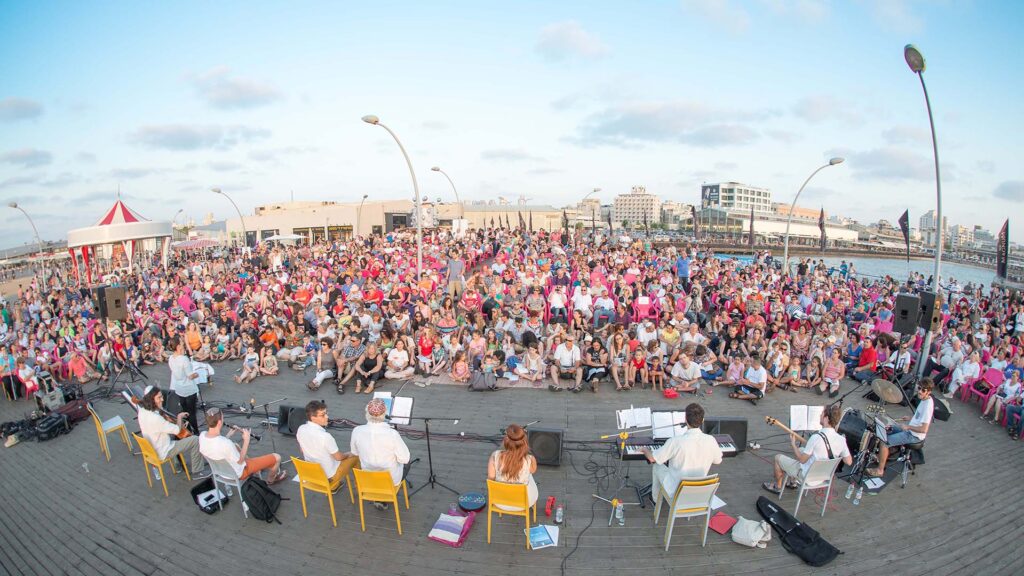
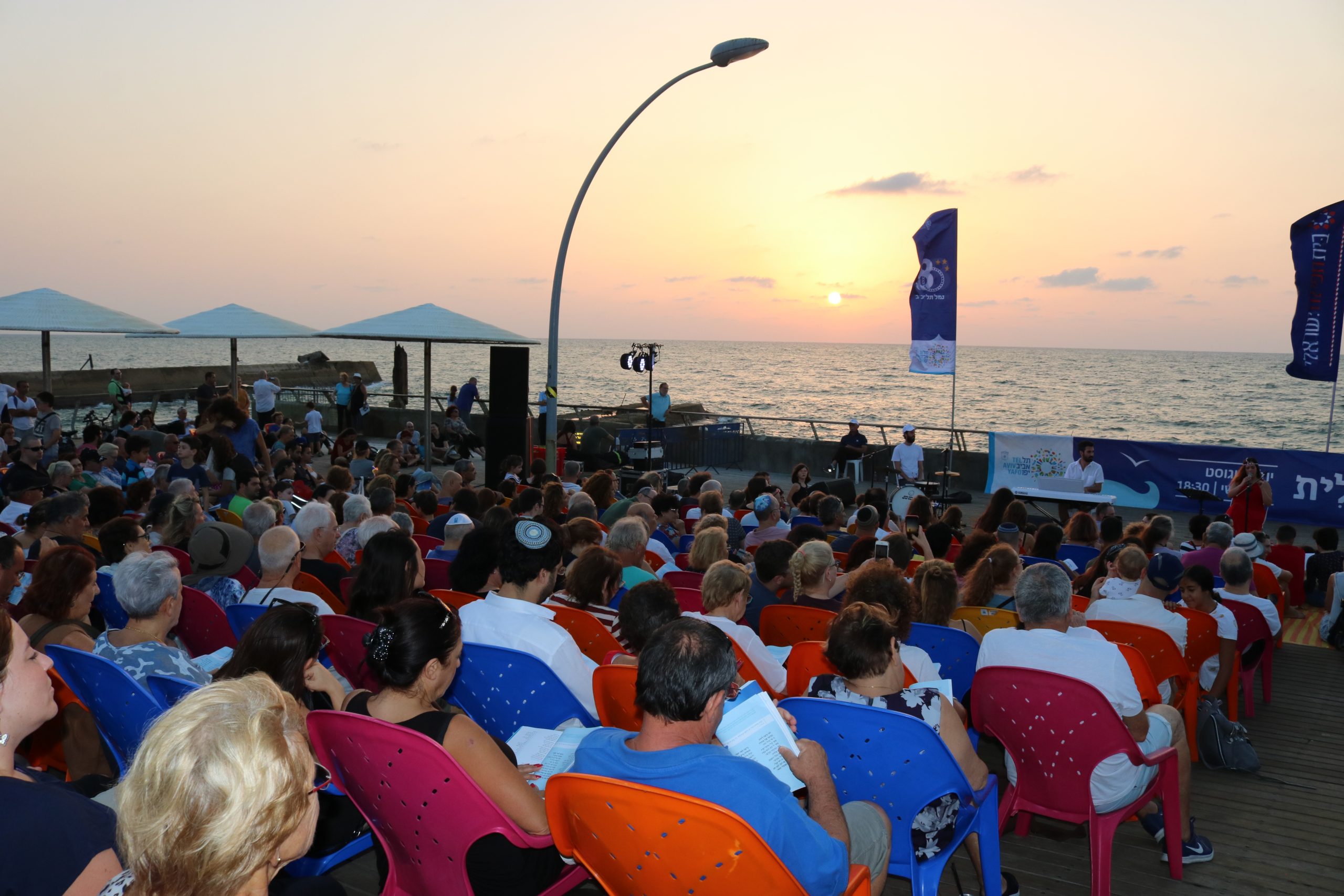
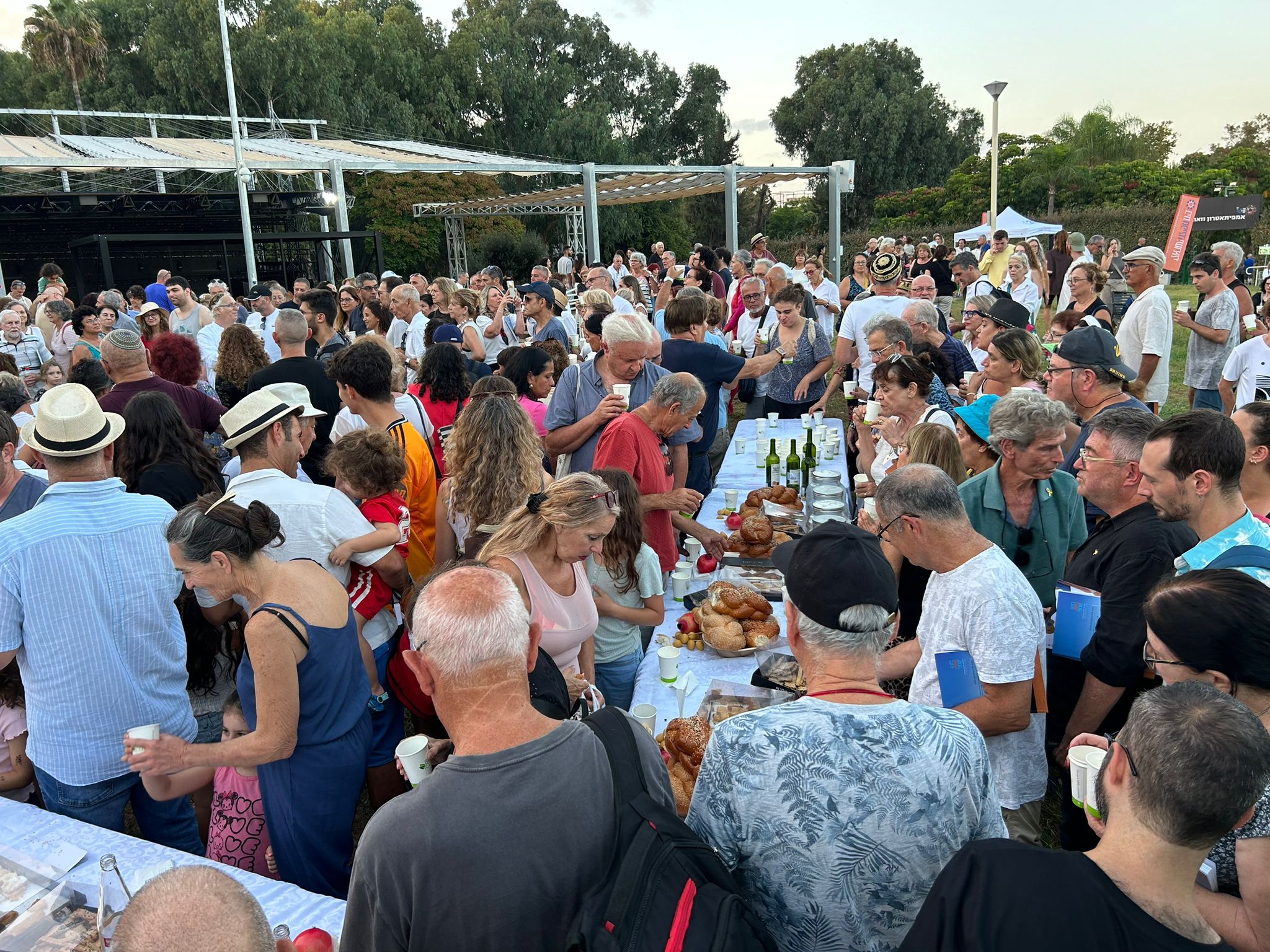
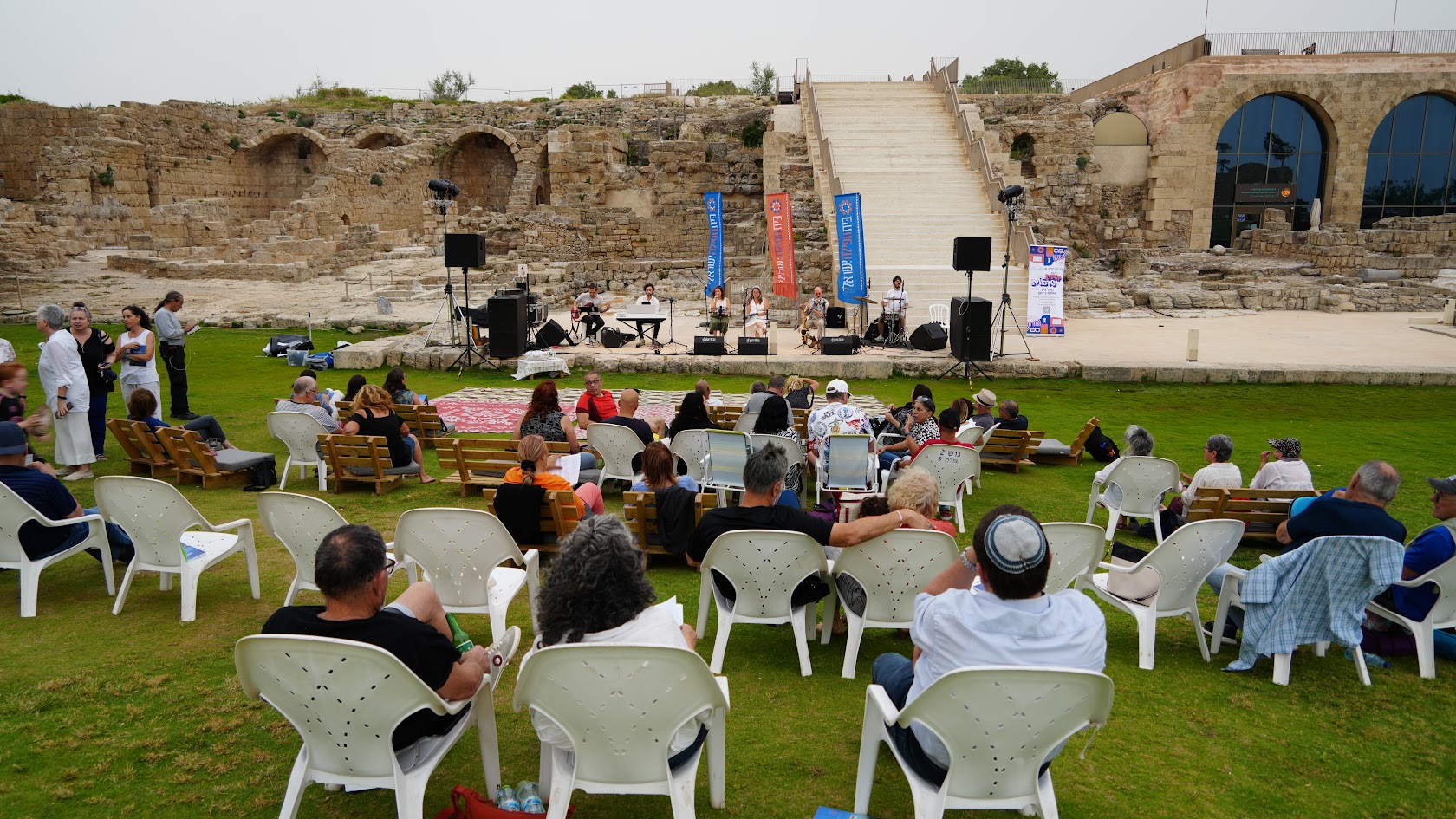
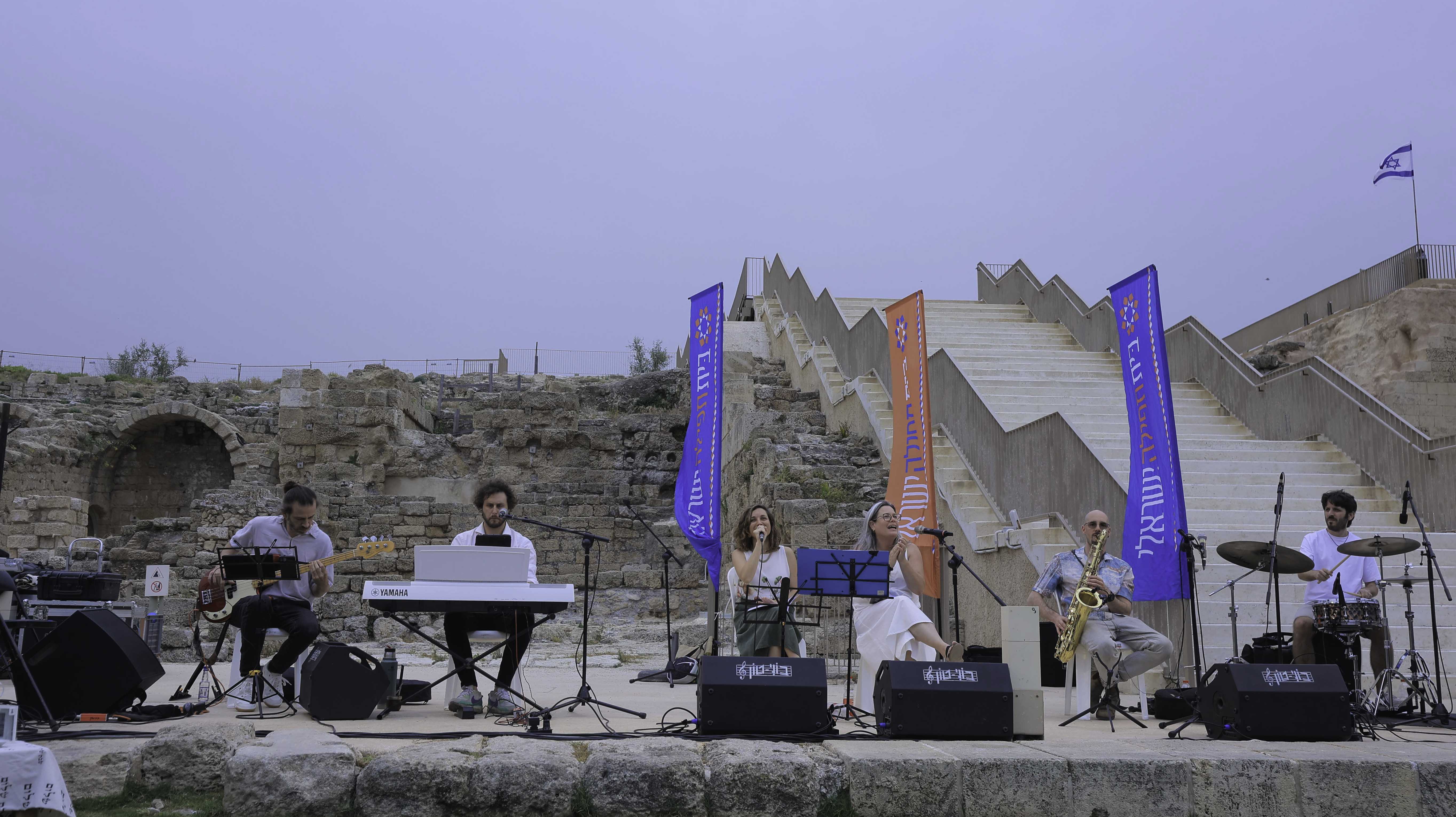
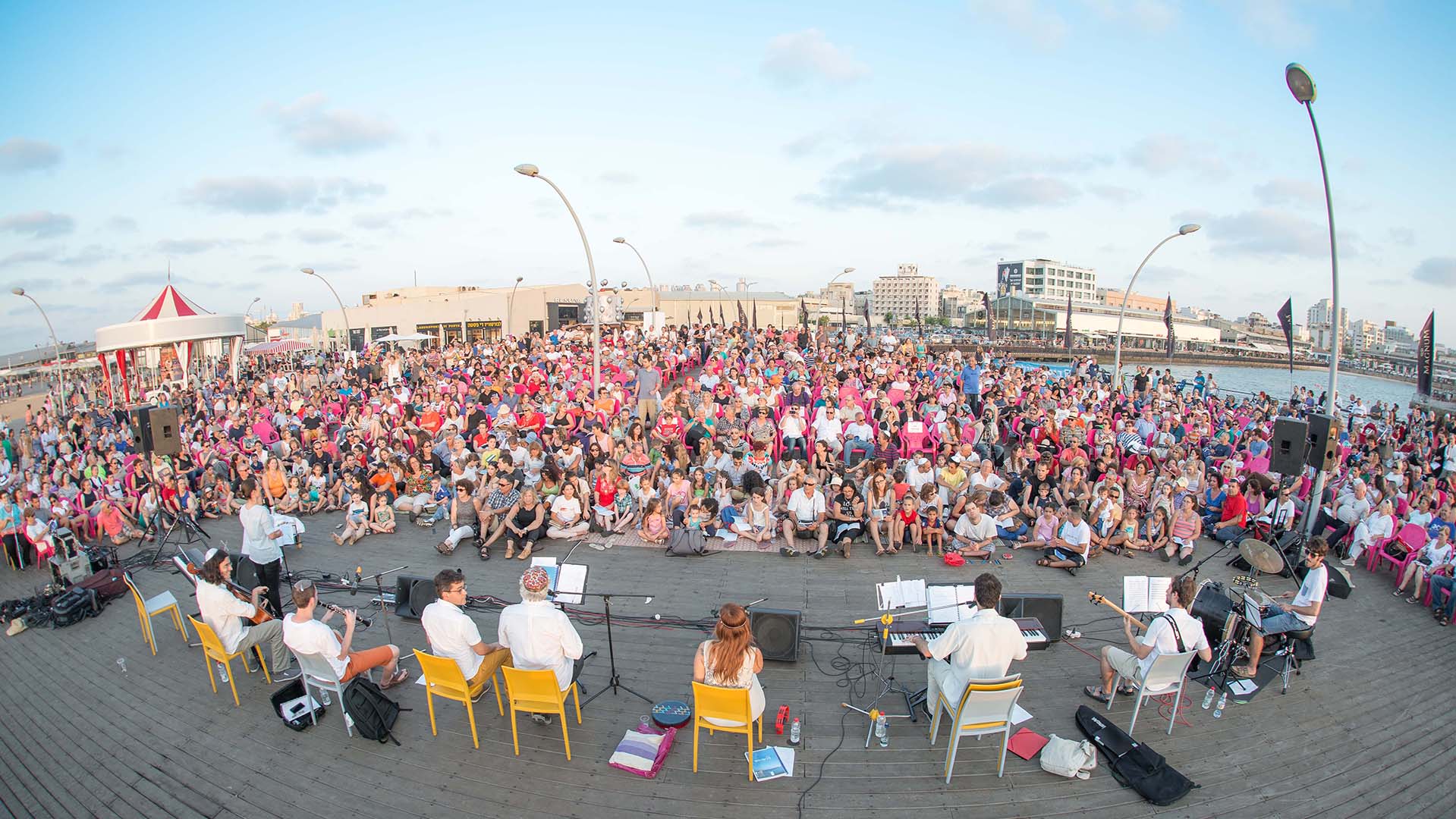
 During the summer months, you can join the large musical Shabbat receptions of an Israeli prayer house at the Tel Aviv Port and other locations in Israel. (Tel Aviv Port, Caesarea Port, Dimona, Givatayim, Rishon LeZion, Hadera)
 You can also follow the calendar of Shabbat and holiday receptions. here 
We send a weekly update to the mailing list about the week's events and activities, usually on Wednesdays or Thursdays.
If it's more convenient for you to receive regular updates on WhatsApp, you can Join our quiet group that only contains announcements about activities or To the community WhatsApp group  Where there is also a dialogue between community members.
For more information and questions, please contact the office at 050-7426241  office@btfila.org
Or to the rabbis of an Israeli house of prayer
Rabbi Esteban Gottfried esteban@btfila.org   054-7763006 
Rabbi Dr. Rani Yager rani@btfila.org
Rabbi Rivi Dror rdror@btfila.org
 
See you soon!
 
Esteban, Rani, Ribi 
and the community relations team of an Israeli house of prayer
 

Our addresses

Prayers, Shabbat kabbalah and events

Offices

Shabbat receptions in the summer

Beit Shalom Aleichem, Berkovich 2, Tel Aviv

Itamar Ben Avi 9, Tel Aviv

Tel Aviv Port, North Deck

Shabbat Matters – Rani Yager on Parashat Vayikra

Deeds for Shabbat - Parshat Leviticus

This week I spoke with a friend, an extraordinary man, who always has something interesting and funny to say. We quickly got to Corona and after asking about each other's well-being and the well-being of our parents (he knows my mother well, who taught him literature in high school...) we got lost in thoughts about the unbelievable situation we are all in now. Then, of all the people in the world, he quoted Sherlock Holmes, who said: "The biggest mistake is to create a theory when you don't have enough information yet," and added on his behalf, "What makes me laugh the most now are people who already know how to interpret all of this so decisively.".

It was a small moment of enlightenment - an external formulation that illuminated an internal truth that had been swirling around without taking shape. And truly - I look in amazement at all those who already know what will happen after and that "everything will change" or that "nothing will change" and so on and so forth. According to all the experts, we in Israel are not even at the peak of the crisis yet, and as someone who went into reserve this week, I saw with my own eyes the traces of confusion on the faces of the soldiers in my medical unit and my fellow commanders trying to do their best in a completely unfamiliar situation. And yet, what does constitute an inner support, a guide of some kind, on days like these? There are, of course, different answers to this too, and I want to offer one here – one that I encountered every week but now has taken on a special meaning for me.

Among the verses of blessing that are traditionally recited on Shabbat evening in preparation for the new week is a quote from Tractate Megillah of the Babylonian Talmud: Rabbi Yochanan said, "Wherever you find the might of God, you find His humility.".

This is written in the Torah, repeated in the Prophets, and repeated in the Scriptures. It is written in the Torah (Deuteronomy 10:17")"" For the Lord your God is God of gods and Lord of lords," and it is written afterwards, "He executes justice for the fatherless and the widow." It is mentioned in the prophets (Isaiah 55:15) ""Thus says the high and lofty One who dwells forever and is holy," etc., and it is written afterwards, "And you who are of a contrite and humble spirit," a triplet in the Scriptures, as it is written (Psalms 68:5"Solo to the rider on the plains, his name is Bi'ah" and it is later written "A father of orphans and a judge of widows" (Tractate Megillah 31)

 The sages, with their talent, created a wonderful meaning within the order of biblical verses: God's greatness is expressed through acts of humility, of kindness, of justice, of lifting up the oppressed and the lowly in spirit.

And if it is so - we: humans - are one and the same.

Here is a great guide, in my opinion, for this hour – an hour that undoubtedly demands greatness. It confronts us with great challenges (each in his own life space), challenges that require us in many ways to be greater than our normal functioning. Paradoxically, the required confinements and isolation actually require an increase in our powers of execution, mind, and spirit. This is true in the private, community, and social space. There is no need to elaborate on the greatness now required of medical professionals, who risk themselves every day for the public.

The beauty of the sages' statement is that they pointed out precisely that the challenge is how to translate greatness with all the energy it contains – into humility: into specific acts of devotion, friendship, and concern. This is not a simple task at all, but the sages equipped us with at least the power of two words, of human qualities, and placed them on the horizon of our intention. They left us to answer the question: How can we make the transformation from greatness to humility and back again? And how can we find the strength to make these transitions in such a confusing situation?. These are some of the biggest questions I ask myself these days, and which we as a community are also striving to answer - with great concern, in an attempt to connect in a time of separation, while remaining in touch in an era of isolation.

Thank you to all those who have already helped us this week - Sigal with a Feldenkrais class, Haim with a class for Passover, to everyone who called a friend, who offered help to someone struggling financially or in some other way. And we must remember - those who help with one hand often need help with the other. We are here – the entire team, all the friends who have already come forward to help and those who will come. Together we will get through this.

Yours with love,

Good Saturday,

Rani

about

About Beit Tefilah Israel (BTI)

Beit Tefilah Israeli
Over 20 years of creating Israeli Judaism

Beit Tefilah Israeli was founded out of a personal need of a small group of activists who sought a way to live a life of spirit and community in Tel Aviv—one that reflects the spirit of the time and place, combining a commitment to tradition with a desire for renewal. From a single experimental Kabbalat Shabbat on June 25, 2004, Beit Tefilah Israeli has grown into a large, creative, vibrant, and inclusive community—becoming a model for Jewish renewal in Israel and a community-based organization offering services to the general public, as well as to Jewish and communal organizations across the country. Over the past two decades, it has established itself as a central force in the field of Jewish renewal in Israel.

BTI was founded by Esteban Gottfried and Rani Jaeger – together with Yoav Rosenberg, Ezri Tarazi and Elisheva Greenbaum (the late). Esteban and Rani lead the community and the organization to this day.

BTI has created a dynamic and pluralistic Jewish-Israeli community in Tel Aviv, celebrating Shabbats, holidays and life rituals together, holding educational events, and committing to social action. The unique approach that combines the old and the new, the Jewish and the Israeli, the momentary and the deep of time, has made it a home for many Israelis who are interested in shaping a meaningful community life for themselves and a central player in the arena of Jewish renewal in the country in general and in Tel Aviv in particular.

The innovation of BTI is the fusion of contemporary Israeli culture and Jewish tradition in creating formats of Jewish practice that are adapted to the Israeli context. The target audience of Beit Tefilah Israeli is the broad and diverse range of Israelis who are located between the old definitions of "religious" and "secular".

Celebrating Shabbat and holidays, study evenings, and workshops of BTI combine traditional prayers alongside new Israeli poetry and music, and thus the cultural product that an Israeli prayer house offers is tailored to the needs of a large public of secular and traditionalists who are interested in taking an active part in creating an Israeli Jewish culture relevant to their lives. Its non-affiliation with any religious stream makes it particularly friendly and accessible to a wide audience. 

The rare combination of liberal Judaism that does not draw its cultural language from models shaped in the Diaspora but seeks to be deeply anchored in the Israeli and Tel Aviv experience enables the deepening of Jewish identity and explains, to a large extent, the fact that Beit Tefilah Israeli has become a magnet for thousands of Israelis who regularly participate in BTI's activities, and some are inspired by its model to establish similar communities throughout the country. 

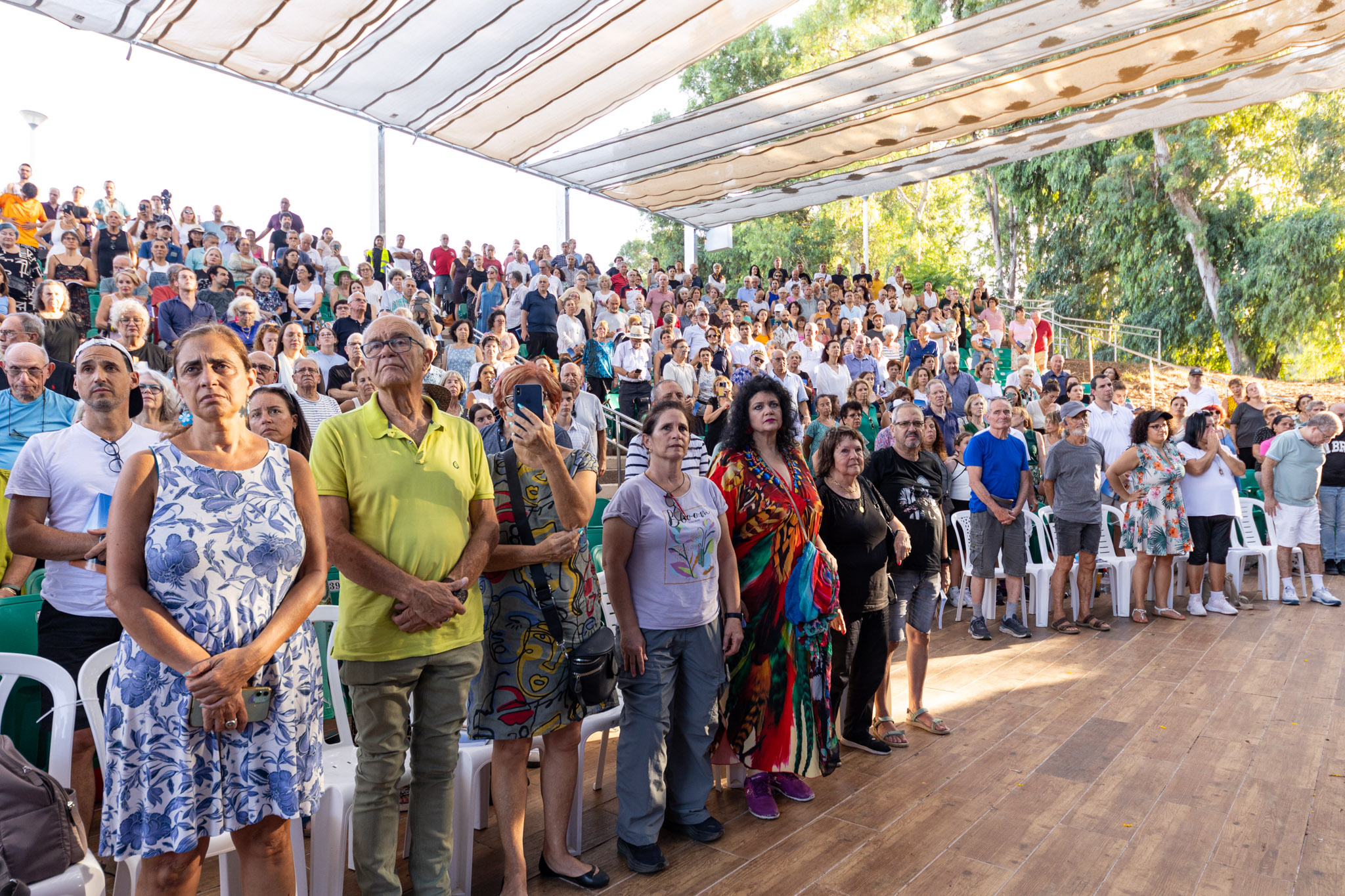
About a thousand people participate in BT's Kabbalot Shabbat every Friday during the summer months at the Tel Aviv Port. Hundreds of people participate in the community's holiday events at central locations in the city such as Tzavta, the American Zionist House, the Ariela Library, and more.

 Every Friday, 70-100 people participate in the Kabbalat Shabbat held by Beit Tefilah Israeli in the heart of Tel Aviv and take part in a vibrant community life that attempts to add something sacred to the mundane, thus creating a space of exploration that is attentive to the voices of the past and committed to the future.

קבלת שבת בית צפילה ישראלי בנמל תל אביב