Parshat Naso, the second parsha in the Book of Numbers, continues the preparations for the dedication ceremony of the Tabernacle.
At the beginning, the sons of the tribe of Levi are counted, who were chosen to carry the tabernacle from place to place. Their very small number in relation to the other tribes presents difficulties in itself, and also in relation to the number of firstborns (22,273), which the Levites replace (out of over 600,000 Israelites, only one in 27 or more is counted as a firstborn).
The portion concludes with the dedication of the altar and the sacrifices of the tribal princes, and the list of gifts brought by each prince is repeated exactly 12 times (perhaps to show that the size of the tribe does not matter, or alternatively, that none of them were willing to have their name omitted from the list of gifts).
In the middle are three eclectic portions concerning ritual purity and impurity (the command to remove lepers and other impure persons from the camp, the laws of the Nazirite, and the strangest of all, the "Sotah portion" dealing with a magical ritual to identify women suspected of adultery).
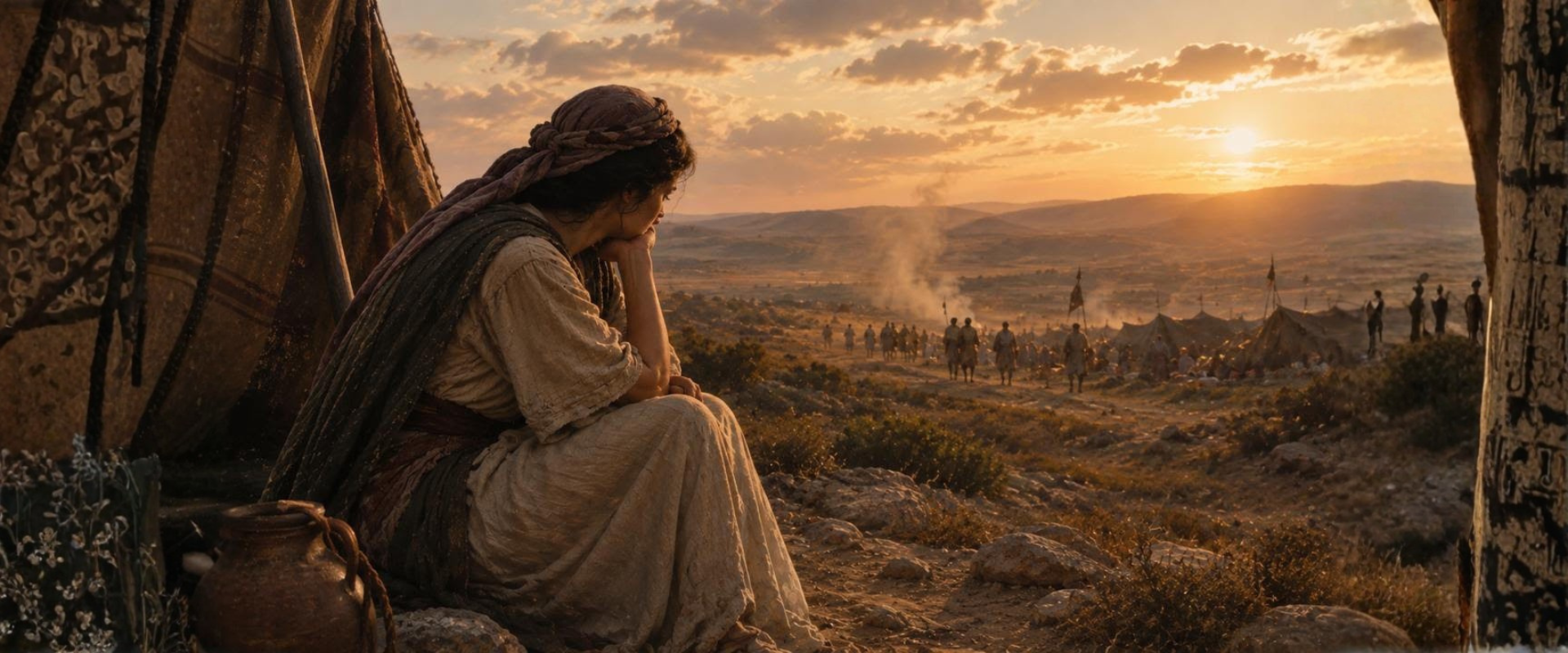
The trial process of a woman who strayed refers to a woman who was warned to stop isolating herself with a man who is not her husband, yet she was found to persist in this behavior and is therefore suspected of adultery. During the ritual, she is required to drink bitter waters into which verses of imprecation (the curse) from the Torah portion (Numbers 5:18-22) are erased from a parchment. These verses include the text, among others, 'May the LORD make you a curse and an oath among your people, when the LORD causes your thigh to waste away and your belly to swell. May these bitter waters that bring a curse enter your body, causing your belly to swell and your thigh to waste away.' Drinking the bitter waters ends in one of two outcomes: either the woman emerges unharmed from the event, thereby proving her innocence and gaining a healthy offspring and renewed trust in her marriage, or she experiences severe pain and even dies if she is guilty. In any case, this is a supernatural process that includes many elements that contradict fundamental principles of legal process and justice according to Halakha.
First, unlike ordinary legal proceedings, which the relevant parties must attend, a woman suspected of adultery has the right to refuse to participate in the ceremony. In such a case, she is permitted to agree to the decision to dissolve her marriage and forfeit any right to payments due to her by virtue of the marriage contract (Mishnah Sota 4:2).
This is surprising because if the court had convicted her of adultery, she could have been sentenced to death – yet she is given the option to avoid legal proceedings if that is her wish.
Furthermore, direct intervention by the Creator in a dispute between man and his fellow man is not found in any other instance (and as Ramban notes (Numbers 5:20), this is the only commandment in the Torah whose fulfillment, in the case where the woman is found guilty, depends on a miracle). After drinking the bitter waters, "her belly swelled and her thigh fell away." In all matters between one man and another, we find a clear procedure whereby the responsibility for judgment in cases between man and his fellow man is given solely to the judges sitting in the courts (Deuteronomy 17:11). And perhaps this is also the place to mention that even in matters between man and the Creator, the Sages have removed the Creator's opinion from the discussion (Bava Metzia 59b - the oven of Akhnai).
Why, then, does the Creator of the world have a role in resolving this particular conflict?
Rabbi Aharon Soloveitchik believes that the purpose of the ceremony is the opposite of what is apparent, and when one carefully reads Tractate Sotah, it appears that its purpose is actually the rehabilitation of the relationship between husband and wife.
According to Rabbi Soloveitchik, the entire ceremony is a complex psychodrama designed to provide an opportunity to salvage a marriage on the line. If the wife is at fault, she has a low-risk alternative in the choice not to participate in the ceremony and instead to dissolve her marriage. Conversely, if she is not at fault, the ceremony gives her the opportunity to face the risk and show that she is confident in her marital fidelity.
The ceremony is not in line with the rules because its goals are not legal (and therefore the partner suspected of an affair is not a participant in the process at all) but rather rehabilitative, and it creates a platform for the dissolution or rehabilitation of the marriage.
And in contemplation of our present day. In the Mishnah (Sotah, 9:9) it is written that at a certain point, 'the waters of bitterness ceased' due to the changing needs and realities among the Jewish people. Similarly, the mitzvah of yibbum (levirate marriage), which was practiced and accepted in the past in cases where a married man died without children, has disappeared, and in our time, the default option is to perform chalitzah, which exempts the widow from marrying her deceased husband's brother.
It seems that as norms change, the adherence to the Torah and the preservation of its values are adapted to our changing world, and there is room to adapt current Halakha in other areas, such as agunot and refusal to grant a get.
On second thought - perhaps all the great effort surrounding the breakup of a single family stems from the Sages" answer to the existential question, "So what do you do all day?"
The Midrash (Genesis Rabbah 68:4) tells of a matron who asked Rabbi Yossi ben Chalaphta what the Holy One, Blessed be He, has been doing since the creation of the world. Rabbi Yossi replied: 'He sits and matches couples: This man's daughter with that man, this man's wife with that man, this man's money with that man.'.
The matron scorned the answer, claiming that matchmaking was an easy task she could perform herself. Rabbi Yosi replied to her: "If it is easy in your eyes, it is difficult before the Holy One, blessed be He, like the parting of the Red Sea.".
God of the universe sees his work falling apart and decides to intervene.
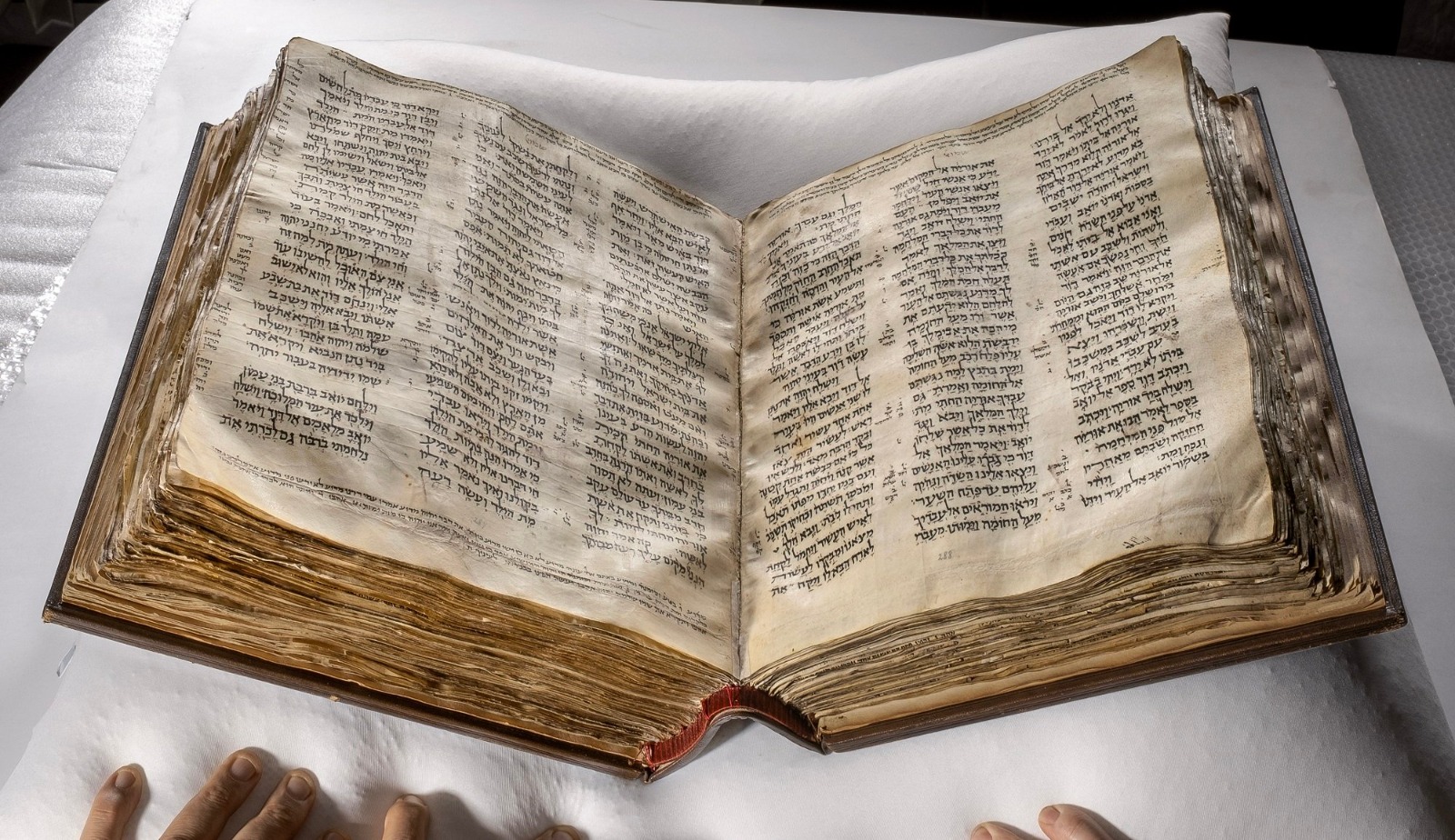
In previous parshiyot, I mentioned the importance of leadership that knows how to stand by essentials when facing a major event (Abraham in the argument over the fate of Sodom, Moses in "Blot me, I pray thee, out of thy book, which thou hast written" after the sin of the calf). Parshat Sotah shows us an example where the Creator commands to erase His name (erasing the verses that include God's name into the bitter waters) from the book in order to save one household.
And from here – to our lives.
While success is not guaranteed, if the Creator is willing to have His name erased in the case of a wayward woman to promote harmony and prevent injustice, surely we are called to do our part to ensure justice for those who have been wronged and for harmony to prevail in our homes.
Shabbat Shalom!







Comments (01)
Thank you, Meir. Well done.