The Parashah of.
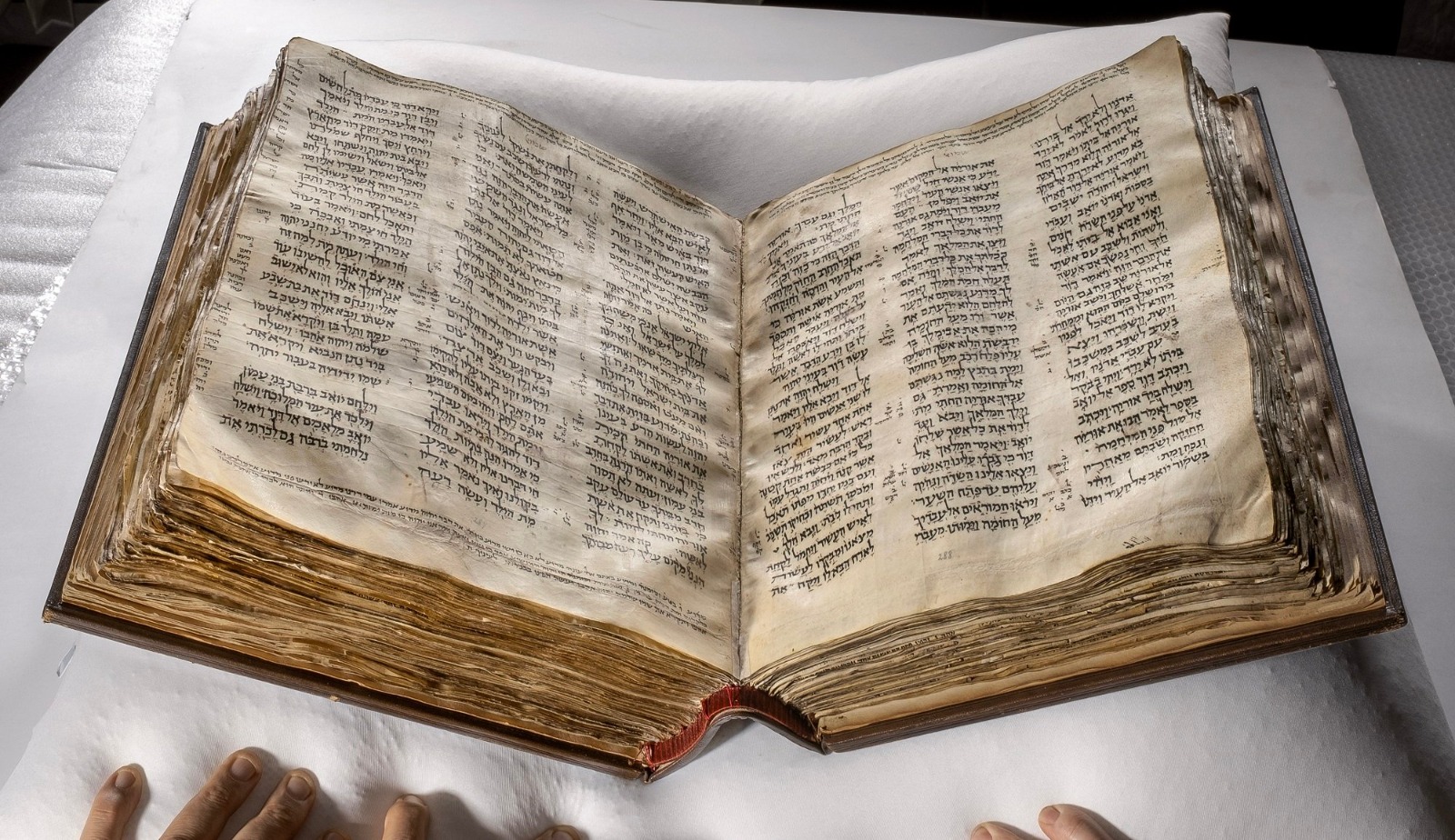
Deuteronomy differs from the four preceding books of the Torah. According to tradition, it contains Moses' final sermons before his death – farewell addresses, summaries, and a testament to the generation about to enter the land. Precisely because of this, the question arises: why is it necessary to repeat events and laws that have already been mentioned? One answer is that the generation has changed, and national memory needs to be reshaped. Alongside traditional interpretations, biblical scholars view Deuteronomy as a compilation made in a later period with a unique ideological message.
This portion features five main themes.
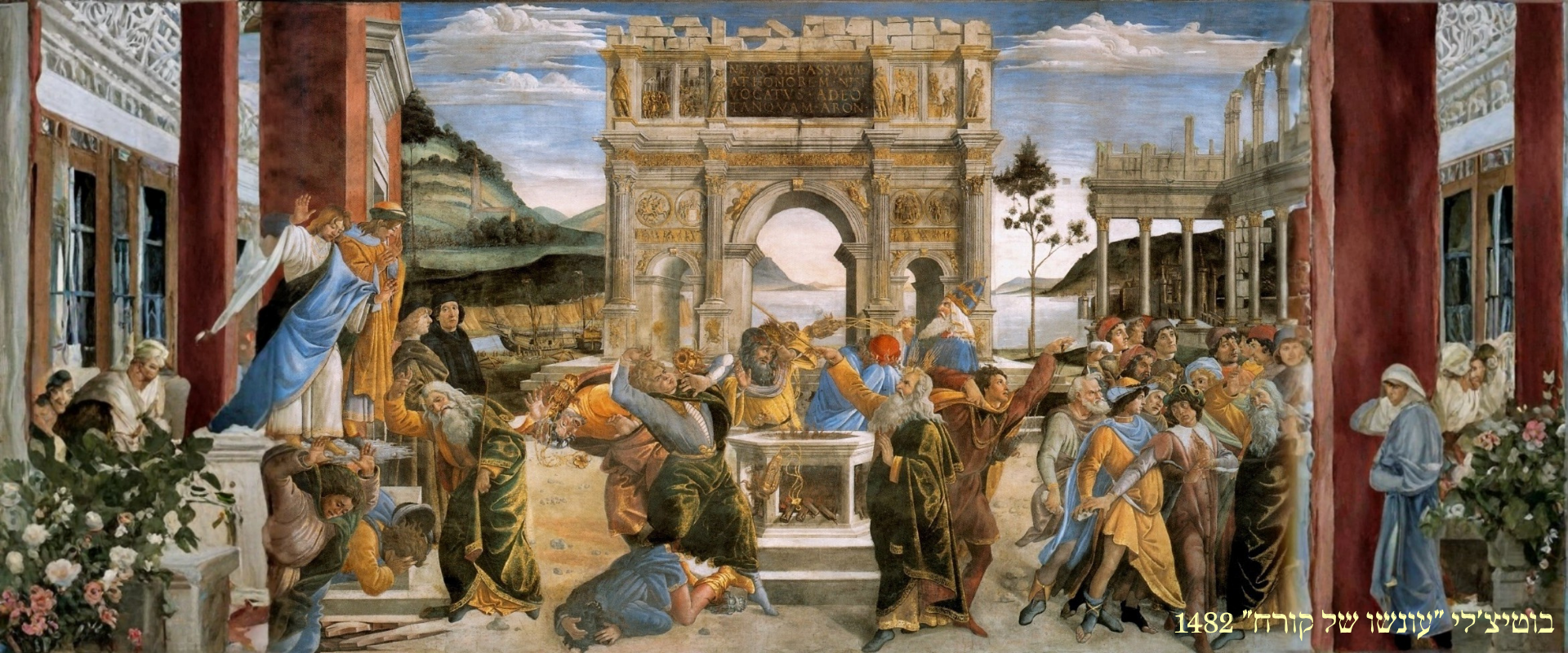
Chapter 1 of the parsha begins with a precise description of the place where Moses spoke to the people: 'These are the words that Moses spoke to all Israel beyond the Jordan, in the wilderness, in the Araba, opposite Suf, between Paran and Tophel, and Laban, Hazeroth, and Dizahab." Commentators claim that in this detailed verse are hidden the following sins: the sin of the manna and the people's complaints that the food in Egypt was tastier (Midbar); the sin of idolatry and following the daughters of Moab (Arvot Moav); the sin of testing at the Red Sea during the escape from the Egyptians and the people's complaint that Moses led them out of Egypt to die in the wilderness; the sin of the spies (Paran); the sin of the sons of Korach (Hazeroth); the sin of the Golden Calf (Di Zahav). The sin of the spies is also explicitly mentioned later in the chapter.
Among the many topics in the portion, I have chosen to focus on two, which are intertwined: the judicial system that Moses establishes and the message conveyed in the Haftarah of Shabbat Chazon. Moses recalls the governmental structure of the Israelites in the desert. Moses, the greatest of the leaders who arose for the Jewish people, concludes that he cannot bear the burden of leadership alone. He appoints officers and officials to assist him in the task of leadership, and they will share the burden with him: "And I took the heads of your tribes, wise and knowledgeable men, and I gave them as heads over you, rulers of thousands, rulers of hundreds, rulers of fifties, and rulers of tens, and officers throughout your tribes." In addition to officers and officials, Moses also appoints judges and warns them to judge justly, to treat distinguished people the same way they treat common people, and not to fear anyone in their tribe in the judgment seat: "And I commanded your judges at that time, saying, "Hear between your brethren, and judge righteously between a man and his brother and between his stranger. You shall not show partiality in judgment; you shall hear the small as well as the great; you shall not be dismayed at the face of man, for the judgment is God's. And the thing which is too difficult for you, bring it to me, and I will hear it.'".
The connection to the Haftarah of Shabbat Chazon, Chapter 1 of Isaiah, is almost self-evident. Since the portion is read the Sabbath before the Ninth of Av (Shabbat Chazon), the Haftarah deals with the spiritual and leadership state of the people. Isaiah does not hold back in his criticism of the dire situation the people are in, their preference for observing commandments over social justice. Isaiah rebukes the people who focus on the worship of God, which includes sacrifices, pilgrimages, and meticulous observance of the minutiae of commandments and laws:.
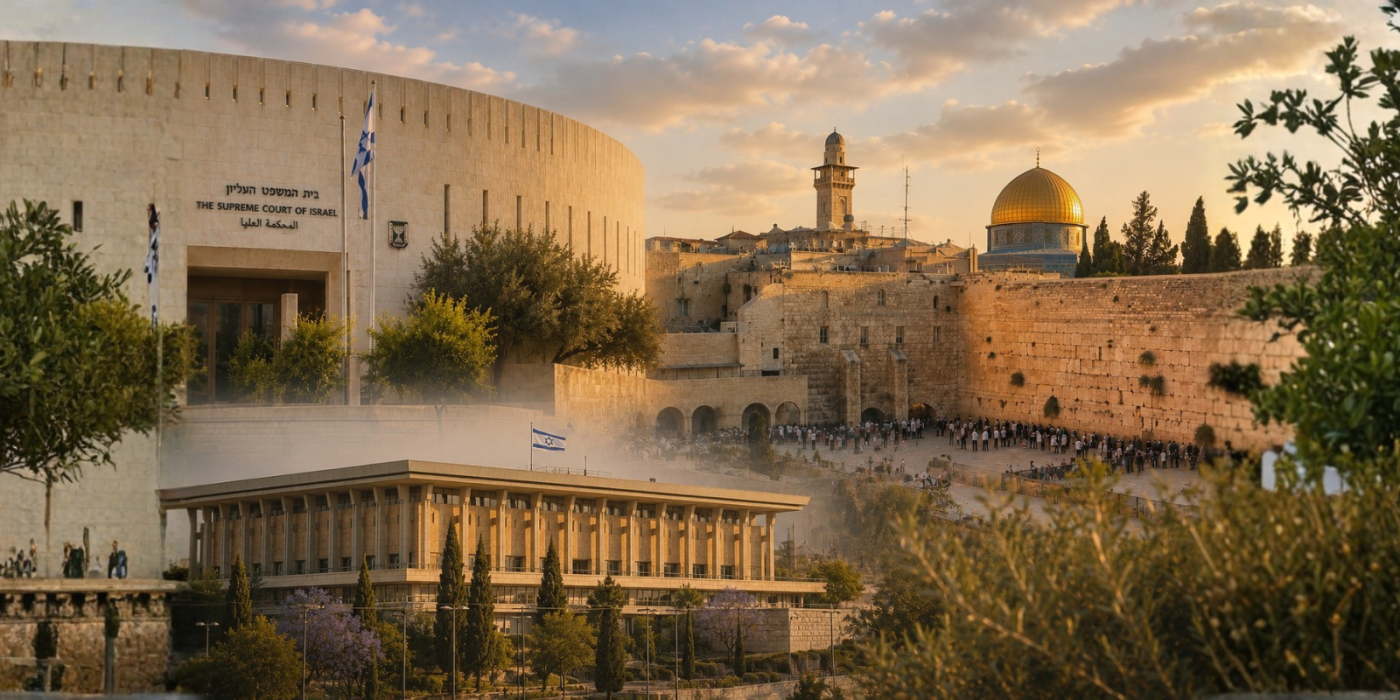
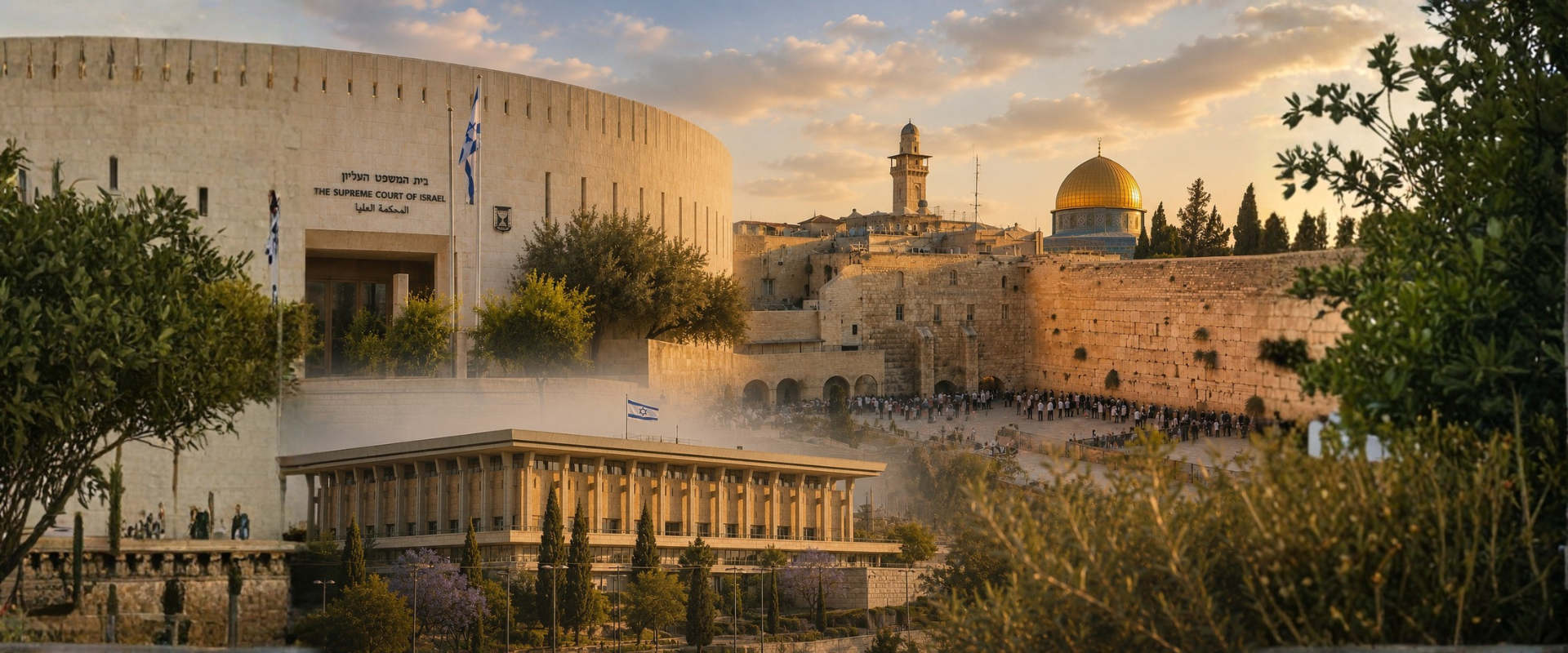
The subject of justice is a central theme in the Haftarah, but also in the Parashah. It is not for nothing that Moses mentions the judges and the unequivocal demand not to show favoritism in judgment and to judge justly. I feel that we are at a critical test point these days, in the context of the relationship between the legislative and executive authorities and the judiciary. As public trust in the justice system and the motives of judges erodes, so does the ground beneath the legitimacy of their rulings. In a situation where there is no law and no judge, compassion disappears and justice becomes relative, not absolute. Such a reality, where judges lack legitimacy, breeds dangerous anarchy. I am hopeful that we will learn from the past and succeed in restoring public trust in the justice system and its ability to administer justice impartially.
This may also be one of the central messages of the Parashat Devarim before Tisha B'Av: Destruction does not necessarily begin with an outside enemy, but with the cracks that open in the justice system, in leadership, and in the trust between person and person.. Between Moses" "Eikha," which describes the difficulty of bearing the burden of leadership, and Isaiah's "Eikha," which warns of a society that has lost its way, stands the "Eikha" of Tisha B'Av – a reminder of the price of destruction. My hope is that this "Eikha" will remain a relic of the past, and not, God forbid, become the "Eikha" of our days..