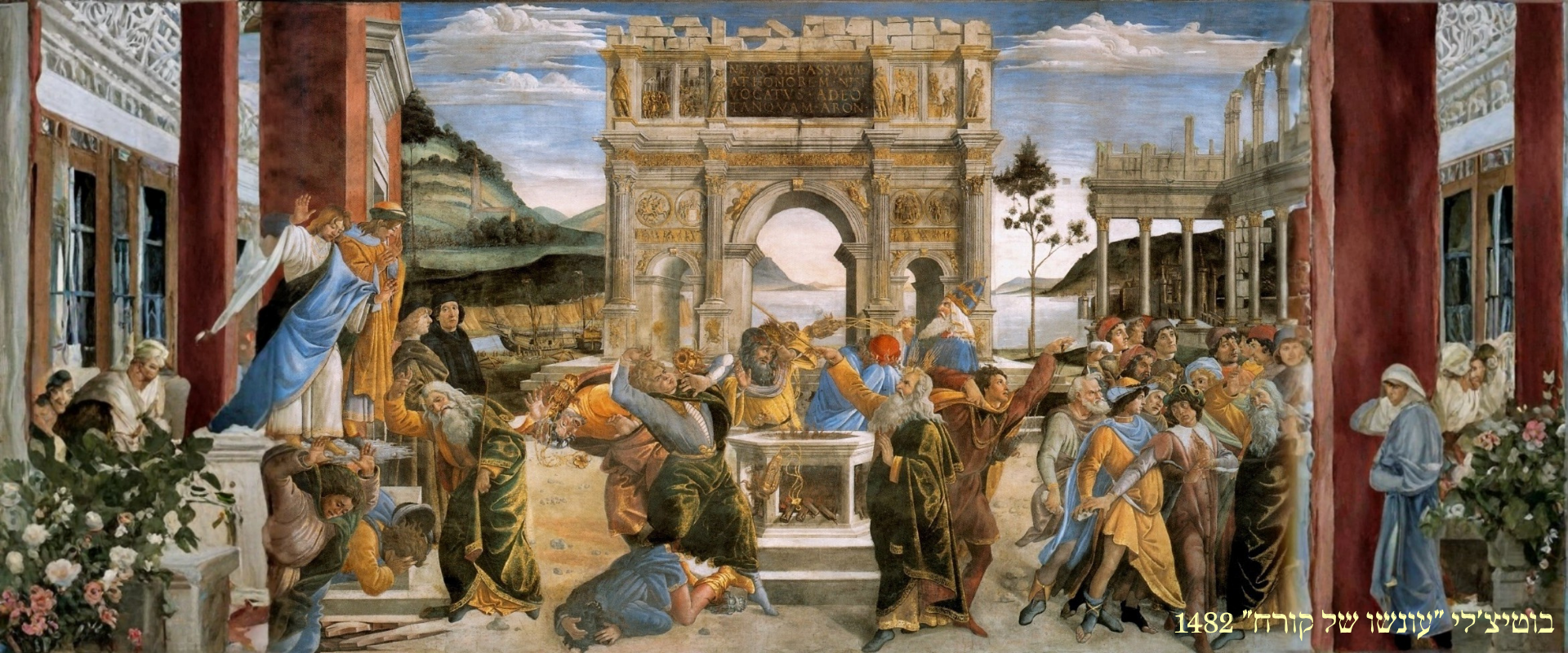
The Parashah of Chukat presents one of the most tragic and foundational moments in the Bible: the sin of the waters of strife. After Miriam’s death, the people are left without water and begin to complain.
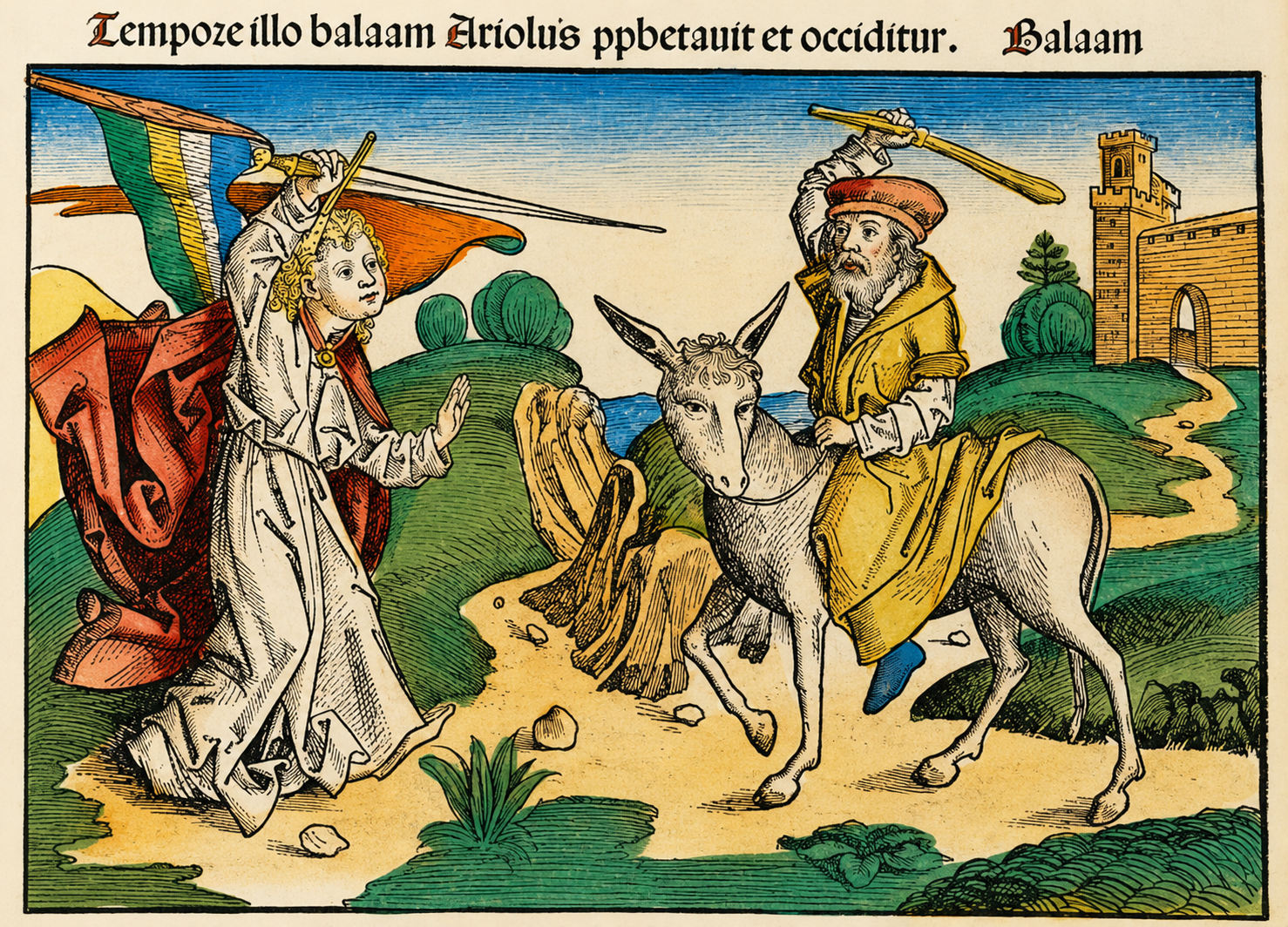
God commands Moses and Aaron to take the staff, gather the people, and speak to the rock before their eyes. However, Moses, deep in mourning and exhausted by the constant complaints, turns to the people in anger:
"Listen now, you rebels, shall we bring forth water for you from this rock?" Instead of speaking, Moses strikes the rock twice. The water does come out, but the punishment is ruthless: Moses and Aaron will not merit leading the people to the promised land.
Rabbi Sacks explains that this was not a petty punishment, but rather a change of generations and a revolution in the concept of leadership. The generation born in the desert, the generation of freedom that was about to enter the land and build an independent society,
He no longer needed leadership of coercion, fear, and brute force (symbolized by whipping). He needed leadership of speech, persuasion, education, and patience.
The Torah here sets up an eternal warning sign against tyrannical leadership, teaching that even when a leader acts with good intentions, the use of coercion and anger disqualifies his leadership.
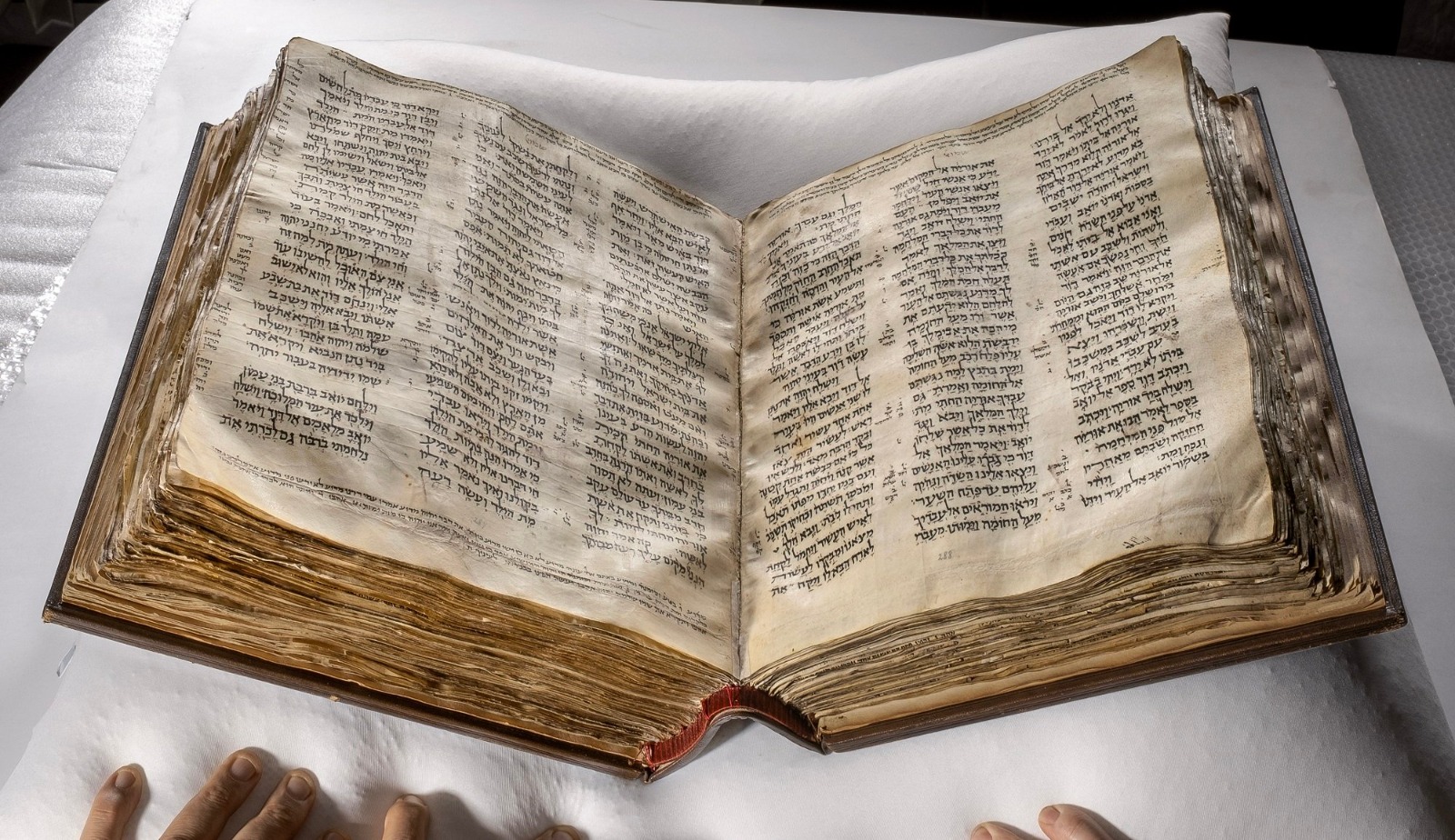
The historical irony is that thousands of years later, in 1611, King James I of England tried to use the Bible to achieve the exact opposite.
King James, who firmly believed in the "divine right of kings" to rule without limits, detested previous translations (like the Geneva Bible) that included marginal notes justifying rebellion against tyrants. He initiated the "King James Version" (KJV) with a clear political objective: to produce a text that would teach blind obedience to authority.
The translators were instructed to soften the text, and even diligently deleted the word "tyrant" from the Bible so that the people would not associate royal rule with tyranny.
A striking example of how this political move received a "reverse message" can be found in our case, in the chapter about the king in Deuteronomy (Chapter 17),
The Torah sets strict limitations on the king in Israel, intended to prevent the king from becoming a military and economic tyrant.
King James wanted the English people to read these verses and see them as evidence of the centrality and sacredness of the monarchy – a position of an absolute ruler who must be obeyed.
He hoped the people would understand the leader's role as one who holds the "rod of correction" and supreme authority. But he forgot that the biblical text is stronger than any translator or king.
English readers, and later the Puritans who emigrated to America, read the King James translation with critical eyes. They did not see justification for tyranny there, but precisely the opposite:
They saw that the King of Israel was limited in his power, that the Torah demanded humility from him, and that the greatest rulers (like Moses) were severely punished when they exceeded their authority and used force.
The parashah of Chukat and additional parashot reminded them that divinity is not found in royal might, but in justice and righteousness. In the end, the very text that was supposed to create obedient subjects,
Became the greatest manifesto of freedom and revolution against tyranny.
I believe this lesson from the foundational and important book of Jewish tradition is particularly important for us as Israelis these days.
The surprise that was prepared for King James attests to how politically significant and relevant the Bible is.
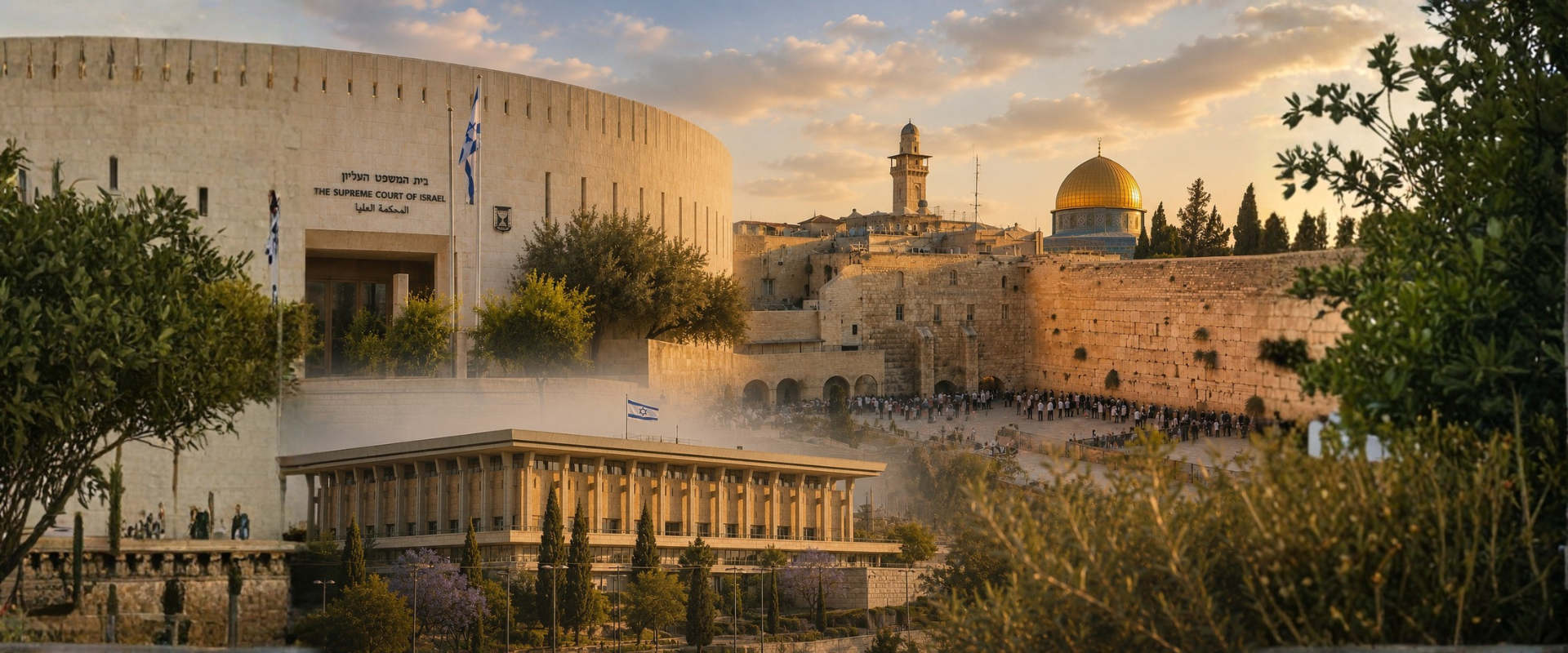
On the way to elections in Israel, the message of the constitutional case indicates that changing leadership is not just a matter of replacing the leader but a change in the style of leadership.
The time comes when even the leadership of a revered figure like Moses requires adaptation to a new generation of freedom rising to independent life in the Land of Israel – "to be a free nation in our land.".
In those days, in this time.
Shabbat Shalom!
Rani

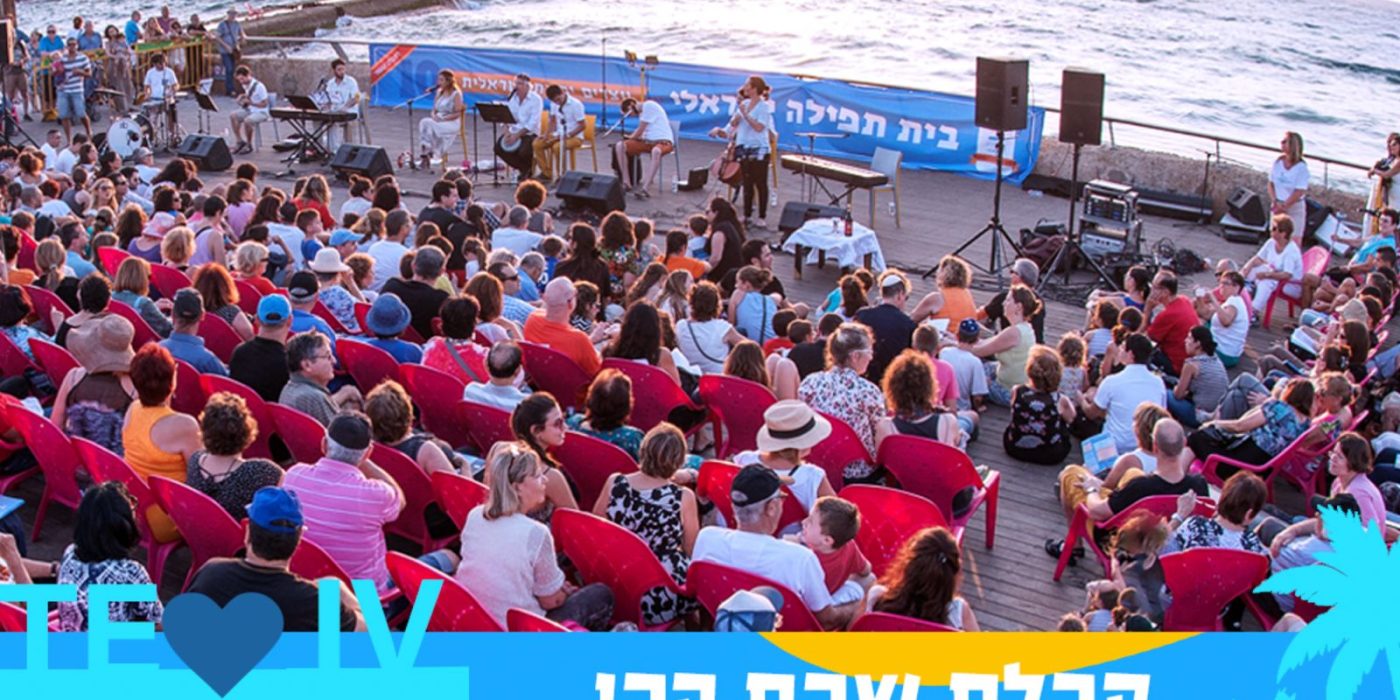

 With the musical ensemble of an Israeli prayer house and other surprises
 Join us every week,
 Tel Aviv Port, central check-in area near the roundabout
 Admission is free with advance registration.