Parshat Ki Teitzei


Words for Shabbat - A community blog for this week's parashah

Portion Ki Tetze (When you go out to war)

How do we exit the war moral?

By: Willy Siegel

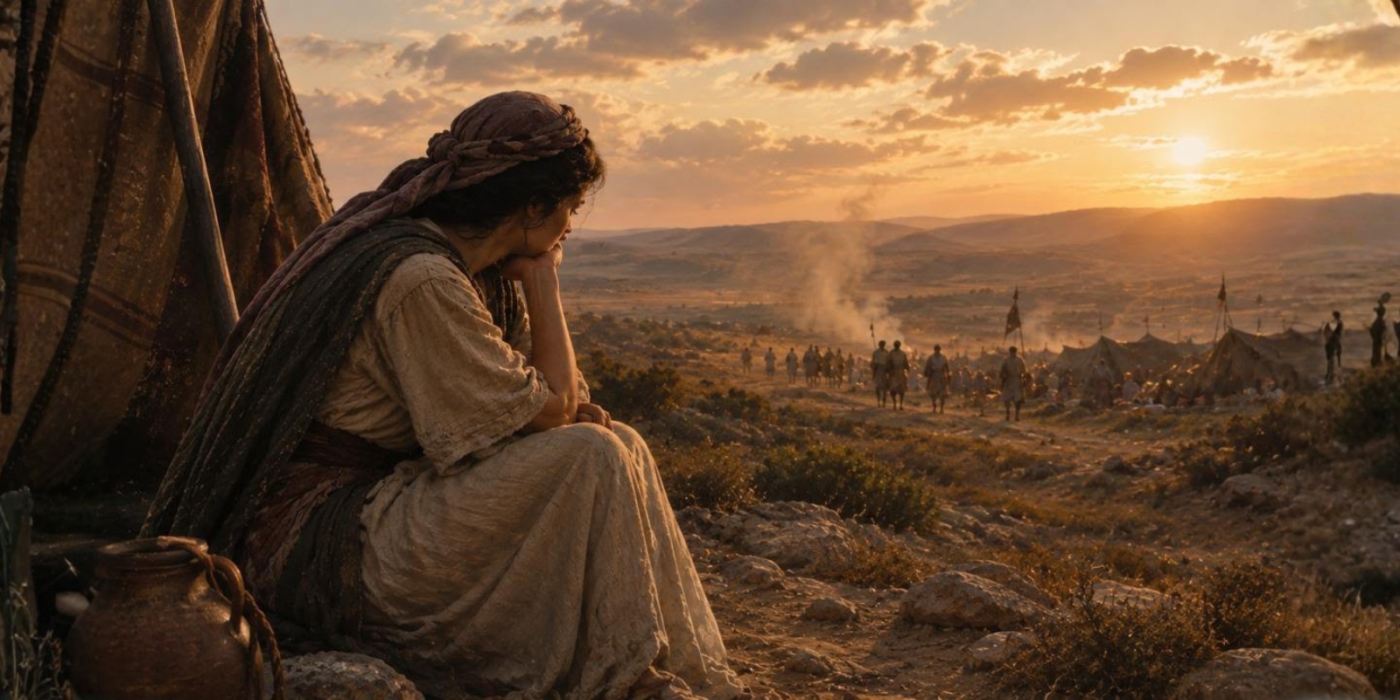
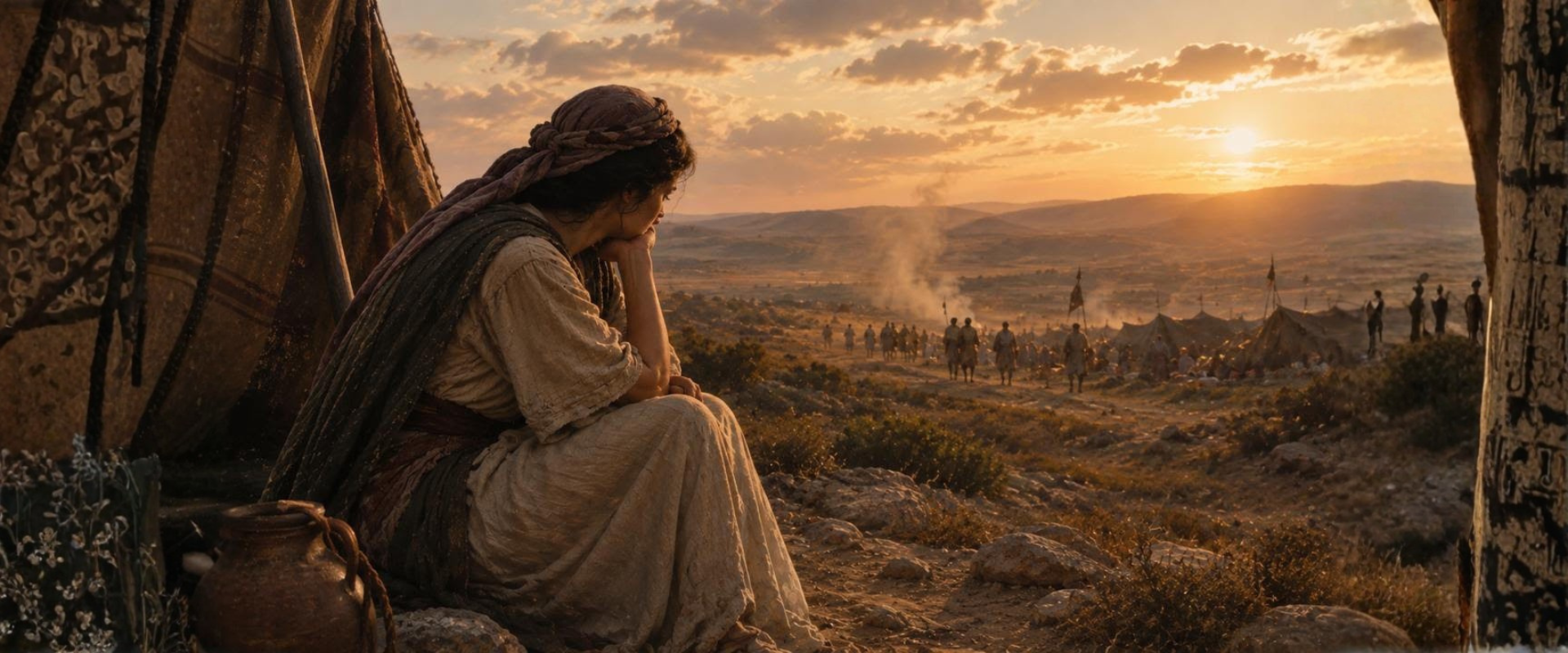
"And you see among the captives a woman of beautiful form... and she shall bewail her father and her mother a full month" (Deuteronomy 21:11–13).

The Torah portion of Ki Teitzei opens with the words: "When you go out to war against your enemies." Seemingly, this is an opening for a portion about war and victory. But it immediately becomes clear that the Torah is also interested in another question: what happens to a person when they are in a position of power—and what war might do to them.

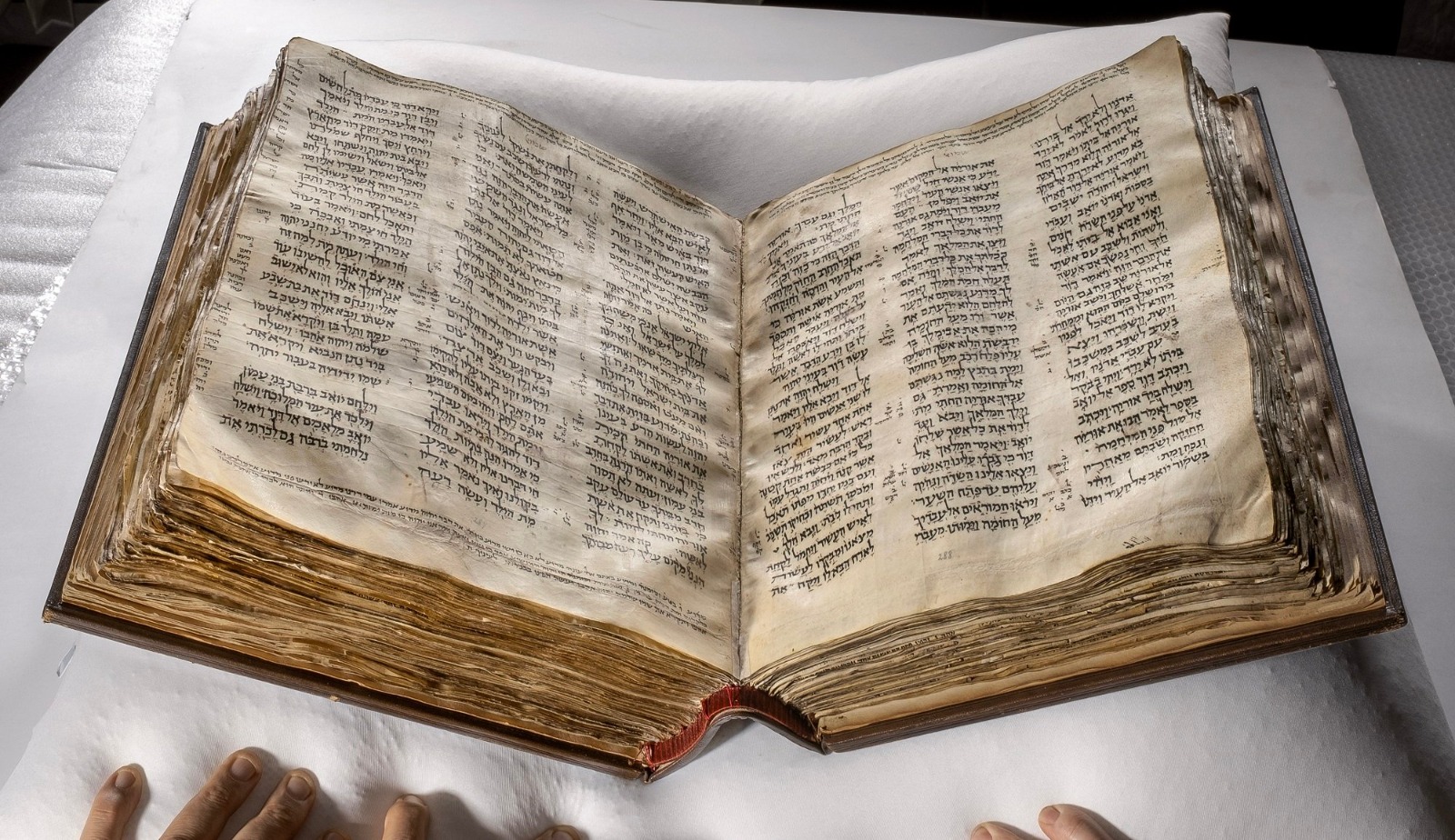
The law of the beautiful captive woman is difficult to read with modern eyes. But precisely for this reason, it is interesting to see how the Sages of the Talmud read it. Rashi, following the Talmud in Kiddushin, writes: "The Torah spoke only against the evil inclination." The Torah does not assume that someone who fights on the just side will inherently be moral. It recognizes that in the midst of war, precisely when power is in our hands, impulses and boundaries also change—and therefore restraint is required.

Maimonides goes a step further. In The Guide of the Perplexed, he dwells on the month during which the captive woman bewails her father and her mother. He writes that she is not prevented from weeping and mourning, "for those who mourn find relief in tears," and adds: "And for this reason, the Torah had compassion on her." Amidst a very violent reality, the Torah suddenly makes room for the grief of the woman from the defeated side.

There is something staggering in this small detail. The soldier initially sees a "beautiful woman" – a figure amidst the crowd of captives. The Torah forces him to stop. She has a father and a mother. She has a past. She has a loss. She has mourning. Before she becomes part of his story, she is a person with a story of her own.

Later in the Torah portion, the Torah returns to the military camp and states: "When you go out in camp against your enemies, guard yourself from any evil thing" (Deuteronomy 23:10). Ramban interprets the verse in a particularly sharp manner. According to him, sin is prevalent in camps going out to war, and even "the most upright of men by nature takes on cruelty and wrath when a camp goes out against an enemy." Therefore, precisely there, the Torah warns: "Guard yourself.".

This is a sobering thought: morality is not a trait we can bestow upon ourselves once and check off the list. Even if we believe in the righteousness of the war, and even if we are proud—and rightfully so—of the aspiration for a moral army, Ramban reminds us that war itself can blur boundaries. Perhaps precisely those who wish to be moral must continue to examine themselves.

And within the large collection of commandments in the Torah portion, the command regarding returning lost property also appears: "You must not remain indifferent" (Deuteronomy 22:3). On a simple level, it is of course about an ox, a sheep, or your brother's lost item. I do not want to turn the verse into a slogan divorced from its context. And yet, these words stay with me: to train the eyes not to look away.

I am reading this week's Torah portion from the Netherlands, and therefore experiencing the war through other eyes as well. Alongside one-sided and sometimes even antisemitic voices, I also hear genuine concern for the severe human toll in Gaza. It is not always comfortable for me to listen to these voices. It is important to remember October 7th, Hamas, the hostages, and Israel's need for security; all of these are a necessary part of the story.

And yet, perhaps the Torah portion of Ki Teitzei asks me not to rush to end the conversation there, and to ask: Even in the midst of an argument, are we still capable of seeing pain that is not our own?

Toward the end of the Torah portion, the Torah returns to those at the margins of power: "You shall not subvert the rights of the stranger or the fatherless... And you shall remember that you were a slave in Egypt" (Deuteronomy 24:17–18). The biblical categories are not identical, of course, to the political reality of our time. And yet, the principle is intriguing: the memory of our suffering does not remain merely a memory. The Torah transforms it into a source of responsibility toward those who are now in a vulnerable position.

And the Torah portion ends with a different memory: "Remember what Amalek did to you." And what is emphasized in the act of Amalek? "He attacked all the stragglers behind you, when you were faint and weary." I do not wish to compare Amalek to any side in today's conflict. The question that interests me is different: What does the memory of once having been weary, straggling, and defenseless do to us when we ourselves are in a position of power?

What happened cannot be changed. But the question of what we do from here can still be asked. Can we hold together the need for Israel's security and the desire for human beings living beyond our borders to have a future of dignity and hope? Are these necessarily two contradictory desires?

Parashat Ki Teitzei begins with the question of how to go out to war. It seems to leave us with a harder question: how to come back from it. How do you return home after years of fear, loss, anger, and power—and remain human beings capable of seeing also the story of someone who is not us.

Perhaps this is another meaning I am hearing this year in the simple and harsh words of the Torah portion:
"You cannot ignore it"

Picture of ווילי סיגל

Willy Siegel

A grandfather to two Swedish grandchildren who now lives in the Netherlands, his country of birth, from where he participates in the study of an Israeli Beit Tefillah and writes words of Torah while thinking about the situation in Israel, where he was educated, served, and worked.