A. The Problem: The Desert Madness Routine
Parashat Behaalotecha presents us with one of the most fascinating – and psychologically exhausting – descriptions of the life of the Children of Israel in the Sinai Desert. The Torah describes in unusual length how the entire camp moved according to the movement of the Divine Presence cloud.
"And when the cloud was lifted from over the Tabernacle, the Israelites would set out, and in the place where the cloud settled, there they would encamp. . . . Sometimes the cloud would remain from evening until morning, and when the cloud lifted in the morning, they would set out. . . . or for two days, or for a month, or for days [a year] . . ." (Numbers 9:17-22)
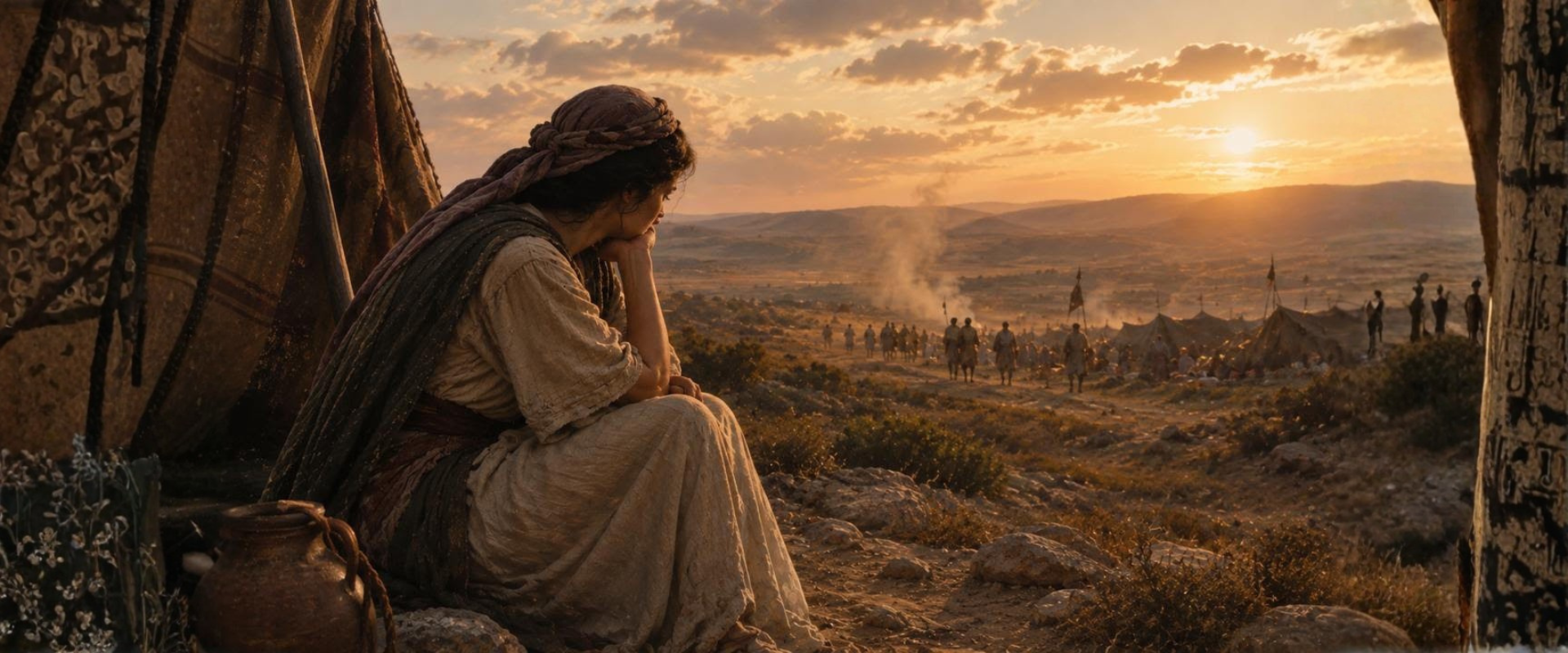
Try for a moment to imagine this situation on a human, everyday level. Entire families, elderly people, children, tents, animals, and possessions. You arrive at a station, unload your equipment, set up the tent, and get the kids settled for sleep. In the morning, you wake up, the cloud lifts – and you have to pack everything up and set off again. On the other hand, sometimes you are parked in a desolate, boring, and uncomfortable spot, and you are stuck there for a whole year without knowing when you'll be able to move.
There is no schedule. There is no five-year plan. There is no ability to plan for tomorrow. The Torah presents us with a reality of extreme uncertainty, nerve-wracking, and almost impossible to control.
B. The Distant View: Israeli Helplessness and Japanese Awareness
I am writing these words from Japan, where I have been for the past few months. Observing Israel from here evokes deep thoughts about this concept, uncertainty.
The current Israeli reality feels exactly like the desert in the Parshat Behaalotecha. Israeli society is living within a thick cloud of immense and exhausting uncertainty: Will war break out again in the north? What will happen with Iran? When will elections be held? The collective feeling in the country is that we have lost the ability to plan even a week ahead. This uncertainty breeds constant anxiety, deep frustration, and a sense of helplessness.
But here in Japan, in the heart of a culture of over a hundred million people, completely removed from Jewish tradition, I encountered a very different worldview.
In Japanese tradition, conceptually and culturally, there is a fundamental Buddhist concept called "Anicca" - the law of impermanence. According to it, the natural state of the world is that everything flows, changes, and is temporary. Nothing is permanent: not the political situation, not health, nor the weather. The Japanese developed an entire philosophy called Mono no aware.
(Mono no aware), meaning the awareness and sensitivity to the transience of existence
While we, in the West and in Israel, perceive impermanence as a disaster and a threat to be fought, Japanese culture actually finds beauty and inner peace in it. The most familiar example is the cherry blossom (sakura) – it is beautiful and celebrated with immense excitement precisely because it lasts a week or two and then falls. The Japanese do not try to stop the cloud or time; they practice accepting the present moment, the "here and now.".
C. The Solution: What happened at the graves of craving?
And here we return to our portion, and discover that the Torah and Japanese wisdom meet in the exact same place.
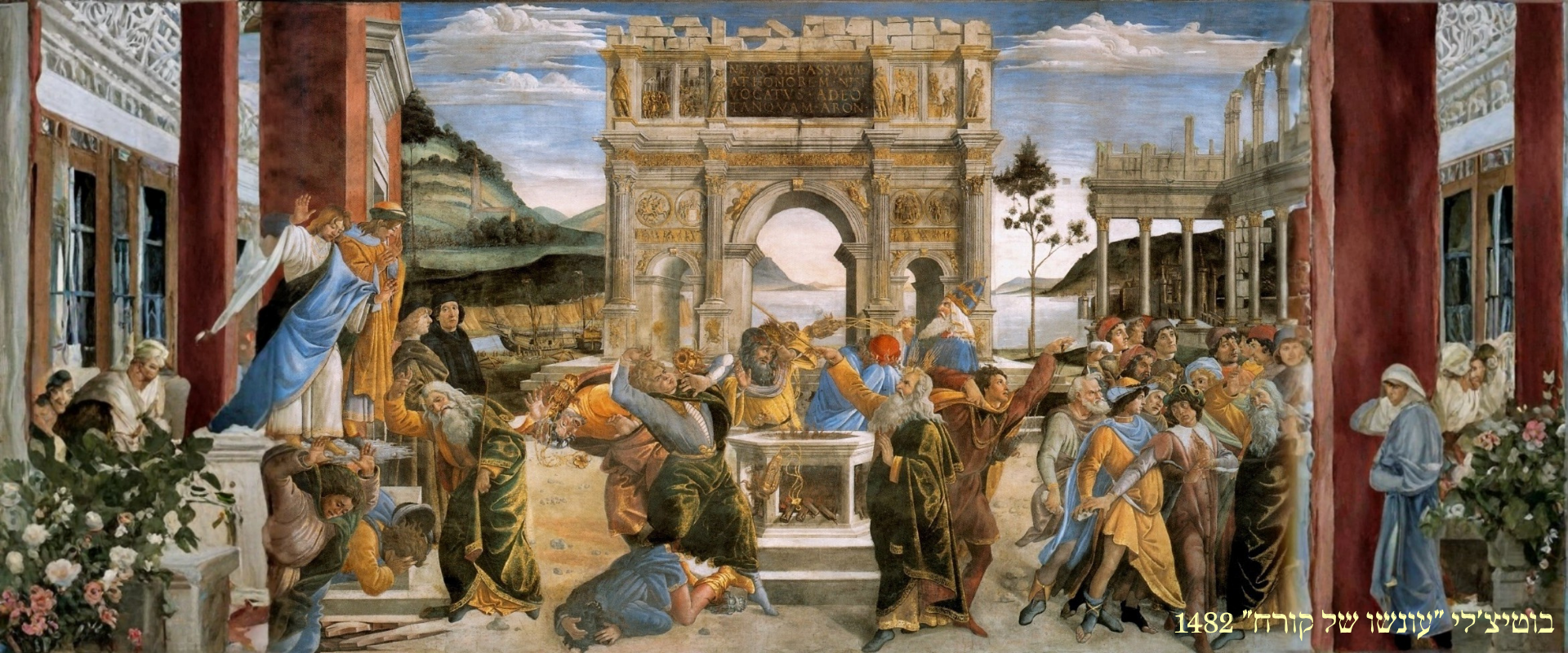
Immediately after the description of the journey following the cloud, the people in the desert broke. The psychological burden of uncertainty overwhelmed them. They became "complalers," and cried at the graves of craving: "Who will feed us meat? We remember the fish that we ate in Egypt for free... and now our soul is dried up, there is nothing but the manna before our eyes.".
Psychologically, the people are sinning by fleeing. When they are unable to bear the uncertainty of the desert, they flee into a false nostalgia for the past—for Egypt. Although they were beaten slaves there, at least everything was fixed and known in advance. They are fed up with the manna.
What is manna? Manna is the ultimate food of the "here and now." It is given out day by day, and it cannot be stored for tomorrow (because it will rot), and it requires man to rely on the present. The people hated manna because manna forced them to live in that moment, without existential guarantees for the future.
The solution that the parsha offers us—and which harmoniously resonates with Japanese Zen—is the understanding that holiness does not reside in stability and absolute security, but rather in the ability to let go of control and dwell within the present moment. The pillar of cloud was not meant to stress the people, but to train them. The desert is a tough school for accepting impermanence. God tells them, and also us: You cannot control the cloud, you cannot know when you will travel and when you will return. The only thing you can control is how you behave in this moment, within your tent, with the people beside you.
D. Conclusion: Finding Calm Within the Cloud
The complex and painful Israeli reality will not change tomorrow morning. The threats and political and security upheavals will continue to accompany us for a long time.
But perhaps, this practice of the cloud page, combined with a bit of the quiet and humility of Japanese wisdom, could offer us a little relief.
Instead of exhausting our strength on existential anxiety about a future beyond our control, or on nostalgia for a past that is no longer, we can choose to focus on the "manna" of today. In the present. In our ability to build supportive and sensitive communities, like in an Israeli house of prayer; in the ability to meet the other, to sit around a Shabbat table, to listen, and to find moments of peace, sanity, and holiness within the fleeting nature of the journey.
The external reality may not change immediately, but who knows – our full and stable presence within the "now" can, in the end, wonderfully impact tomorrow. Shabbat Shalom