Words for Shabbat - A community blog for this week's parashah

Parashat Beshalach

Song of the Sea on the Path to Inner Development 

By Talia Birkan
 

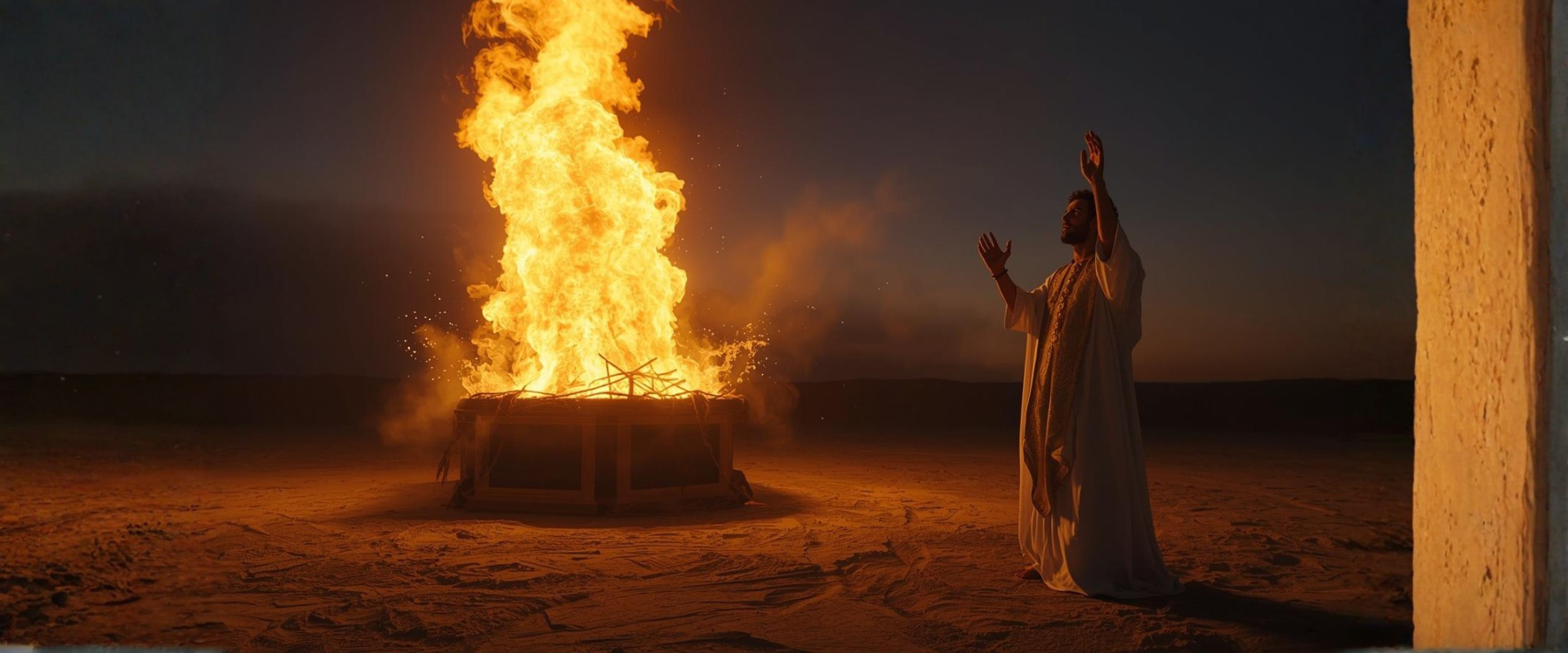
The parasha Beshalach, known as Shabbat Shira, places the Song of the Sea at the heart of the story of the Exodus from Egypt. The parasha tells of the beginning of the Israelites' wanderings in the desert and of several miracles that occurred along the way under Moses' leadership: God brings down bread from heaven to feed the hungry people and gives them quail in the evening. Moses throws a piece of wood into the bitter waters and they become sweet. Moses strikes a rock and water, drinking water, comes out of it. Moses stands with his staff and his hands raised, and Israel defeats Amalek. And finally, the event of the splitting of the Red Sea, during which the Israelites crossed the sea and the Egyptians drowned. The people and Moses give thanks and praise to God for the obvious and supernatural miracle, inSong of the Sea, marking the end of slavery and the beginning of freedom.

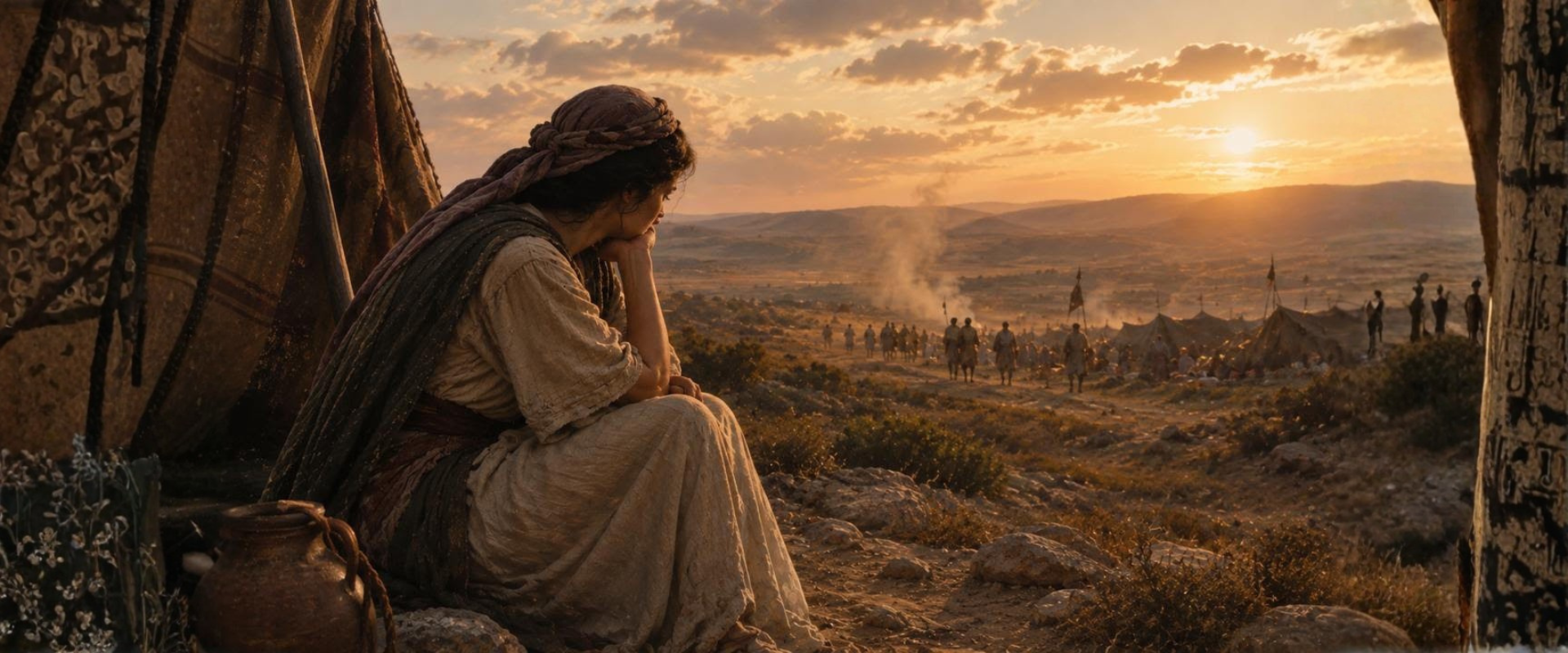
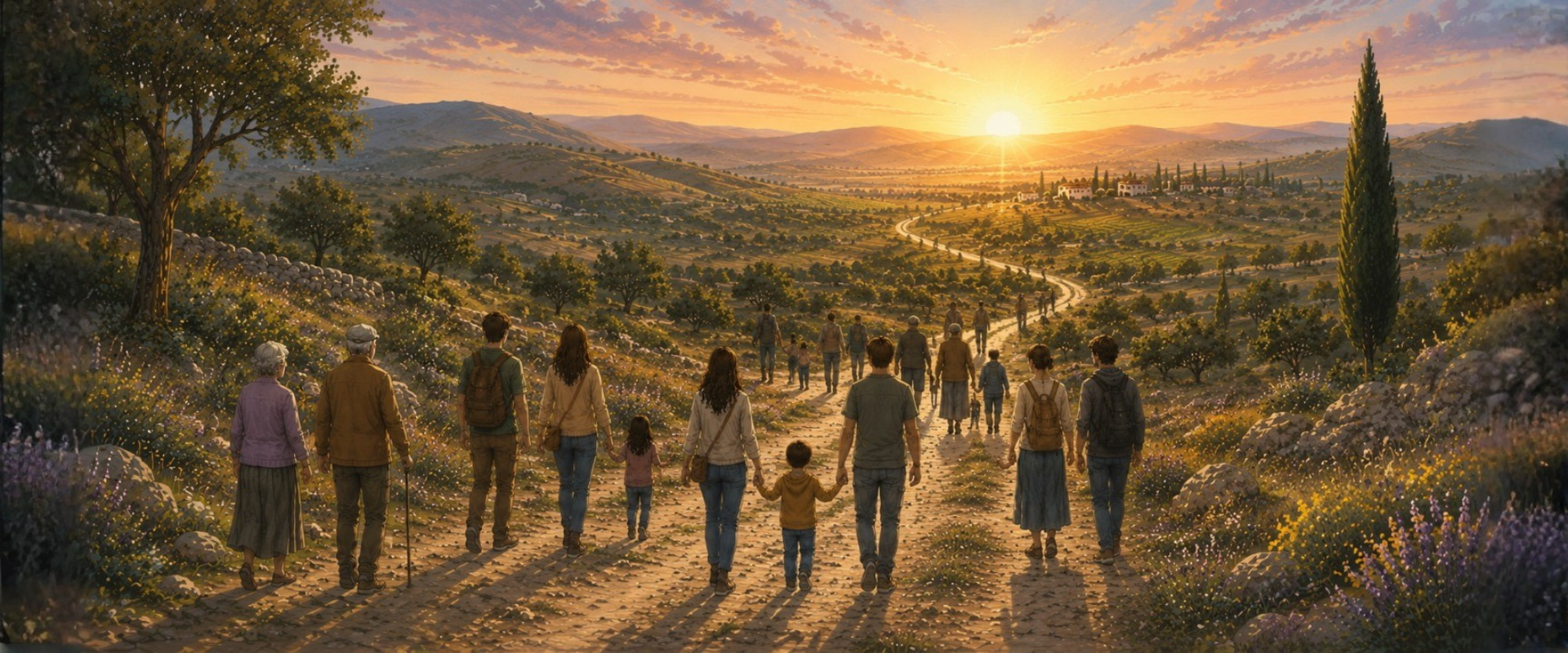
The song does not end at a clear point. The Israelites are no longer slaves, but they are not yet a free people. Egypt is behind them, the Promised Land is still far away, and the desert stretches out before them. This is a moment between the old that is no longer and the new that has not yet taken shape. In this space, between a familiar past and an unknown future, song bursts forth.

The Torah describes that God does not lead the people by the short route. ..." And God did not lead them by the way of the land of the Philistines, for it was near; but God said, "Lestthe people might change their minds when they see war and return to Egypt. (Exodus 13:17). Rashi explains that returning to Egypt is dangerous; a people that has just been freed from slavery may be broken by an early encounter with war and ask to return. Freedom, then, is not just an external change of circumstances, but a process of conscious maturation. Sometimes the long road is the only road that leads to a future.

The moment before the sea is split is a moment of chaos: the sea ahead, Egypt behind, and the desert closing in on all sides. There is nowhere to run and no clear way forward. Maimonides describes the “chaos” as a state of desolation with no foothold, a state that arouses bewilderment and loss of direction. It is a moment when no solution is in sight and there is still no language for hope. Within this lack of foothold, the passage opens up—the sea splits, and the possibility of moving forward is revealed.

According to the Midrash, the Israelites were afraid to enter the sea, and only Nachshon ben Amminadav jumped in, and then the sea split. Therefore, there is a lesson here about faith. Faith and action precede miracles.

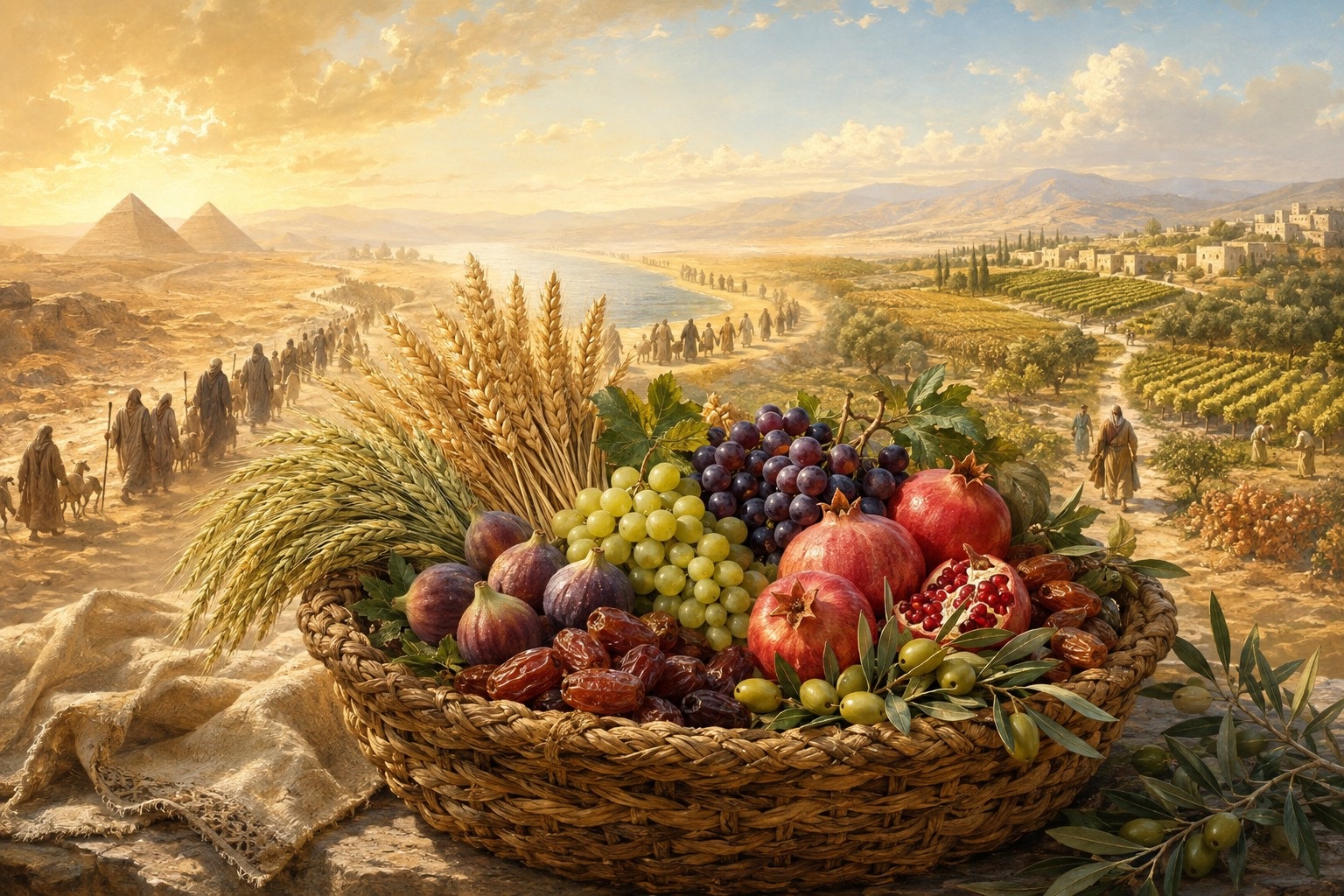
But physical transition alone does not bring redemption. For movement to become real change, another step is required, and this is where the Song of the Sea comes in. The Song of the Sea is not merely a description of what happened, nor is it merely an emotional response to a miracle. It is a human action taken within a reality that is still unstable. It is an attempt to put into words what is still in the process of becoming.

In this sense, the Song of the Sea is an opportunity for human learning about the experience of trust. It does not promise a solution, nor does it eliminate fear, but it allows us to keep moving even when reality is still blocked. Such learning is not foreign to us. Looking back on the months during which the nation struggled to bring back the kidnapped, we can see how the very ability to imagine their pain and suffering as if they were our own allowed us to hold on to hope for their return and for life – even before there was a clear reality to hold on to. As in the Song of the Sea, the experience of striving to bring back the captives was not proof of their return, but rather expressed the opportunity to accept the unknown and thus enabled us to extol the goodness, strength, and faith of the families and of all of us – until the last captive was returned!

The Holy Zohar sees the recitation of the Song of the Sea not only as a remembrance of a past miracle, but as a constant renewal of the Exodus from Egypt. Rabbi Shimshon of Ostropol writes that the song “illuminates” redemption through human speech. According to this view, speech is not merely a description of reality, but a tool that enables reality to unfold. It is no coincidence that the Sages stated: "In every generation, a person must see himself as if he had come out of Egypt.  This is not just a call to remember, but an invitation to empathize—to imagine ourselves in transition, in uncertainty, and to ask what freedom looks like when it is still a work in progress.

Mary Oliver talks about leaving in order to be free, saying that what is frightening is not the freedom we will gain, but the responsibility that comes with it, namely, being true to ourselves in choosing freedom.

The moral questions raised by the song also fit into this narrative. “The horse and its rider are cast into the sea” – what are we singing about? Tradition cautions against schadenfreude and emphasizes that we should not rejoice in human suffering. Perhaps the song does not celebrate the defeat of the Egyptians, but rather marks the end of the consciousness of slavery. Victory does not lie in destroying the enemy, but in the ability to stop seeing ourselves as doomed to remain where we are.

And amid the singing, Miriam the prophetess appears, and the women come out with drums and dancing. It is a voice of thanksgiving and of life. A voice that expresses redemption as a powerful decision, as the opening of a new path—a path that includes community, movement, and hope.

One of the central verses in the Song of the Sea is: "This is Eli and Anahu. A verse that conveys a dual meaning: recognition of God's greatness, alongside a desire for closeness. “And we will adorn Him” – from the word "noah," meaning home, and also from the word "noah," meaning beauty and adornment. Not only to believe in a distant God, but to build a place for Him within life itself, within the fragile and evolving human reality.

The Song of the Sea concludes with these words: ""The Lord shall reign forever and ever" – This is not a statement about a world that has already been redeemed, but rather a continuing hope: a request that trust, intention, and movement continue to operate even after the song ends, even when there is still a long way to go.

The Song of the Sea, then, is not only a memory of a miracle that occurred in the past, but a path to inner development, to learning to hold on to a foundation of trust that allows movement even when reality has not yet been resolved. It is the ability to imagine, to believe, and to continue walking in a space that still seeks redemption.

Picture of טליה בירקאן

Talia Birkan

Talia Birkan is a woman of spirit and education in the realms of thought and action. She writes books and provides guidance in holistic development.

Leave a Reply

Your email address will not be published. Required fields are marked *