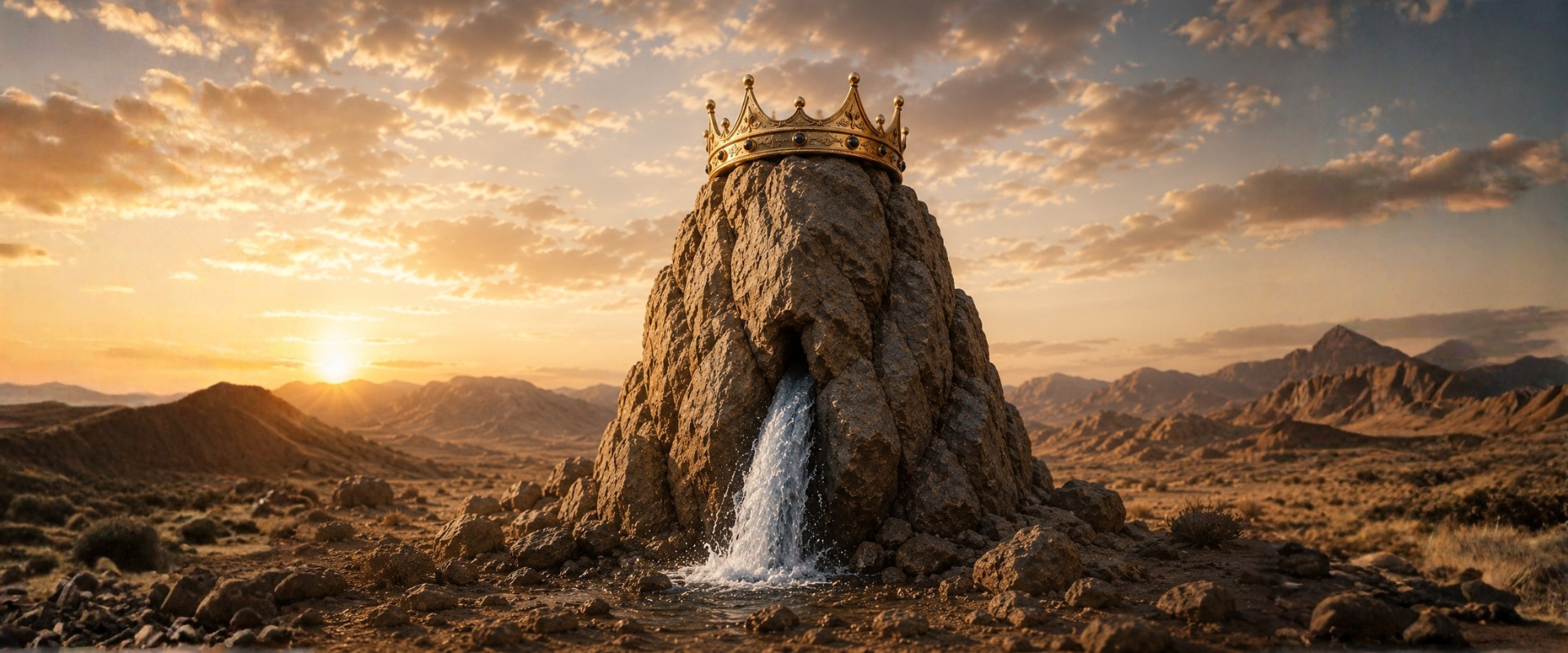
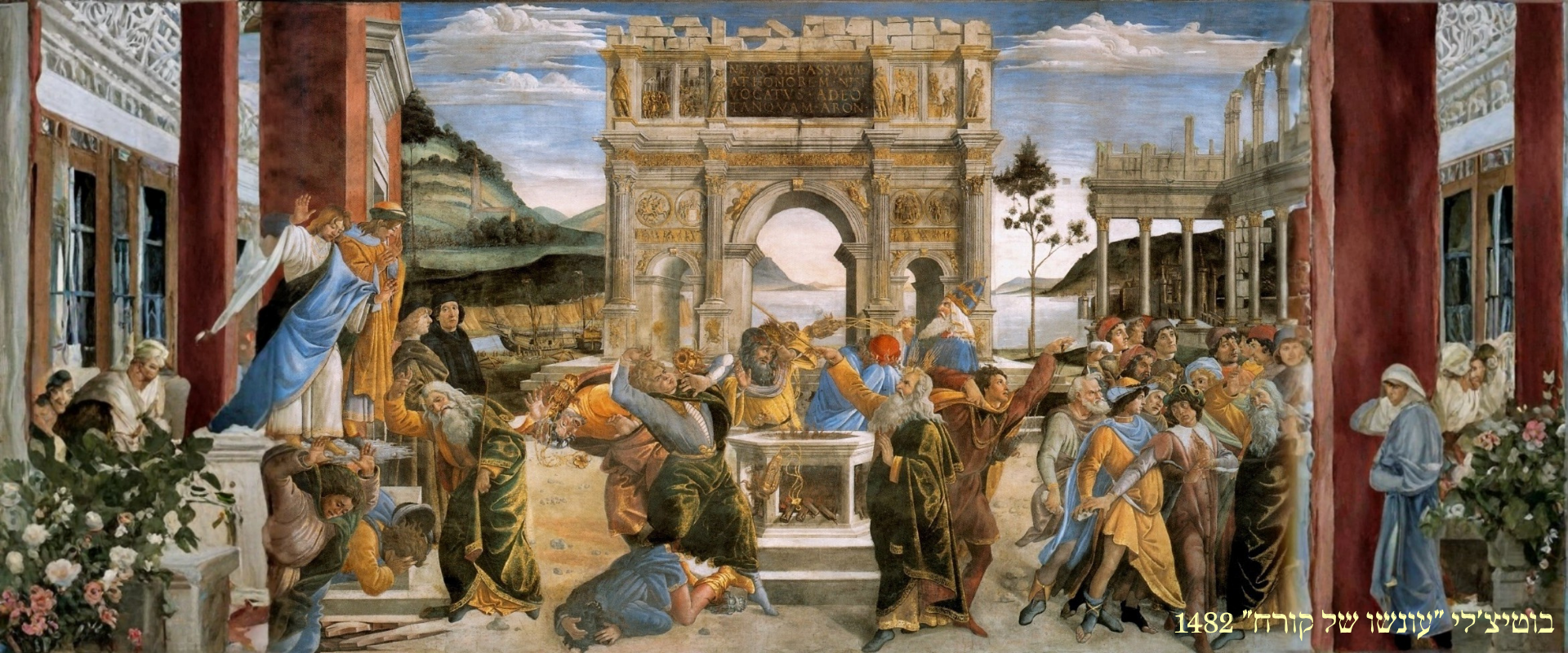
The parashah "Shelach Lecha" (in the Book of Numbers, chapters 13-15) primarily deals with the sending of the twelve spies to scout the land of Canaan, and also includes the punishment of the one who gathered wood on Shabbat and the mitzvah of tzitzit.
The sin of the spies led to the decree of 40 years of wandering in the desert. According to Yona Bar-Maoz of Bar-Ilan University, the instruction to send spies to scout the land is attributed to God, and their careful selection as well, 'all of them chiefs among the children of Israel,' was "at the command of the Lord" (Numbers 13:3). Nevertheless, the outcome of the mission was very negative and unexpected; the spies did indeed begin with praise for the land: "We came to the land to which you sent us.'
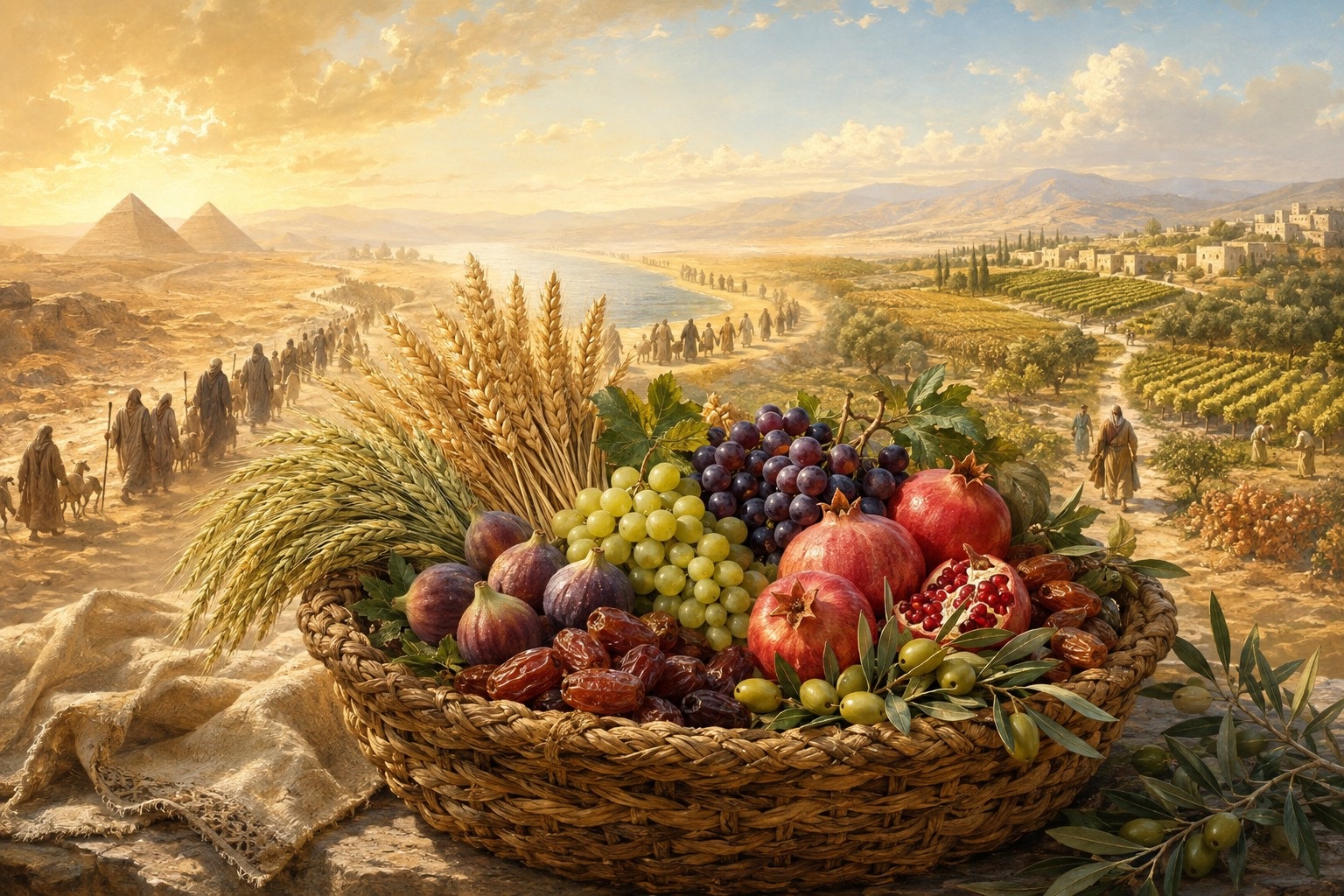
"And also milk and honey it flows and this is its fruit' (Numbers 13:27), but immediately added and argued that its conquest would be problematic:
For the people who live in the land are very strong and the cities are very large and fortified, and we saw the descendants of the giants there. Amalek dwells in the land of the Negev, and the Hittites, the Jebusites, and the Amorites dwell in the hill country.
The sin of instilling fear in the people was not the main sin of the chosen spies, but another, surprising sin:
and they brought up an evil report of the land The land that we passed through to explore is a land that devours its inhabitants, and all the people we saw in it were men of great size (Numbers 13:32).
It seems that speaking ill of the land was particularly severe, as it could have affected the second generation of the Israelites leaving Egypt, not just the current generation, which naturally struggled to transition from a mental state of servitude to one of freedom.
If the younger generation believes that the land is not good, as ten chosen men of good standing have said, they might even sin like their predecessors and wish to return to Egypt.
The swift death of all ten distinguished individuals, due to speaking ill of the land, convinced every listener that they had indeed lied, while Caleb and Joshua were correct in their claim: "The land is very, very good" (Numbers 14:7).
The evil report about the land affected the spirit of the people and their sense of ability to fulfill the divine vision. Perhaps if all 12 spies, chosen by God, had returned with enthusiasm from the promised land,
And strengthening the divine promise made to them several times, that they were going to the "Land flowing with milk and honey," their listeners would have responded differently. They might have rushed enthusiastically toward the first destination that crossed their path, and the first victory would have strengthened their spirits and proven to them that conquering the entire land was possible with God's help.
Rabbi Jonathan Sacks argued that the spies who instilled fear in the hearts of the people did so because of the difficulty of detaching themselves from the warm embrace of God, who was within the camp, protecting it through miracles, wonders, and signs, and providing them with manna. Their mentality was that of slaves who could not break free from their dependency and go to war, to human battles that would inevitably involve sacrifices. Therefore, it was necessary to eradicate the generation and raise a new generation, one that was not a generation of slaves.
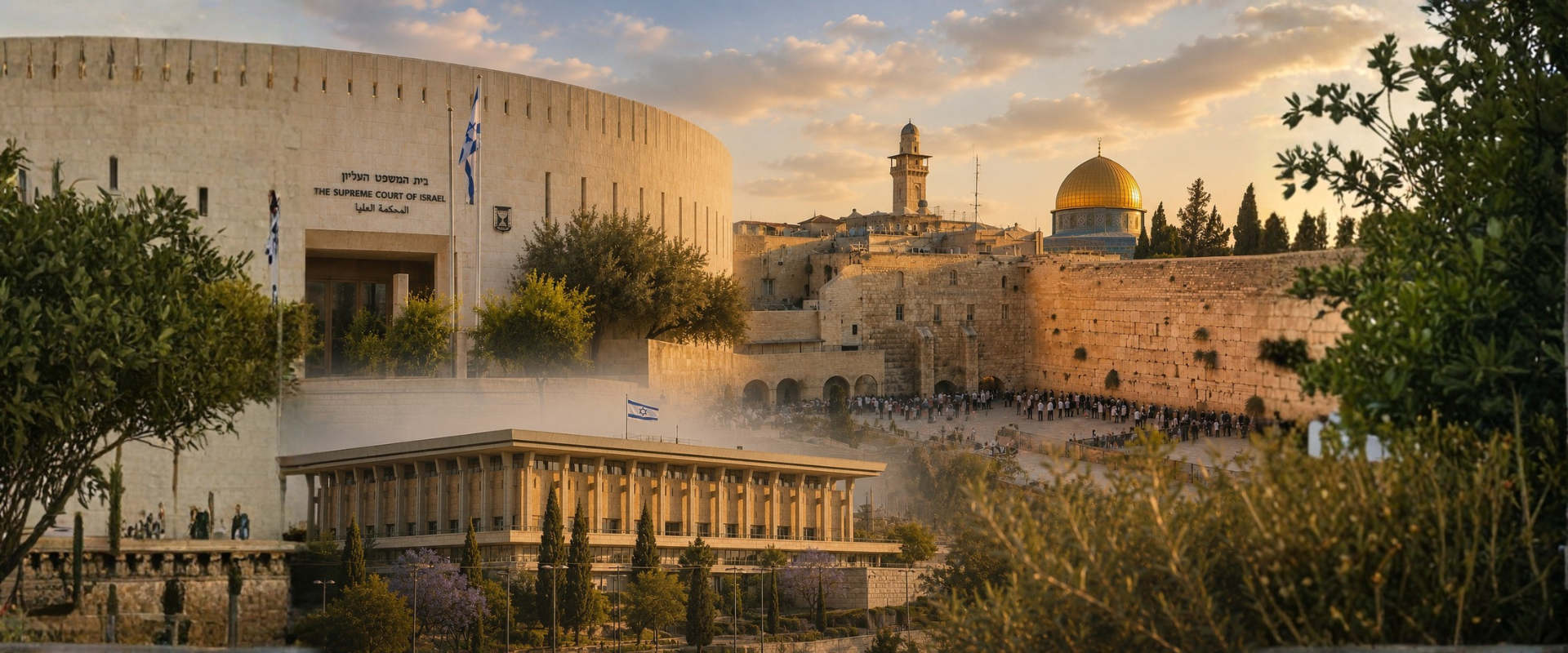
And I thought about the Declaration of Independence of the State of Israel, which took place on Friday, the 5th of Iyar, 5708, May 14, 1948. Ben-Gurion, a relatively old man who was already over 60, had to make a fateful decision against the backdrop of the threatening giants of his time: Syria, Iraq, Jordan, and Egypt, who threatened to invade and fight the young state. He had no divine promise, nor a promise of miracles. But he had a connection to the sources and a vision, and he made a historic decision despite the expected war with the giants.
Sovereignty in the Bible and in today's reality is not granted to a nation on a silver platter. Sovereignty requires the courage to make decisions, faith, and sacrifice.
|
The poet Natan Alterman wrote this in his famous poem: The Silver Platter:
|
She will prepare for the ceremony. She will stand facing the moon.
And she stood, before the day, cloaked in festivity and awe.
Then a maiden and a youth will come out from the other side
And slowly, slowly they will march towards the nation.
Wearing pants and belts, and heavy shoes,
Along the path they shall go, and be silent.
They didn't change their clothes, they didn't wash again in the water
The traces of the day of toil and the night of the fire line.
Tired to no end, monks of rest
and Hebrew dewdrops of youth drip --
The two will approach and stand without moving.
And there is no sign whether they are alive or wounded.
Then the nation, drenched in tears and sorcery, will ask
"Who are you?" she asked, and the two were silent.,
They will answer her: We are the money tray.,
that the Jewish state was given to you.
The young woman and the young man, two warrior figures, announce that they are "the silver platter," meaning the vessel upon which Hebrew sovereignty was granted and established in the land. Their struggle, and also their literal selfless death and conscious sacrifice, is for its sake.
To his right, I will conclude with a quote from Professor Aharon Barak when asked about the protests against the judicial overhaul:
"A people unwilling to fight for their freedom may not be worthy of being a people.
So we have a land and we have a country, but the struggle for its character is not over. Unlike a nation, an individual cannot extinguish within themselves 40 years of old beliefs that prevent them from realizing a vision. We don't have the time for that. I invite you to examine yourselves, to see what was important for you to fight for in your life, to make sacrifices, or to gather courage and new beliefs in order to confront the challenges in your life.
|
|
|