The Book of Leviticus, which we began reading last week, is also known as "The Law of the Priests." The book deals with the service of the Tabernacle: the activities, duties, and roles of the priests, as well as the concept of holiness and the role of the Jewish people as a holy nation.
In last week’s parashah, Vayikra, we read about the types of sacrifices an individual could offer; whereas in this week’s parashah, Tzav, we encounter the laws governing the priests" service in the Tabernacle and their daily duties. The morning in the Tabernacle begins with the cleansing of the altar of all the remains of the sacrifices that were burned on it during the night. One priest is chosen to remove the "trumat ha-dashan,” a small portion of the burnt remains, and place them at the foot of the altar, on the eastern side, facing the rising sun. Afterward, the priests clean the rest of the ashes and carry them outside the camp, to a pure place.
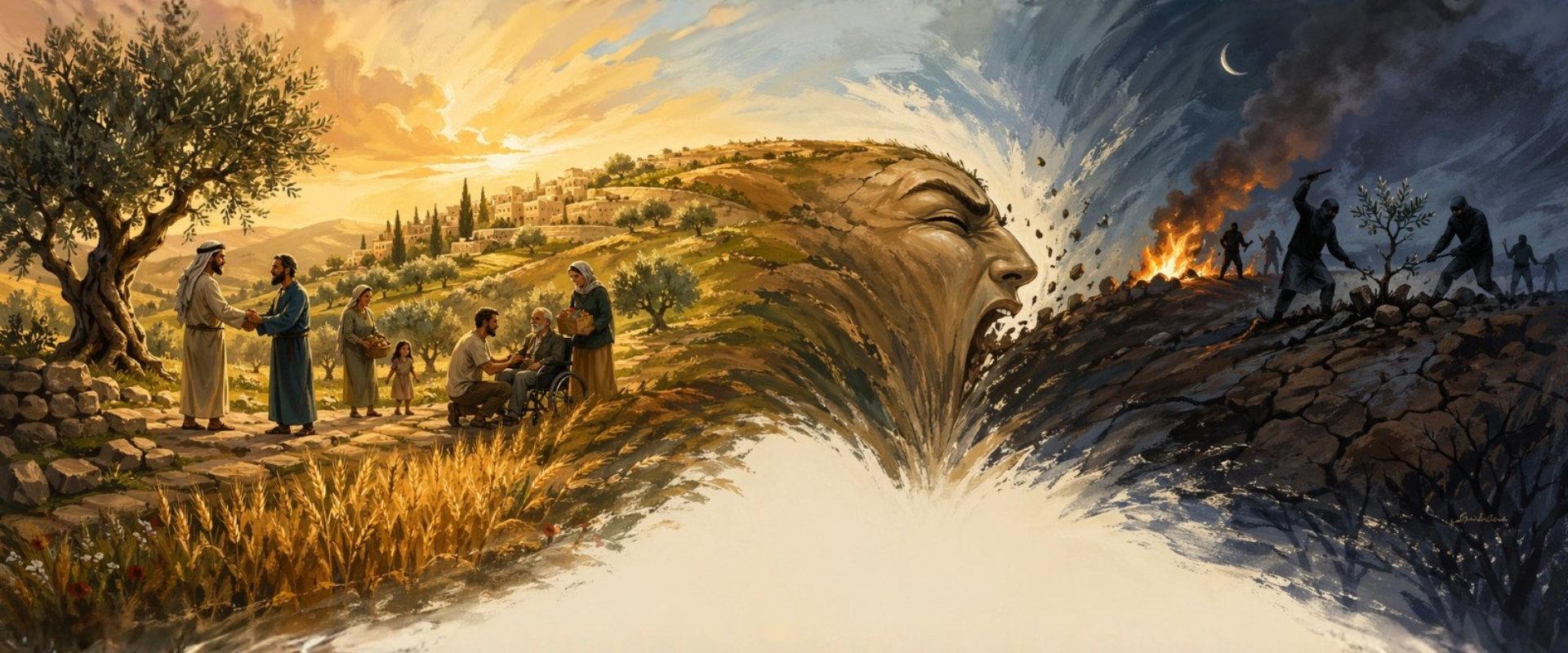
Right from the very first task of the day, a dual movement becomes apparent: there is manure that is brought in—and manure that is removed. There are aspects of the past that we choose to keep close, as a memento and a reminder, and there are aspects of the past that we must clear away to make room for a new beginning. The addition of fertilizer and the removal of fertilizer point to an inner tension: every day is part of a chain of days, of tradition, of generations; and at the same time, it is also a new day, seeking to begin "with a clean slate," with renewed strength and will.
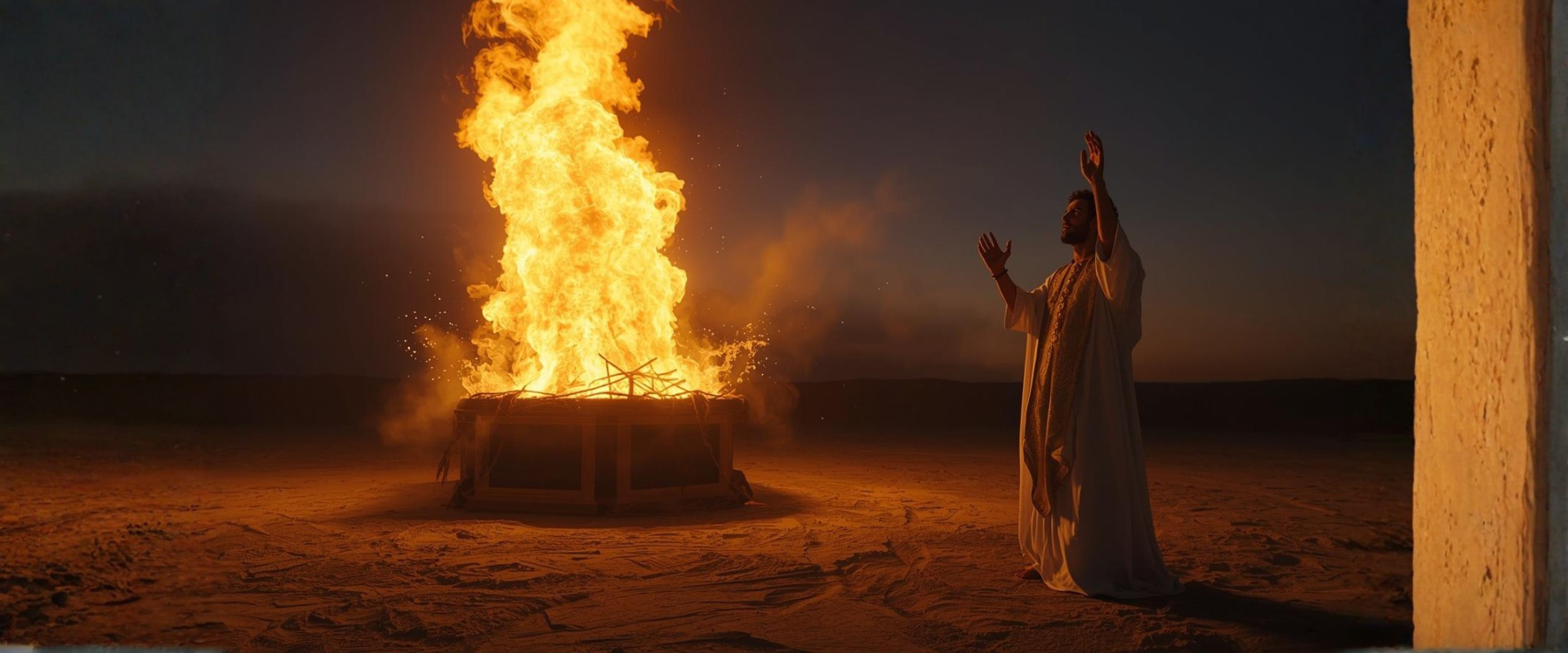
After the grain offering has been prepared, the wood is arranged on the altar, and the fire is kindled in preparation for the morning burnt offering. A fire burns constantly on the altar:
“A fire shall be kept burning on the altar—it shall not go out.” (Leviticus 6:6) On the day the Tabernacle was dedicated, fire came down from heaven and took hold of the altar before the eyes of the people. From that moment on, the fire on the altar is a continuation of that revelation, but the responsibility for it passes to humanity. For even a fire of divine origin requires hands to tend it, to feed it, and to ensure it does not go out. Therefore, there are always glowing embers in the corner of the altar—a fire that must burn constantly.
The eternal flame is a fire of action. It cooks, transforms, and consumes matter. It is part of daily life, of physical, repetitive work—the kind that can sometimes become an automatic habit.
Precisely for this reason, kindling the fire on the altar every day requires the priest to remain fully present in his actions—not merely to perform them, but also to pay attention to what is happening. When an action is performed out of habit, without paying attention, it does not merely take place; it also accumulates.
Every fire leaves behind ashes; every action leaves behind debris. This debris is not merely waste. The act of clearing away the debris teaches us that there are things from the past worth preserving and keeping close by, as a reminder. Clearing away the debris reminds us that not everything is meant to be kept; there are also things to be discarded, to make way for a new beginning.
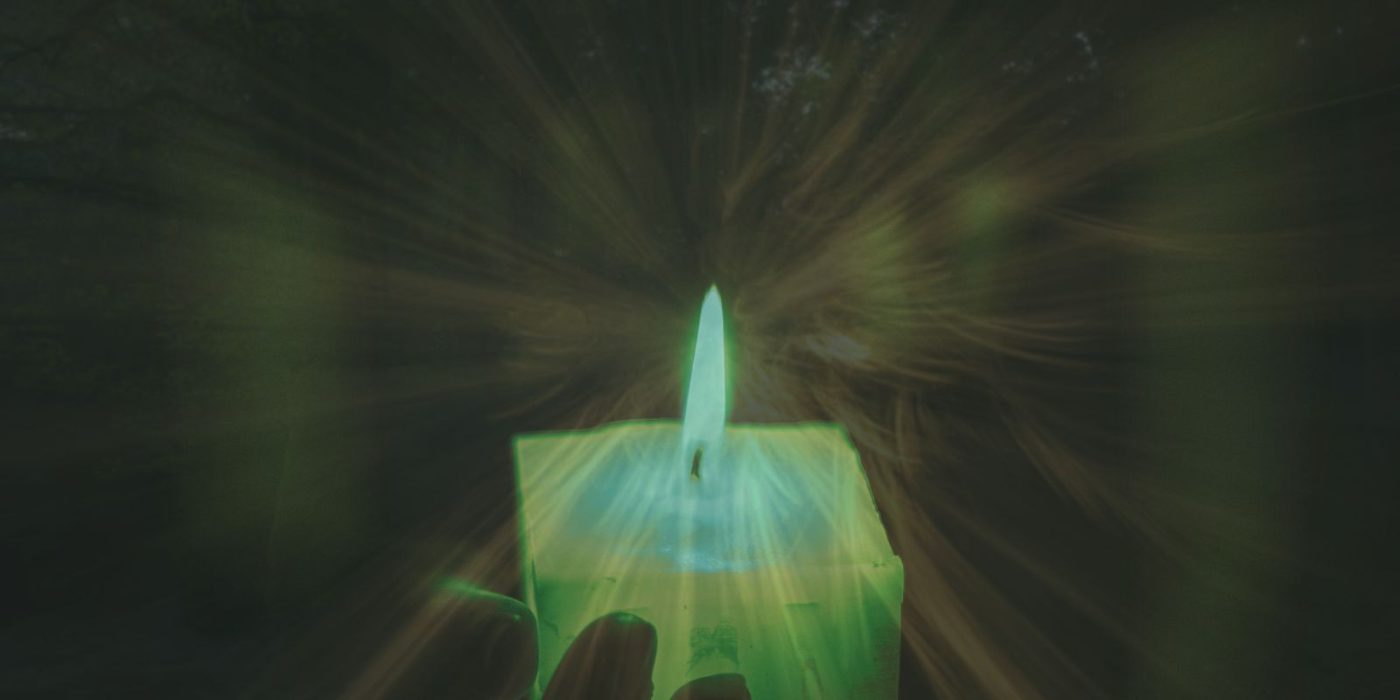
To tell them apart, you need light.
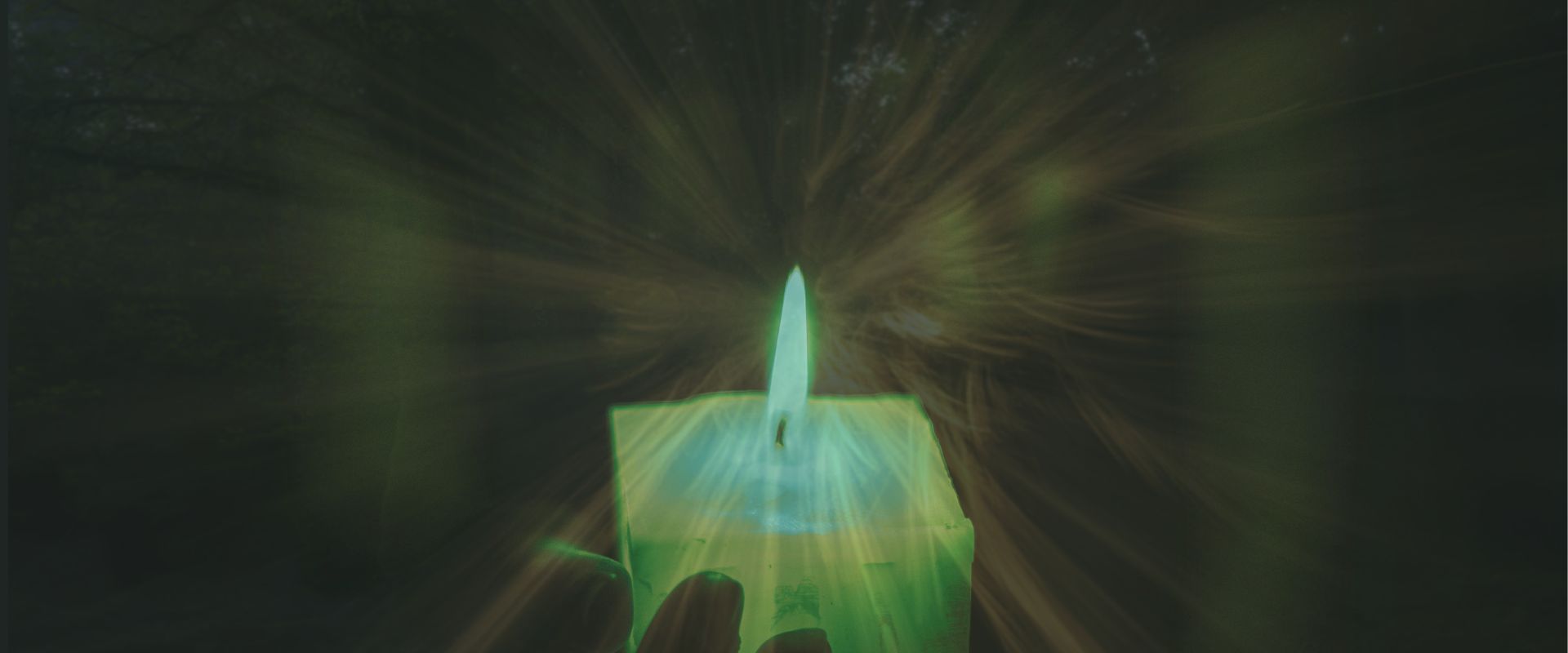
As we gaze upon the eternal flame, we are reminded of the eternal lamp described in the parashah Tetzaveh in the Book of Exodus.
"And you shall commandthe Israelites, and they shall bring to you pure, crushed olive oil for the light, to keep the lamp burning continually" (Exodus 27:20). As part of the preparation of the Tabernacle, the people are commanded to bring pure olive oil to "keep the lamp burning continually." The eternal lamp burns inside the Tent of Meeting, within. It is the westernmost lamp among the branches of the menorah. The priests must ensure that it never goes out, and every evening the other lamps of the menorah are lit from this one. What is the connection between the eternal fire and the eternal lamp? Why must both burn constantly?
The eternal flame is at work in the world, transforming it. It sets a process in motion—but also leaves a remnant behind.
The fertilizer reminds us that life is not just about what we do, but also about what remains with us from those actions.
And the eternal flame—the light that burns within—allows us to return to what remains, to find meaning in it, and to carry on even when the path is not entirely clear.
The light of the eternal flame is a light that does not burn out, but rather accompanies us.
In these days when reality itself is ablaze, and our daily routines are repeatedly shattered, it seems as though fire is all around us. We need a light to illuminate our choice: what from these days will remain with us, and how we will carry what remains. That same light will also enable us to see the good in people, what still functions and is good in our reality, and the light of faith. It is important to know that if the eternal flame goes out, it is rekindled only from the eternal flame itself.
Perhaps we can learn from this that even the gentlest light sometimes needs a spark that comes from action, from the world, from encounters with others. "We are with you, you are not alone"—this is not merely a slogan we shouted to the mothers of the kidnapped, but it continues to be spoken and cried out at other demonstrations where the public seeks to support and empower those whose voices are not heard enough.
May we know how to keep the fire burning: to act, to participate, to be part of it; and may we also know how to tend the candle: to shine, to see, to discern; and may we know, anew each day, what to take from the ashes and what to let go of—and may we have the strength for all of this.
Shabbat Shalom!