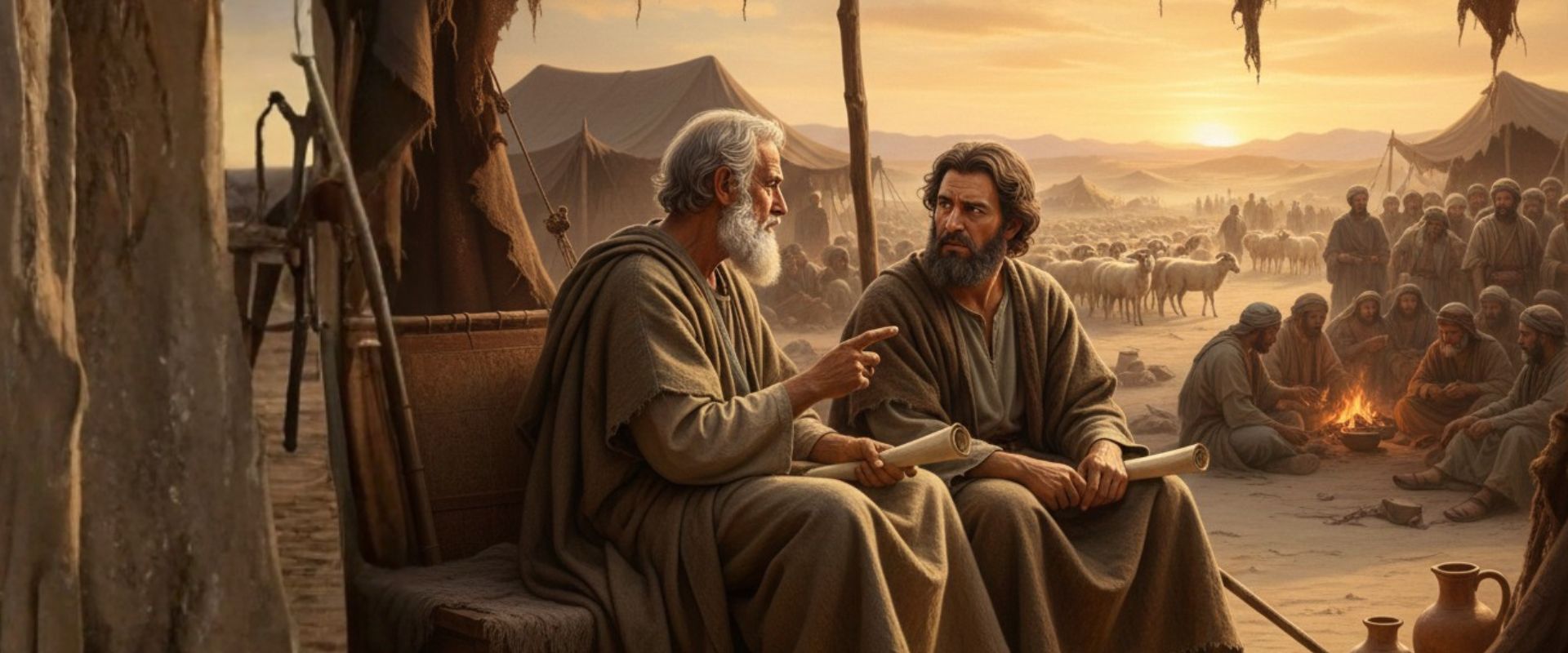
What we read this week in Parshat Bamidbar echoes our current reality. A year and a month after leaving Egypt, the Children of Israel are in the Sinai Desert. Now they are beginning to organize. God speaks to Moses in the Tent of Meeting and asks him and Aaron to take a census of all the congregation of the Children of Israel, according to their families. This is a broad bureaucratic undertaking; each family is assigned a chief of staff, who is mentioned by name.
Whom do they count in the census? Only the males! Twenty years old and above, who are eligible for military service. (This refers to those fit to serve, not those who have completed their service and are leaving the army, as is common in modern Hebrew.) The text provides a meticulous breakdown and summary of the numbers of those counted, the name of the tribe and the families composing it, its structure, and its roles. This census is detailed for each of the tribes: Reuben, Simeon, Gad, Judah, Issachar, Zebulun, Joseph (Ephraim and Manasseh), Benjamin, Dan, Asher, Naphtali... until the tribe of Levi is reached.
Here God gives a completely different instruction: "But you shall not take a census of the tribe of Levi, nor count them among the children of Israel. Instead, you shall assign the Levites to the tabernacle of the testimony, and to all its furnishings, and to all that belongs to it. They shall carry the tabernacle and all its furnishings, and they shall serve it, and they shall encamp around the tabernacle..." (Chapter 1; 49-50)
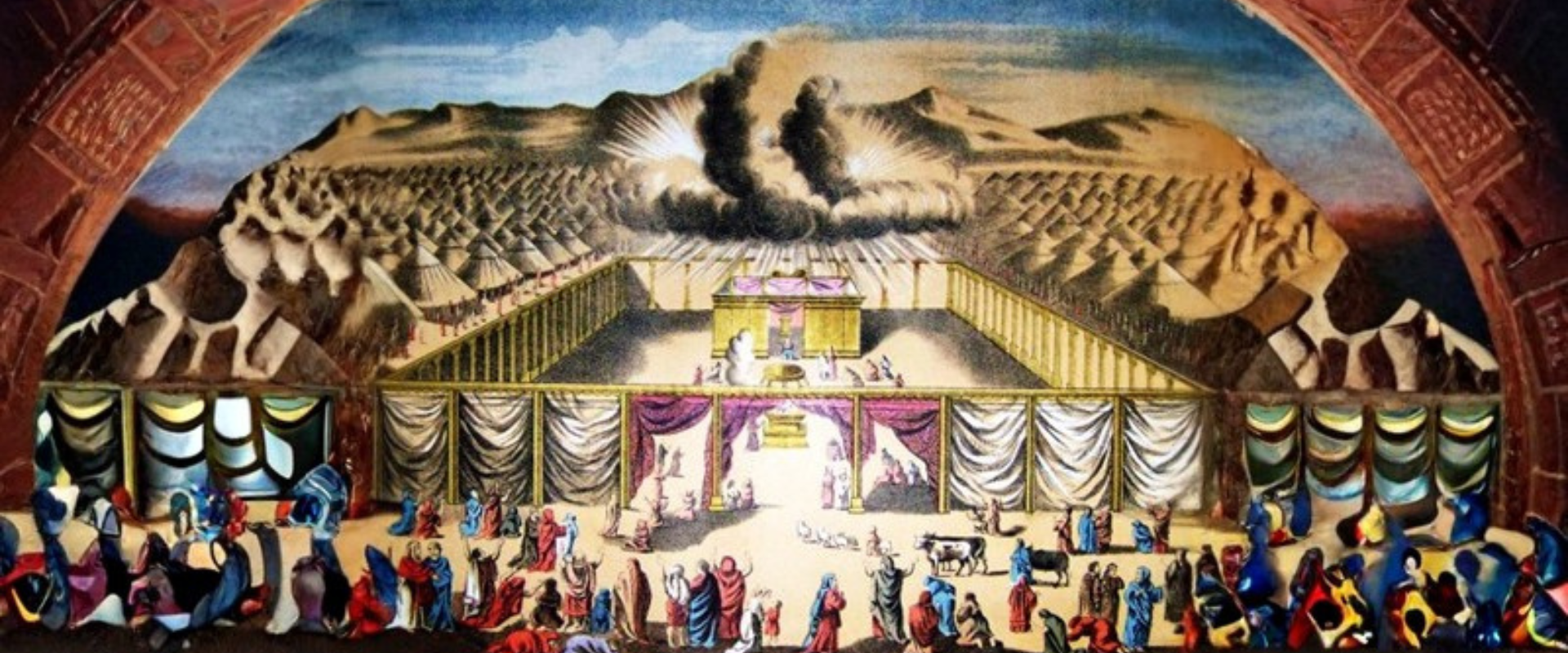
The Levites receive a different task, not one for army veterans. The descendants of Levi are entrusted with the Tabernacle; they must carry the Tabernacle and its vessels and are obligated to camp around it and serve in it. Any descendant of another tribe who approaches the place will die.
The Children of Israel accept the decision and organize themselves for camping. Each tribe is marked by its own flag and receives instructions on where to camp.
In contrast to the census of the rest of the Israelites, the census of the descendants of Levi is detailed by their families: Gershon, Kehath, and Merari. And from which tribe? They are counted not from the age of twenty, like the rest of the Israelites, but from one month old. The text specifies precisely the role of each family and where they are encamped to guard the Tabernacle. The descriptions of their duties for sacred use are numerous and beautiful: they removed ashes from the altar, covered it with curtains of blue and badger skins, and mentioned are censers, forks, and various vessels for carrying out the task. The extensive detail suggests that this was a very important task, but it was also dangerous. God commands that the descendants of Kehath be protected so that they not be struck down for approaching the Tent of Meeting in the Holy Tabernacle.
Let's bring this up to the present day. Do you think modern-day Haredim see themselves as if they, like the tribe of Levi, have been exempted from the obligation of military service that the rest of the Bnei Yisrael have? Is the root of the matter here, in the Parashat Bamidbar? Do Haredim today believe that they, and only they, have been entrusted with the role of guarding the Bnei Yisrael, the work of the Mishkan, the Torah, and God? In your opinion, is the task of preserving the heritage of the people of Israel solely in their hands?
I want to suggest that we, the Zionist sons of Israel, also have a significant role in preserving heritage and preserving the people of Israel. Lift your heads and stand tall!
Today's Zionists revived the existence of the people of Israel in their land: we have become, for example, "Bnei Dan," people of "Mateh Asher," "IDF veterans." Zionists brought the Hebrew language back to being a spoken language, thereby preserving the Hebrew tradition, which also allows us all to read the Bible in its original language and keep the Torah as a foundational text in our lives. And also – the Zionist Jews returned the use of beautiful Hebrew names that we encounter here in the Parashah of Bamidbar: Nachshon, Amminadab, Nathanael, Eliab, Elizur, Zuriel, Elisaph, Ammihud, Pedahzur, Abidan, Nadab, Abihu, Labani, Gersoni, and many, many more...
So, in my opinion, the preservation of the heritage of the Children of Israel and the people of Israel is also in our hands, the Israeli Zionists of the twenty-first century. With all due respect.
At the same time, my true hope is to reach a comprehensive understanding that every tribe in the people of Israel has a role in preserving our heritage. The whole is indeed greater than the sum of its parts. We must find the connector, the common good, or at least strive to reach it.