On Shabbat Chol HaMoed Pesach, it is customary to read the Song of Songs. The connection is less obvious than the Book of Esther on Purim, and the custom is relatively recent – (it first appeared in the Vitry Machzor (Rabbeinu Simcha, a student of Rashi) – mid-12th century) – nevertheless, let us focus on this connection.
Among all the books of the Bible, Song of Songs is perhaps the most surprising. A book in which it is not at all clear if there is a single word about God. A book over which the Sages argued whether it sanctifies the hands – meaning, whether it is holy enough to be included in the Holy Scriptures. And Rabbi Akiva, who ruled as law that it is, not only said yes, but added a statement that admits no ambiguity:
"All Scripture is holy, but the Song of Songs is the holiest of the holy." (Mishnah Yadayim 3:5)
Not just holy – but holy of holies. The highest level. And not only that, but they used to recite it specifically on Passover, on the Seder night, on the festival of redemption. So why the Song of Songs on Passover?
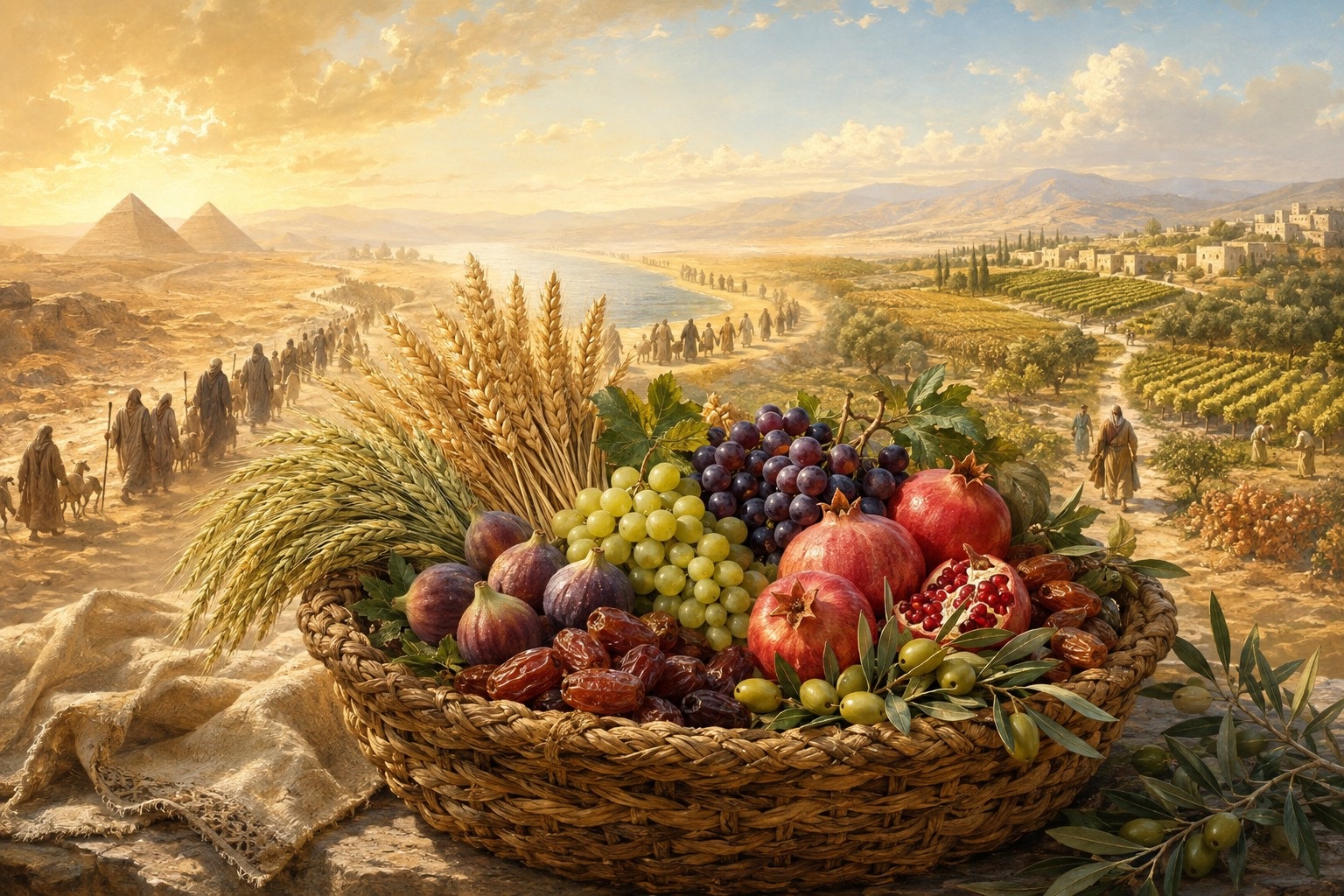
The most common reason is simple: "Because most of its verses allude to the Exodus from Egypt." Thus writes the "Haggadah Beit Levi." Rashi and Midrash Rabbah open almost every verse in the song and find in it a hint to the journey in the desert, to the faith of Israel, to the giving of the Torah.
And there is, of course, another, deeper reason, concerning the relationship itself between God and the people of Israel. The Sages viewed the three pilgrimage festivals as three stages of marriage: Passover - the time of "engagement" and "betrothal," when the enslaved people suddenly went out into the desert "after" their beloved. Shavuot - the giving of the Torah, the official "betrothal": "We accepted upon ourselves to live according to one ketubah." Sukkot - the chuppah, the entry into shared life under one canopy.
And if so – the Song of Songs, the love song between David and his wife, is also the love song between the Holy One, blessed be He, and the Congregation of Israel. And Passover is the moment when this love began. What could be more fitting than reading this love song at a moment of beginnings? "Remember your youthful love, your marital love, your following me in the wilderness, in a land not sown..." (Jeremiah 2:2)
But beyond the commonly accepted metaphorical reading, I want to dwell on one verse from the book, which serves as an additional key:
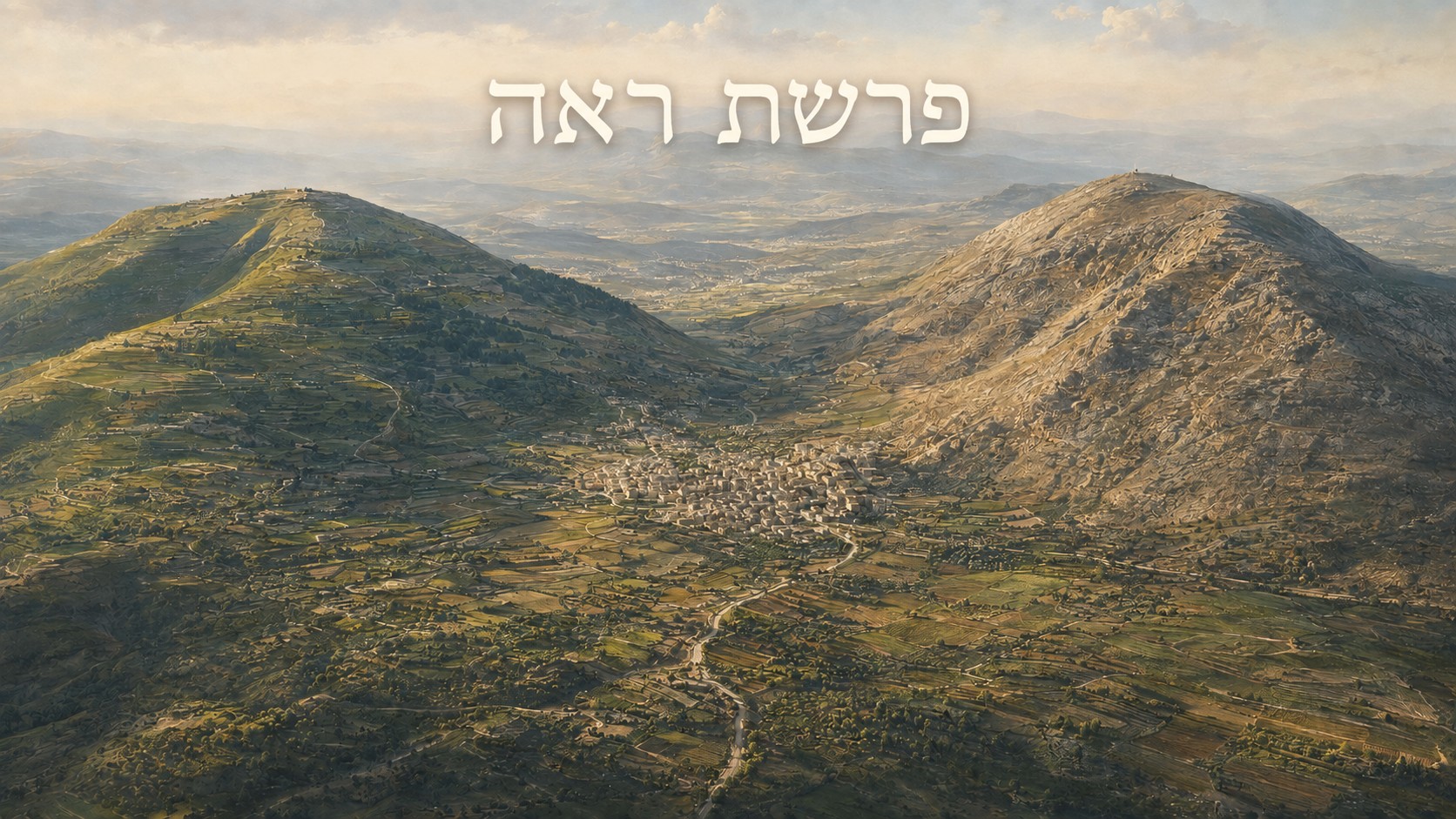
"The voice of my beloved! Look, he comes, leaping over the mountains, bounding over the hills."
(Song of Songs 2:8)
The Midrash interprets this verse as a hint to the redemption: The redeemer does not arrive slowly, does not climb a ladder step by step. He skips. He leaps. He arrives all at once. And Rashi, on a closer verse, explains: "He runs and comes to redeem us, as if overcoming the high mountains so they will not hinder him."
And I believe there is a major innovation here. We are accustomed to thinking of change as a process. Of redemption as a gradual progression. Of correction as something built slowly, patiently, step by step. And that is true at times. But the Song of Songs teaches us that there is another kind of change: a change that leaps. That skips. That comes from a place we did not expect, and at a speed we did not believe possible. The Exodus itself is a living illustration of this. Two hundred and ten years of slavery. Generation after generation. And then—"On this very day they went out." Rashi writes on this verse: "The Scripture did not delay even for the blink of an eye." When the moment comes—it comes in an instant.
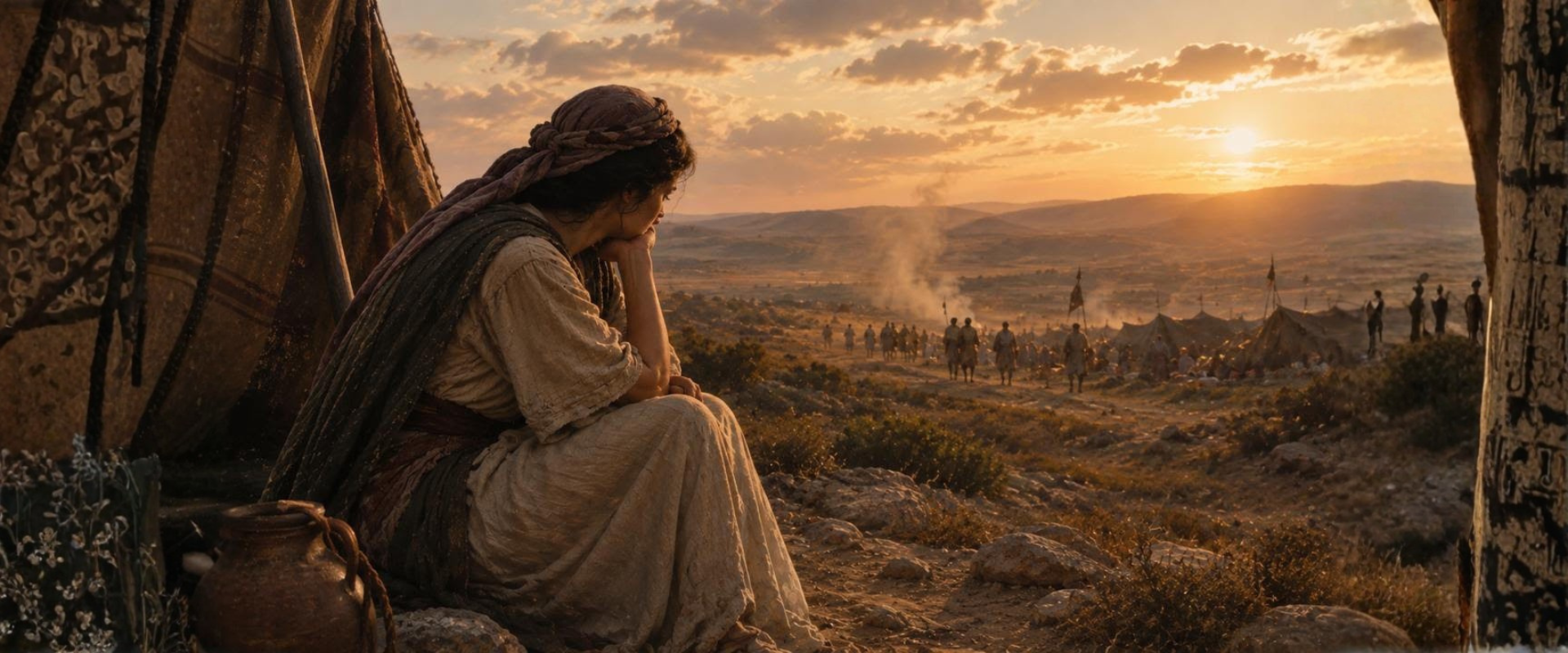
We are celebrating this Passover during a heavy year. War follows war, with casualties, wounded, worn-out, worried, and tired people. Corrupt leadership that divides the people, legislates laws to empower itself, and this week a law that truly discriminates between blood and blood, turning a blind eye to lawbreakers, and the list goes on. The pain is not over. And there are moments when it's hard to believe that things can be different, that the situation can change, that the other side of this pain is near.
And therefore, specifically Song of Songs, and specifically this verse, are a gift. Because the verse doesn't say, "After a long and grueling process, after you complete all the stages, your beloved will arrive." It says, "The voice of my beloved! Behold, he comes." Behold. He. Comes. Present tense, a sense of closeness, a sense of suddenness. The mountains that are leaped over – they don't disappear. They are still there. The hills don't crumble. The difficulty doesn't deny itself. But leaping over them is possible. The change doesn't have to go through every mountain and every hill – it can surmount them. Times change. Often surprisingly. By skipping stages, by "leaping over the hills." Of all the blessings I received for the holiday, the one that most struck me was a very short blessing from our friend Steve Stolman from New York, who will be celebrating his 95th birthday in a few weeks, and has already been through many things in life.
Stay Safe. Stay Strong. Have Faith. Times Will Change. You are not alone. Have a Good Passover
Times will change. This does not mean not to advance the change and sit with folded hands, but rather to believe that the pendulum of life, and also of the lives of nations, "leaps over the mountains and climbs the hills.".
And I wanted to share another simple thought: "Shir HaShirim" – which can also be read as "a song to songs," a song that sanctifies poetry itself. Music is one of the most ancient tools people have to cultivate hope within themselves. Not through argument, not through sight, not through explanation – but through melody. Rabbi Nachman of Breslov said there is no remedy for sadness like joy, and no tool for joy like a melody. And throughout our history – in exile, in bondage, in hardship – we sang. We sang because the melody reaches places words cannot.
And in this sense,.
The Song of Songs opens with a question: "Let him kiss me with the kisses of his mouth." A direct, personal, touching plea. The Knesset of Israel turns to her beloved and says: Come. Here I am. I am here.
This Passover, we too can stand with this plea. Not out of perfection, not out of confidence that everything is already okay – but out of the belief that the beloved is leaping over the mountains toward us, that change can come suddenly, and that the melody we will sing tonight invites him to come. "The voice of my beloved, behold, here he comes."
Shabbat Shalom and happy holidays.