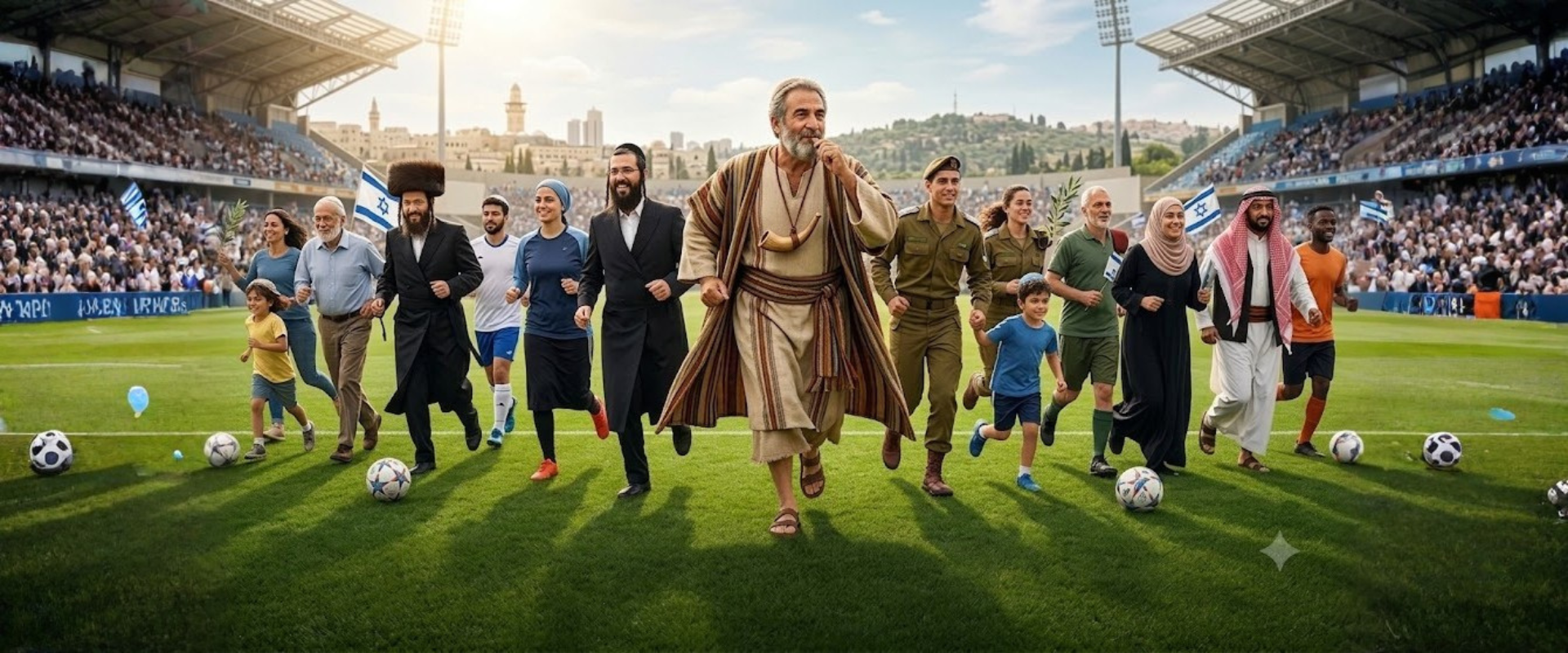
What kind of leaders would we like to have today??
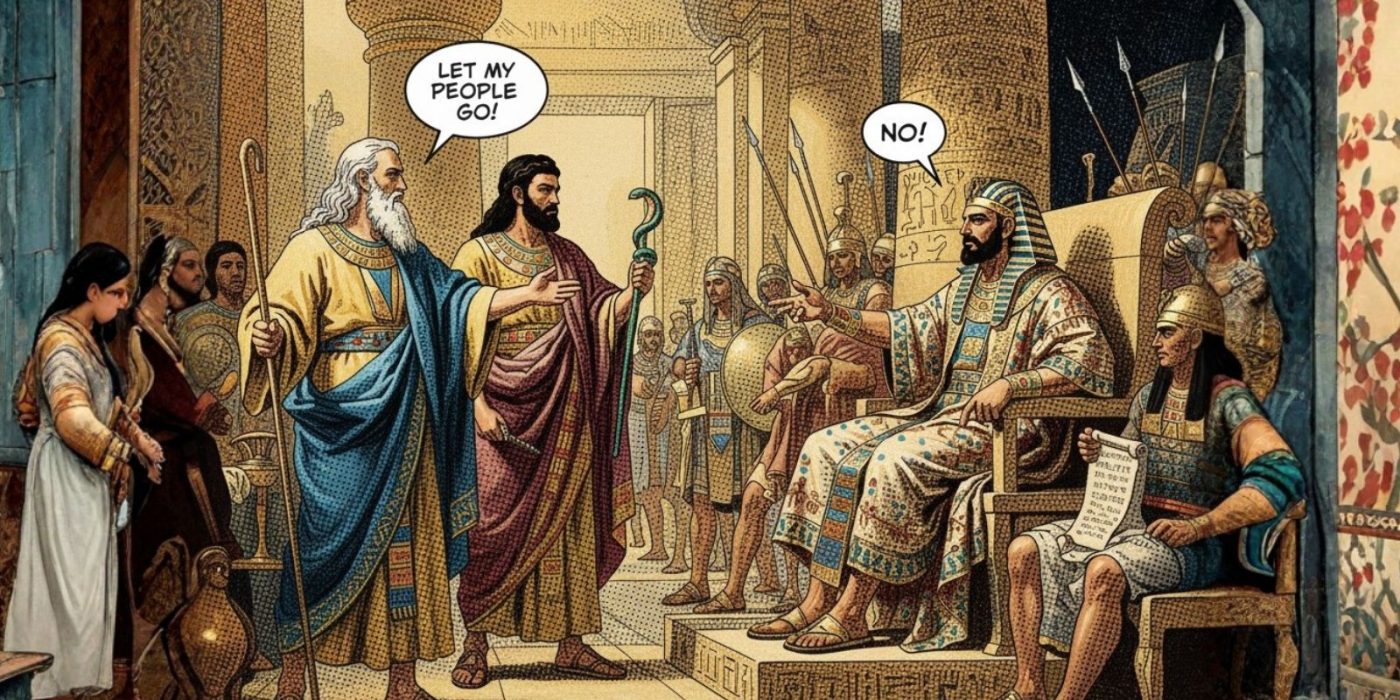
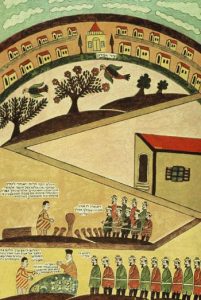
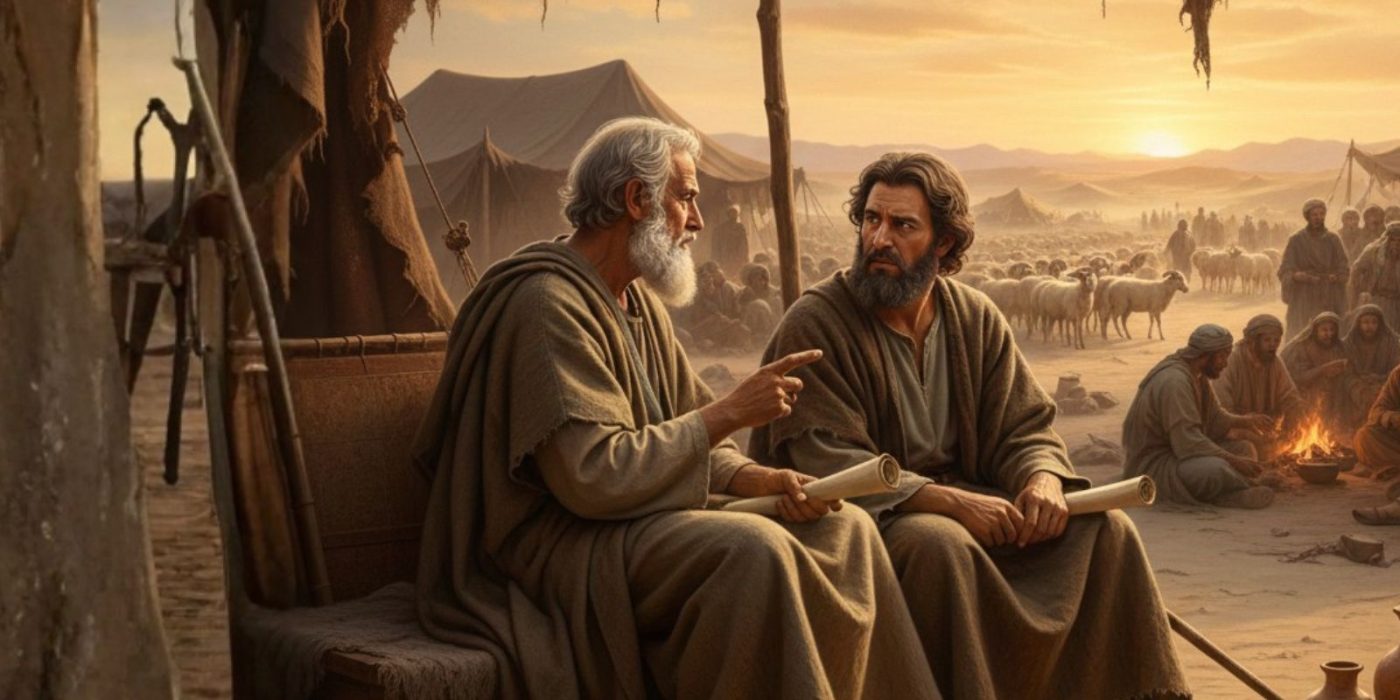
The parashah of Yitro has two main parts. In the first part, Yitro comes to visit Moses, together with Zipporah and their two sons, Gershom and Eliezer. He is received with honor by Aaron and the elders of Israel, and watches Moses sitting and judging the people from morning until evening. Yitro's advice to Moses is to appoint judges – "officials over thousands, officials over hundreds, officials over fifties, and officials over tens" (Exodus 18:21) – who would handle day-to-day matters and allow Moses to focus on the main issues.
The second part of the parashah describes the events at Mount Sinai: the people are commanded to sanctify themselves, wash their clothes, and not touch the mountain, and Moses ascends the mountain and receives the Ten Commandments. Additional instructions are then given regarding the prohibition of idolatry, the construction of altars, and modesty in the work of the priests.
Yeshayahu Leibowitz wrote that "the central theme of the Yitro portion is Mount Sinai, the giving of the Torah, and the Ten Commandments... and it is doubtful whether anything new can be said on the subject of the revelation of the Divine Presence, the giving of the Torah, and the Ten Commandments.".
Therefore, I have chosen to focus specifically on the first part of the parashah: Jethro's advice to Moses, and the question of leadership and judgment.
Before continuing, please take a pen and paper and write down the qualities you consider important in a leader or judge..
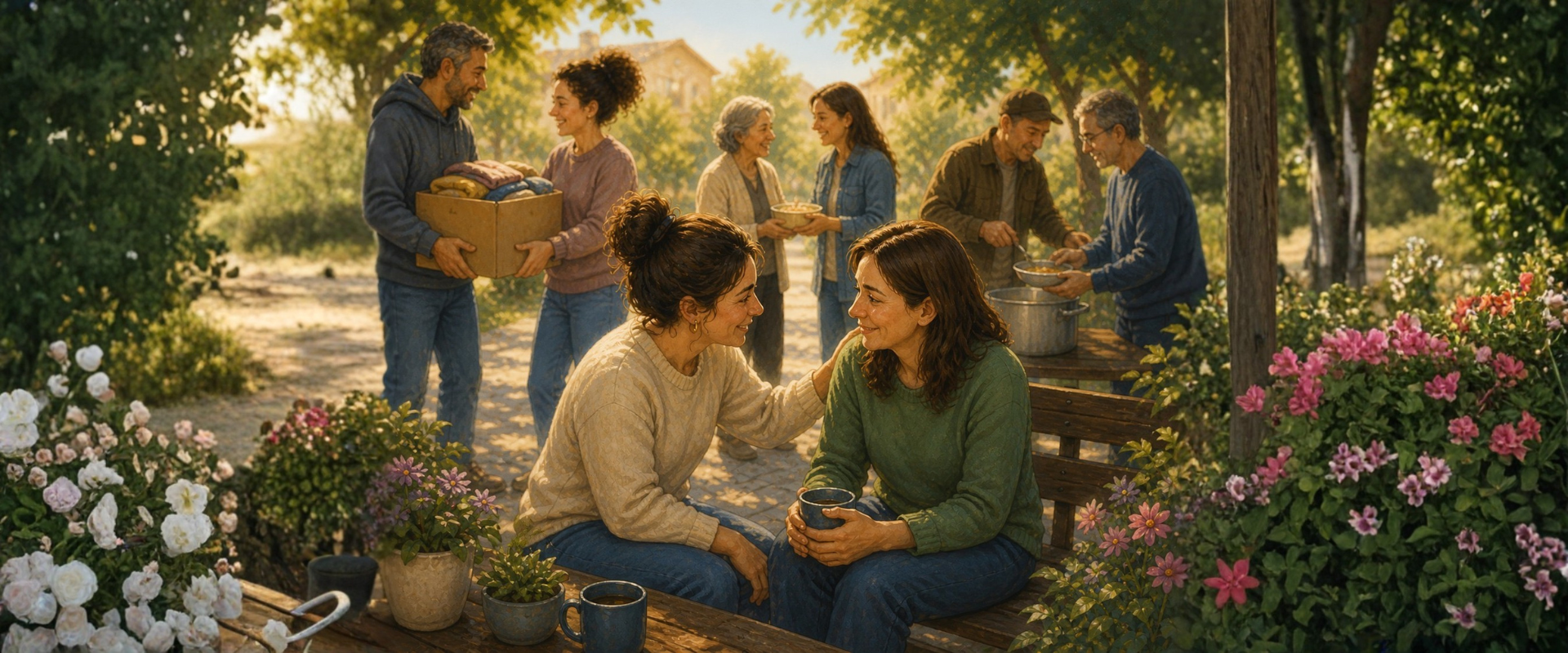
Jethro suggests that Moses choose "men of valor, men who fear God, men of truth, men who hate covetousness." The leaders who are chosen are not prophets who speak the word of God, but human beings who act based on human qualities and natural limitations. The Sages understood that the Torah "is not in heaven," and that it must be translated into practical life through human leadership, and therefore emphasized the moral and intellectual qualities required of judges.
It is easy to understand the meaning of "men of truth" and "haters of greed." Fear of God is a belief already described in the story of Abraham in the parashah Vayera. But what does "men of valor" mean? The Midrash explains that these are active people, people of action, not idlers. Similar to the "woman of valor" in Proverbs 31 – a figure who acts, leads, and cares for her home and community. Thus, it becomes clear that the Torah, which was given from heaven, needs to be realized through human intervention on earth and proper leadership.
A generation later, in the Book of Deuteronomy, Moses returns to describe the appointment of judges, but lists different qualities:
"Wise, understanding, and knowledgeable men from your tribes" (Deuteronomy 1:12–13).
Three additional characteristics are added here: wisdom, intelligence, and familiarity with the community—those who are known and recognized by it, and therefore influential.
The addition of these three characteristics in the Book of Deuteronomy joins those of Jethro, and in the Midrash they are combined into a single list of qualities required of the leaders of the people.
Thus, Chazakuni (Rabbi Chazakiah ben Manoach, 13th century) lists seven qualities for a judge: wise and knowledgeable, men of valor, God-fearing, men of truth, and haters of greed.
Why do they not all appear together in Moses' words?
Perhaps this is to teach us that there is no single model of leadership, or perhaps because it is very difficult to find leaders who possess all of these qualities together. It is said that if all seven qualities cannot be found, four or three will suffice, but one quality cannot be waived: men of valor.
Rabbi Bachai (Rabbi Bachai ben Joseph ibn Pakuda, 11th century) adds an important layer: the righteous and prophets in the Torah are not described in terms of wisdom or knowledge, but in terms of character traits. Noah is "a righteous man, blameless," Abraham "was blameless," and Moses "was very humble." It is not knowledge that is essential, but integrity of character and way of life.
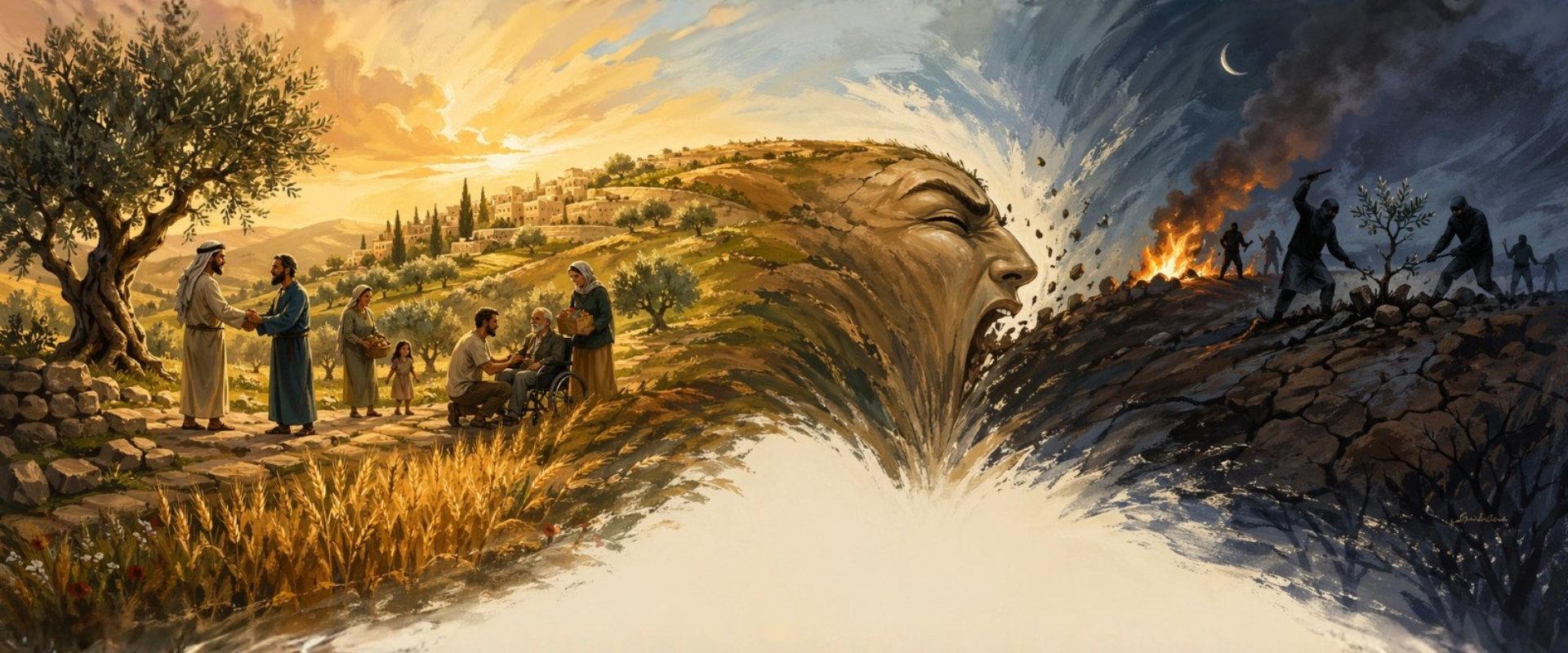
Here, a central insight of the parashah becomes clear: the Torah does not seek perfect leadership, but rather worthy human leadership. Not charisma or genius, but responsibility, humility, and good character. Thus, even before the giving of the Torah, the parashah of Yitro presents a sober model of leadership—one that knows how to operate in a complex world, with compromises, limitations, and daily decisions.
This raises a question for us, as individuals and as a community, here and now:
How many of the qualities you chose overlap with the seven qualities listed in the Torah? And how many of the qualities you wrote down do you recognize in our leaders today?

- Weekly Torah Portion