
- Weekly Torah Portion

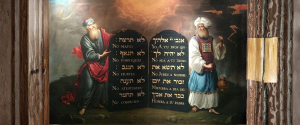
The relationship between Moses and Aaron was completely different from the dramatic stories of brothers in the Book of Genesis, which are characterized by rivalry, murder, arrogance, a struggle for primogeniture, the sale of a brother, revenge, and reconciliation.
Moses and Aaron were not just brothers. They were a team. Their goal was to lead the Israelites from slavery to freedom. Although God chose Moses to lead the people, he needed Aaron to stand by his side and help him convey the message. To do so, the synergy and cooperation between them had to be perfect. And for many years, it was. Moses and Aaron worked together as a team.
Then came the breaking point, or the change that took place in the cohesive team. In this week's Torah portion, Tetzaveh, we begin to see a separation between the two – while Aaron and his sons are invited to continue serving God through the priesthood, Moses' children are left without a specific leadership role in this new phase of the Israelites' lives. Moses does not yet know it, but he is not expected to lead the people as they enter the Land of Israel. In contrast, Aaron and his descendants will continue to be a spiritual pillar of the Jewish people from this point onward. This change is even reflected in the text itself in a literary gesture – Moses' name is not mentioned even once in the parashah.
Nevertheless, Moses' presence is still felt, albeit in a new and different way. Moses is asked to supervise the preparation of the magnificent priestly garments. This demand is further emphasized when God commands Moses to elevate his brothers and nephews to their new status. Unlike the other tasks that Moses delegated to the craftsmen, this transition is presented as a commandment that God gives to Moses himself – 'and you" – and which only he can fulfill.
When God commands Moses to bring Aaron and his sons before Him to serve as priests and ordain them to their new role, Aaron is repeatedly referred to as 'your brother," reminding us that their brotherhood and partnership was the "trademark" of their relationship for many years.
I felt a twinge in my heart. What did Moses think when he anointed his brother and nephews to the priesthood? Or rather, what did he feel? Was he able to fulfill his role as a loyal brother and rejoice for his brother, Aaron, who had finally been recognized as a leader in his own right? Did jealousy pierce his heart, even for a moment, or a sense of loss, when he realized that his brother Aaron, who until then had been his supportive partner, would now leave him and enter a new phase of sacred service, while he would not?
I want to believe that Moses, in his great wisdom, embraced change and understood that their many years of working together as a team had prepared them precisely for this moment. As a prophet, teacher, and leader, it was surely clear to Moses that he needed Aaron and his support in his early years, when he first took on the role of leader, and that now the time had come for Aaron and his sons to forge a new path for themselves. This brief episode in our parashah sheds new light on Moses and his leadership, teaching us that sometimes it is the simple ability to make room for others that demonstrates our true leadership and our capacity for teamwork.
On a personal note, I recently accompanied my sister, who is 20 years older than me, who is hospitalized due to a health crisis. It was a challenging situation for me that stirred up mixed feelings, because in the past there had been a lot of tension between us over the issue of "firstborn status," and we hadn't really managed to have a dialogue about our differences. .
Difficulty can separate, but it can also unite.
Many families are destroyed and torn apart by inheritance and will disputes and are unable to maintain family unity.
How do you build family resilience? How do you strengthen relationships of openness, mutual respect, and mutual support within the family? This is a challenge that every family faces, and it is also a challenge that each of us faces in the choices we make based on our beliefs, values, and, above all, the understanding that even if you invest, you will not always receive a return or gratitude.
Sometimes we discover leadership in small ways, like Moses, based on our values: for the sake of the goal, for the sake of building, for the sake of family, and we must accept the meaning from our actions without expecting anything in return.
Finally, I would like to recommend a moving film called "Moving Mountains" (in English, DJ Mehmet).
which describes, among other things, the relationship between two brothers who live in a village in northern Macedonia and have lost their mother.
And so they comfort each other: "Mom said that when things get tough, it's better to be together."
Shabbat Shalom!

Acknowledgements:
I drew on an article by Dr. Julie Lieber of the Lindenbaum Midrasha, whose words aptly captured and expressed my thoughts.

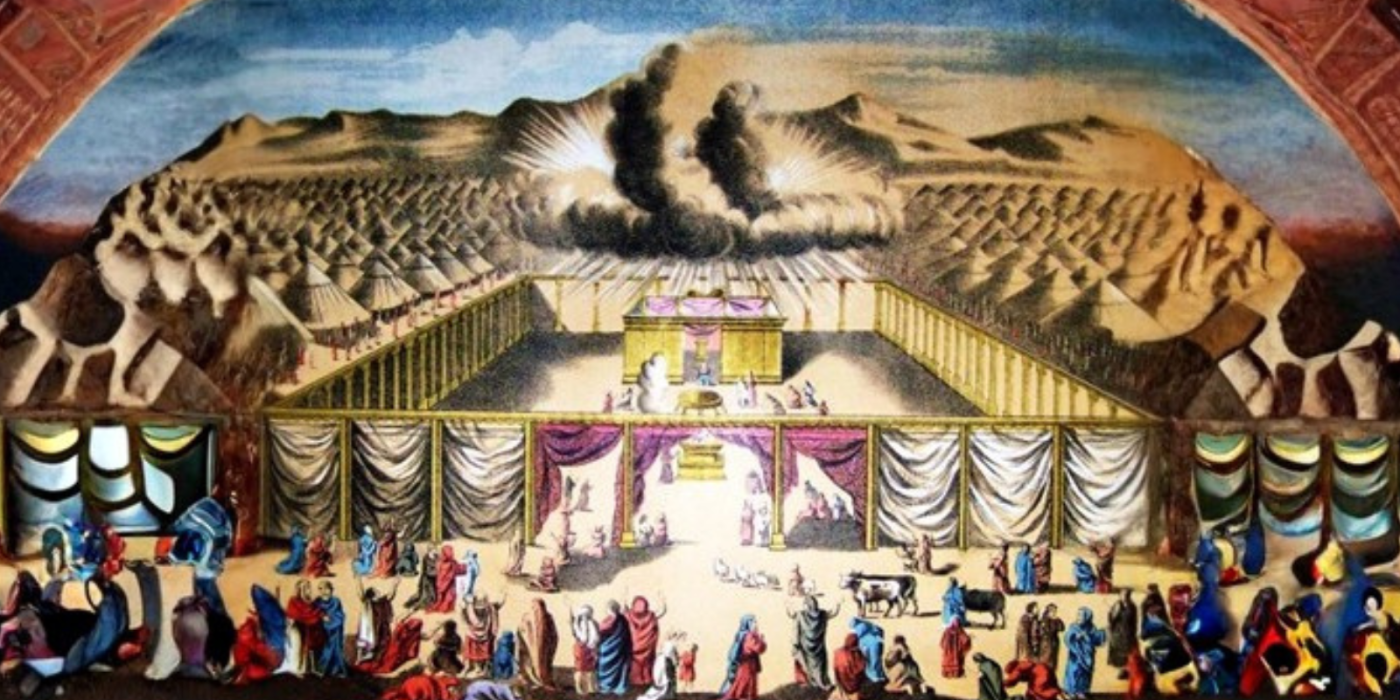
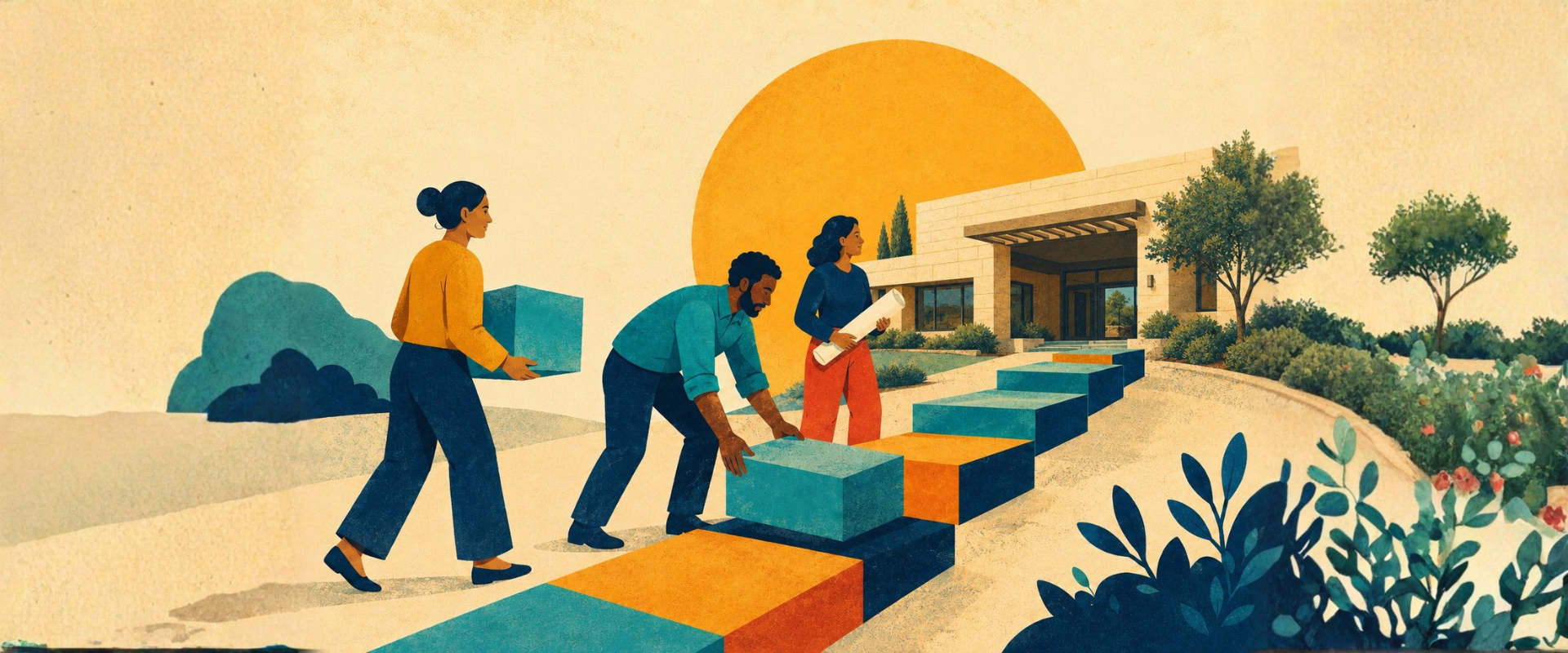
The Torah portion Terumah opens with the commandment: "And they shall take for Me an offering from every man whose heart moves him... and they shall make Me a sanctuary, and I will dwell among them." God asks the Israelites to build Him a home. According to Rashi and many commentators, this commandment came chronologically after the sin of the golden calf – after the tablets were broken, after trust was shattered. It is precisely then, in a state of brokenness, that the commandment to build something together comes. And the question that preoccupies me today is: How do you build something together when everyone wants a different "dwelling place"? When each camp sees "holiness" in a different place?
Two points from the episode
The passage offers two key points that may help us think about this question: The first point: "among them" – not "within it." God does not say, "I will dwell within it" – within the structure. He says, "I will dwell among them" – among the people. Holiness is not found in the physical structure, in the institution, in the Holy Ark itself. It is found in the connection between the people who build it together.
This is an important point: the temple may be perfect in its details—in gold and silver, in blue and purple—but if it does not live within the people, if the connection between them is broken, then the holiness disappears.
The second point: "From every man whose heart prompts him to give." The Tabernacle was built solely from voluntary donations. No taxes were imposed, no coercion, no obligation. "Whose heart prompts him" – those whose hearts move them to give.
And what is exciting is that everyone contributes. The rich give gold, the less wealthy give silver, and those who do not have much give copper or cloth. There is no hierarchy of contributions—everyone builds the shared tabernacle.
The Tabernacle and the Sabbath – Two Sides of the Same Coin
This year, we are studying "Shabbat of Freedom" at Beit Tefilah – an attempt to chart a new Israeli path for Shabbat. Not a Shabbat of legal coercion, nor a Shabbat that becomes just another day of shopping and consumption, but a Shabbat as a space of true freedom – freedom to pause, to return to ourselves, to be with family and community. There is a deep connection between the Tabernacle and Shabbat. If Shabbat is "sanctuary in time," then the Tabernacle is "sanctuary in place." Both require the same thing: free choice. The Tabernacle was built out of generosity – not because someone forced the people to do so, but because their hearts "spoke." And the Sabbath, as we try to rethink it, must be built from the same place: not because someone forces me to, but because I want to be a part of it. This is "freedom for something" and not just "freedom from something" – as we are learning these days: true freedom is not just freedom from chores, but the free choice to give meaning to our shared space.
And today – where are we??
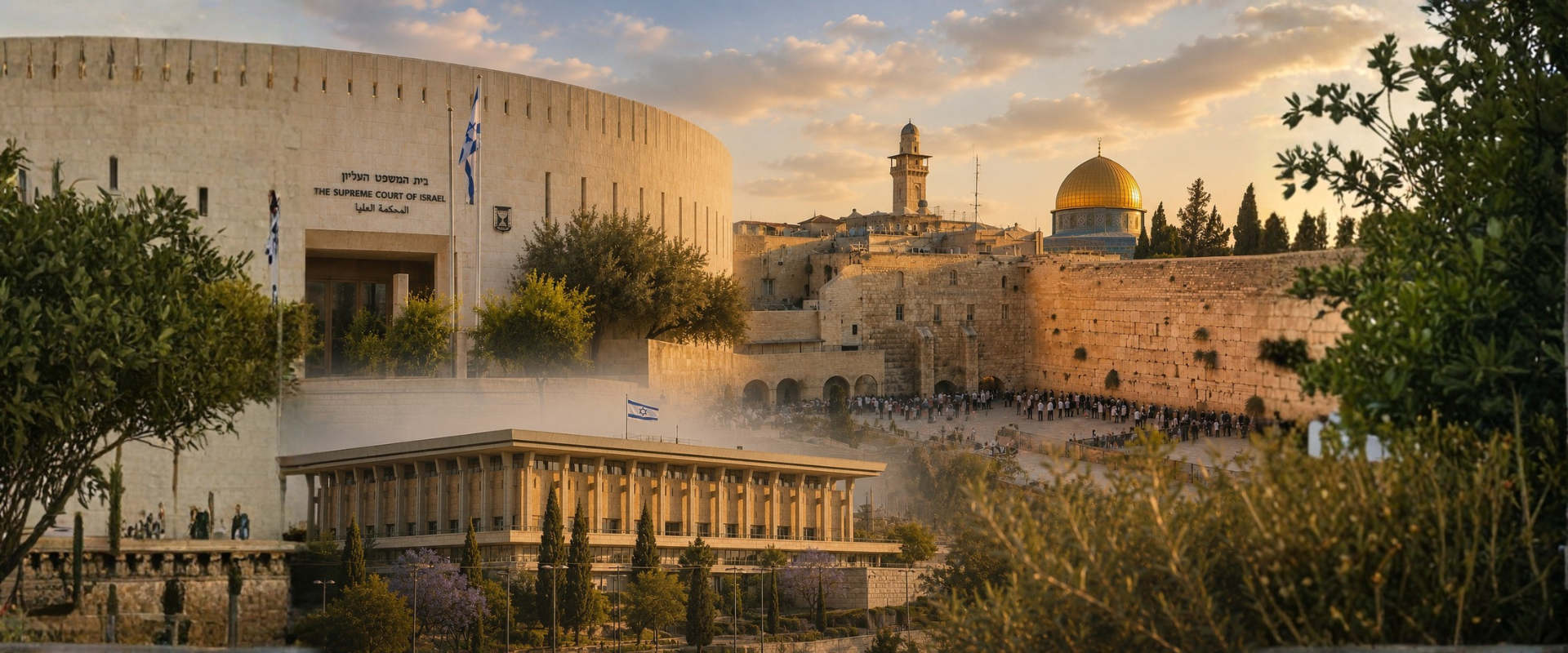
When I think about Israel today, I see a society that is struggling to find its holiness. Where is our "tabernacle"? Is it in the Knesset? In the Supreme Court? In the army? In the synagogue? Each camp points to a different place and says, "This is our holiness." And there are heated debates surrounding the most basic questions.
The Draft Law – Who Contributes to the Common Tabernacle? Do All Contribute, or Only Some of the People?
Separation of powers – what is "holy" and what is "most holy"? Who guards the boundaries between them?
The upcoming elections – each camp offers a different "Tabernacle," a different vision for the country, for society, for the future. And there is a crisis of confidence in institutions, in leadership, and sometimes even in each other.
So what do we do??
I don't know the answer. I'm not sure there is a simple answer. But the starting point is to remember two things.
First, holiness is "within" – in the connection between people, not in the institution itself. Perhaps instead of focusing only on institutions – which Knesset? Which court? Which army? – we should ask where we truly meet? Where do we feel that we have something in common?
Sometimes it's not in the Knesset or in court. Sometimes it's at the Shabbat table, on a family trip, in a small community, in a conversation with a friend who thinks differently from you but with whom you can still talk. Maybe that's where holiness resides. Second, the Tabernacle was built when the heart "speaks." Not by coercion. Not by saying, "You must serve," "You must observe Shabbat," "You must agree with me." But with a simple question: What do you want to contribute? What does your heart motivate you to give to our shared home? Because only when everyone contributes willingly—rich and poor, religious and secular, right and left—only then can we build something that is truly shared.
Last
There is something else beautiful about this parashah. Inside the Tabernacle, on the Ark, there are two cherubim. The Sages say that the cherubim face each other when Israel does God's will, and turn away when they do not.
There is a profound lesson here – even when there is a barrier (the curtain separating the Holy Place from the Holy of Holies), even when there are differences, it is possible and necessary to reach out to one another. Not to turn away.
I don't know how to build today's shared sanctuary. But the starting point is to remember that the temple was not built "within" – within a single perfect structure – but "among" – within the context of our relationships with one another. Perhaps today's sanctuary is not a specific law or a single institution, but rather new norms of behavior that we build together – listening, respect, the ability to hear the other even when we disagree with them. Our sanctuary can be the place where we take responsibility for one another, not out of coercion but out of choice.
And the question everyone should ask themselves is not "What should they give?", but "What do I want to contribute? What motivates me to give?"

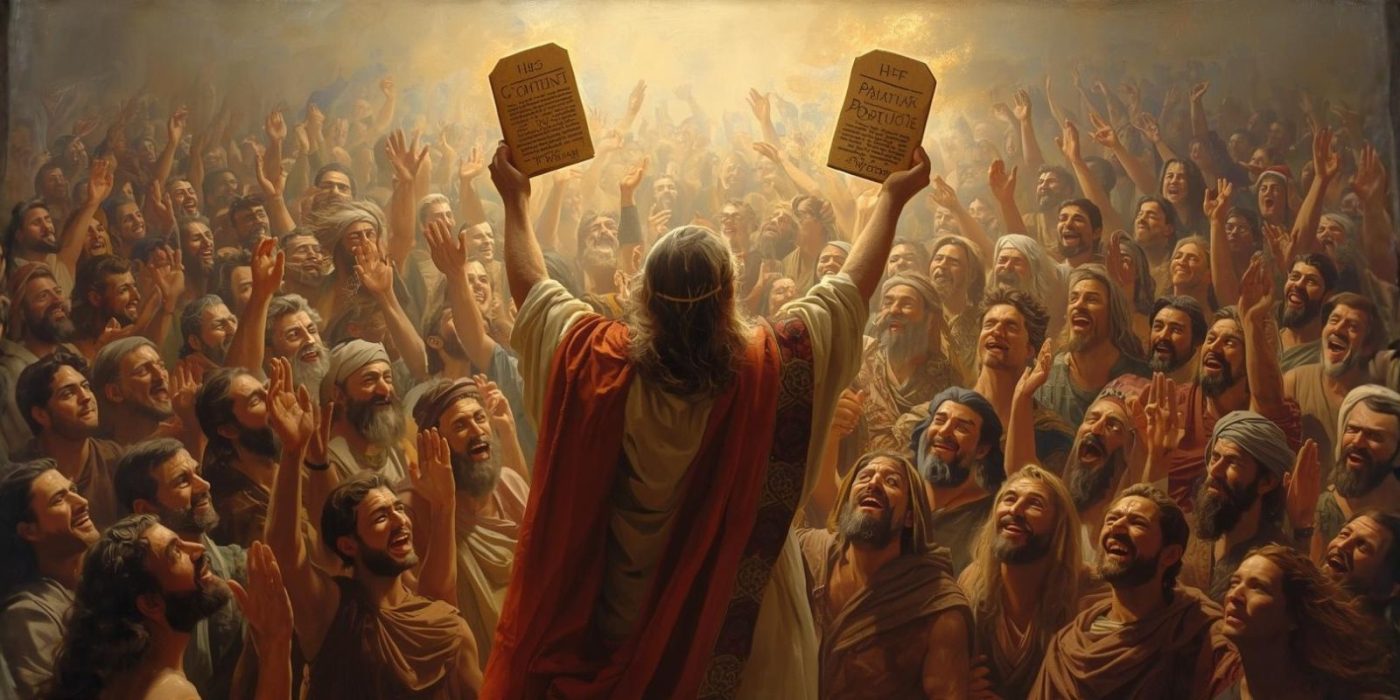
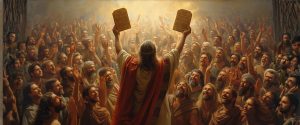
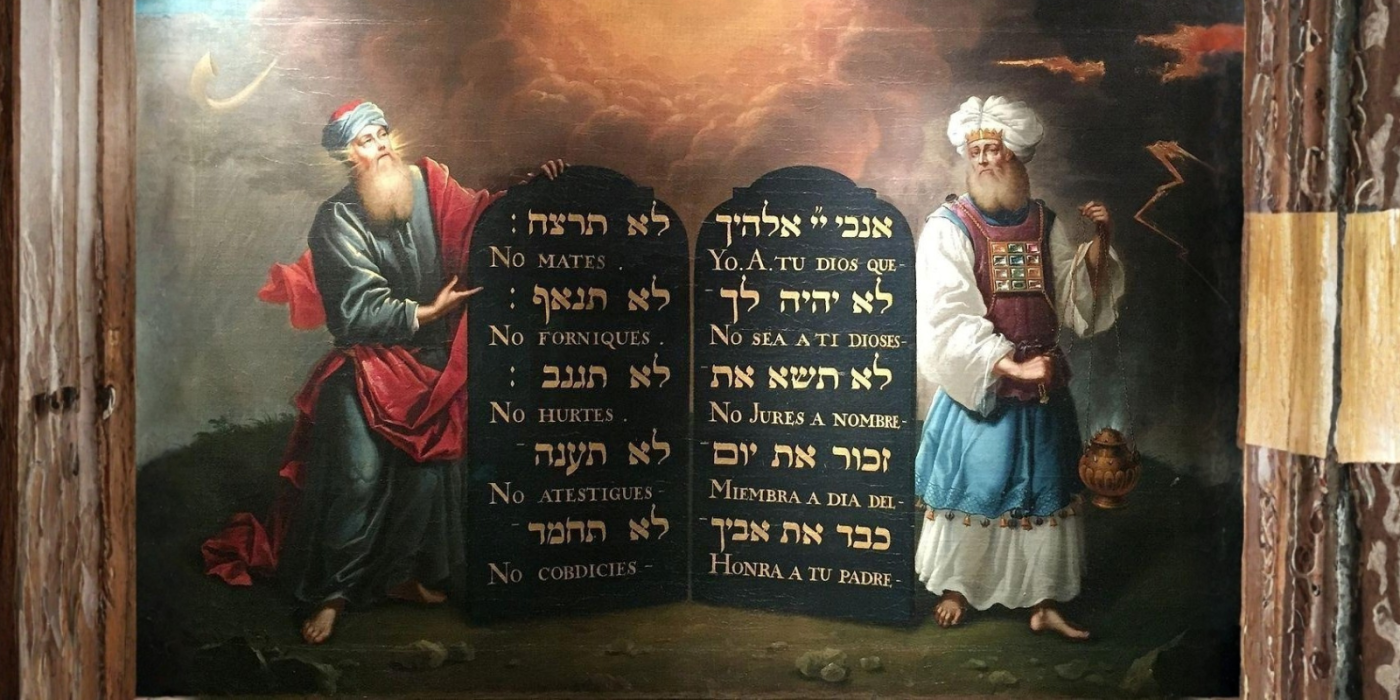
The situation is as follows: The Israelites stand at the foot of the smoking Mount Sinai. God has already delivered the Ten Commandments through a spectacular and frightening display of visions. The people see the voices, hear the shofar, and move fearfully, standing at a distance and asking for Moses to mediate.
Here begins the parashah Mishpatim: God opens and says to Moses: "And these are the judgments which you shall set before them." A long and varied list of laws and commandments unfolds before us: laws concerning slaves, a person who causes harm – bodily injury, an ox that causes harm – bodily injury, financial damage, and dozens of other laws. I can picture the majesty of the Israelites in ancient times, yet at the same time, I feel as if I have entered a law school classroom or a courtroom.
To what extent are these laws and commandments, concepts and expressions relevant to our times? Let's start with language. Expressions such as: underground thief, sabbatical arrangements, three pilgrimages, harvest festival, harvest festival, pierce his ear with an awl, do not cook a kid in its mother's milk, and also – an eye for an eye and a tooth for a tooth... and so on and so forth. These are common expressions in modern Hebrew, and we still use them today.
And what about the laws themselves? The laws concerning slaves, their ownership and freedom, for example: "When you buy a Hebrew slave, he shall serve six years. And on the seventh day, he shall go out free. (Exodus 21:2) At first glance, slavery seems irrelevant to our times. But in fact, slavery ended in the United States only 160 years ago, its consequences still reverberate today, and human trafficking is still a real and problematic phenomenon. In general, if we broaden our view from "slave' to "employee," we can agree that the issue of the relationship between powerful employers and powerless employees is still very relevant today. What about the rulings on the issues raised? Here, the situation is more complex. Let's look at a few examples: What will be your punishment if your ox gores another person? What is your responsibility? "And if an ox gores a man or a woman and they die..." (Exodus 21:8). A bit excessive today, right? So let's adapt the situation to our times: What is your responsibility if your dog bites and injures another person? Or another question: What is your responsibility if your dog is known to be aggressive and has injured or killed a person? According to the Mishpatim section, you must be very careful and take responsibility.... And if the ox gored yesterday or the day before, and its owner was warned but did not guard it, And if a man or woman is killed, the ox shall be stoned, and its owner shall also be put to death. (Exodus 21:9). Would you sign this sentence?
Another example: What would happen if someone got hurt because you dug a hole and didn't cover it up? And if a man opens a pit Or if a man digs a pit and does not cover it, and an ox or a donkey falls into it, The owner of the pit shall pay; he shall give money, and the ox or donkey shall be restored to him; and he that is slain shall be his. (Exodus 21:33-34). Is this law relevant today? In your opinion, if there is a hole in the sidewalk that has not been repaired, is the municipality responsible for compensating you for the damage if you are injured? If so, in this parashah we are exposed to a long list of laws and judgments dealing with issues of
Responsibility, guilt, intent. Many of the ideas are still relevant today and even serve as a foundation.
Moral for us.
However, given the severity of the sentences, I suggest that anyone considering living according to these rules under a halachic state should think again! The rulings of today's courts, even when they pursue justice, offer more humane and compassionate solutions and responses than those offered in ancient times. In light of the many rulings that mandate death, I would certainly not want to live in a society that operates according to the letter of the Torah, in a state governed by Jewish law. We must remain vigilant.
Finally, what about the issues of morality and social justice raised in the parashah Mishpatim? Similar to a person's responsibility as a result of negligence, issues of morality and social justice are also relevant to our private and public lives today. I invite you to take a special look at the collection of verses that, in my opinion, form the moral foundation of our people. A moral foundation that I hope we have not forgotten, that we must not forget, that we must fight for: justice for the poor, not lying, not taking bribes, knowing the soul of the stranger in our land."Do not pervert justice in the judgment of your poor. Keep away from false accusations, and do not put to death the innocent and righteous, for I will not justify the wicked.
And you shall not take a bribe, for a bribe blinds the discerning and perverts the words of the righteous. And you shall not oppress a stranger, for you know the heart of the stranger,you were strangers in the land of Egypt. (Exodus 23:6-8)



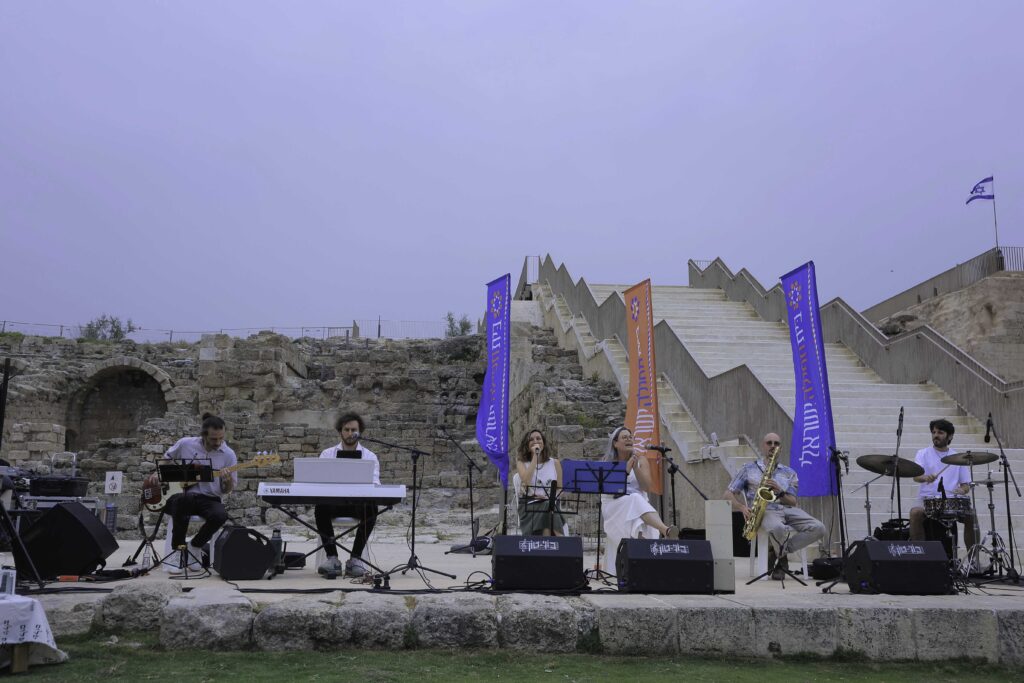
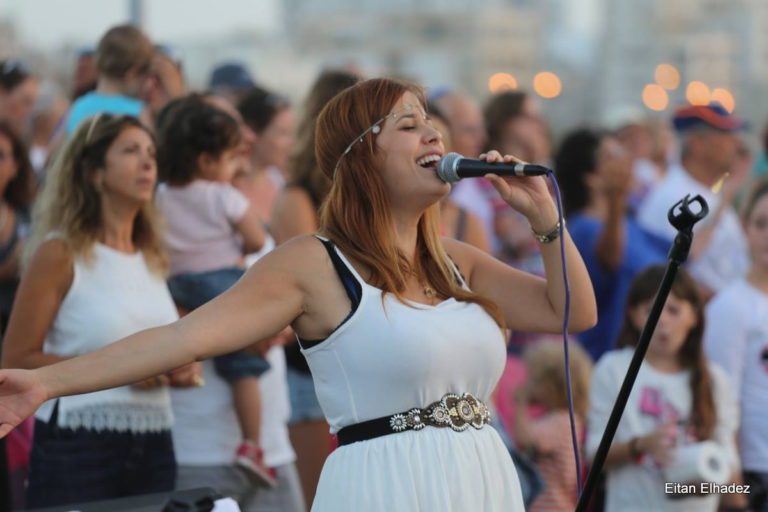
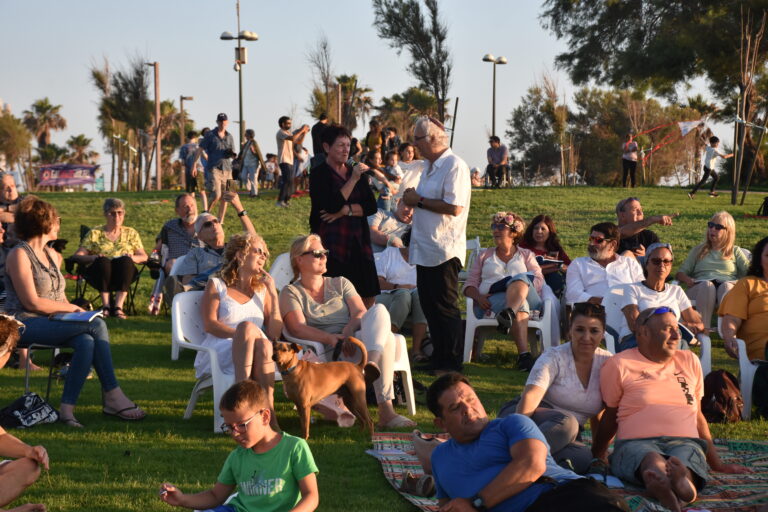
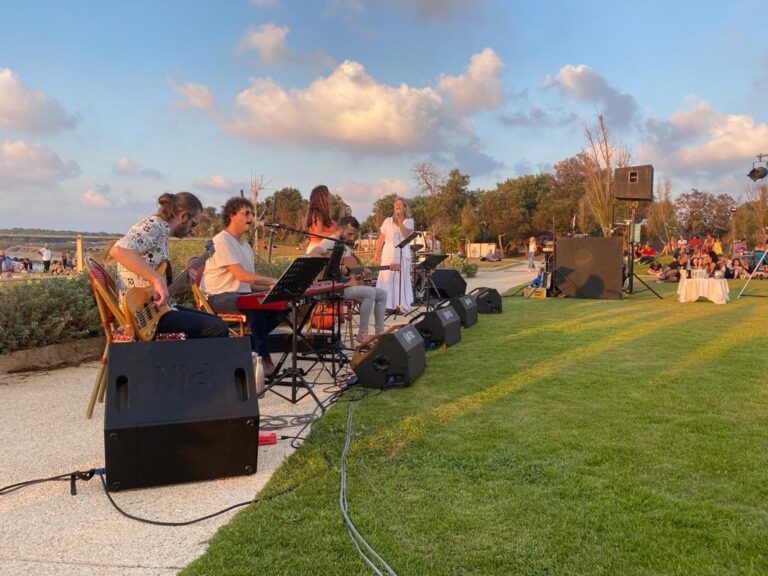
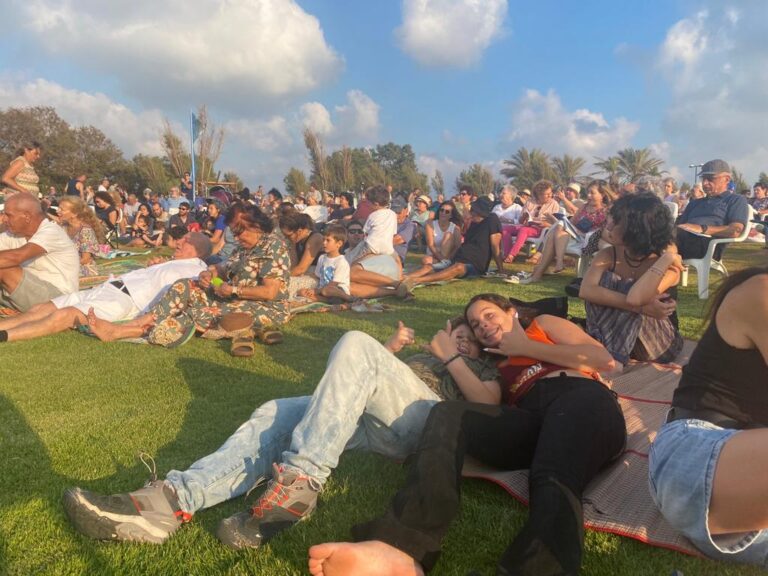
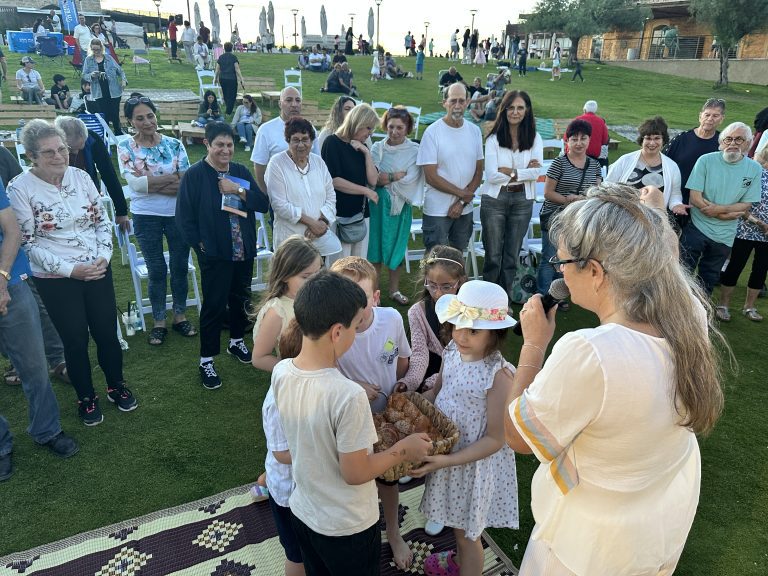
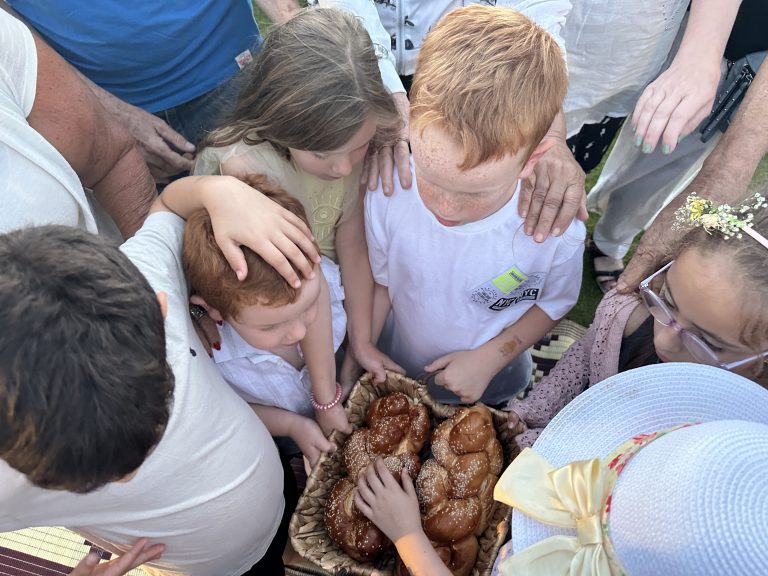
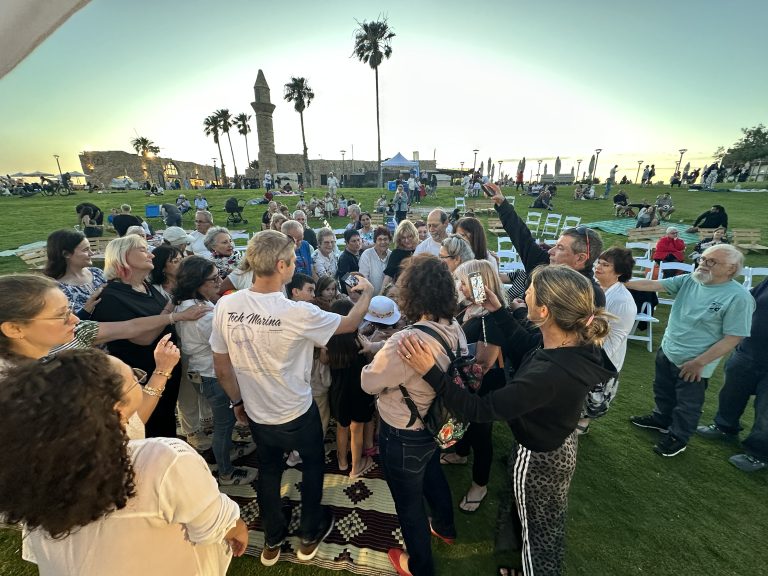
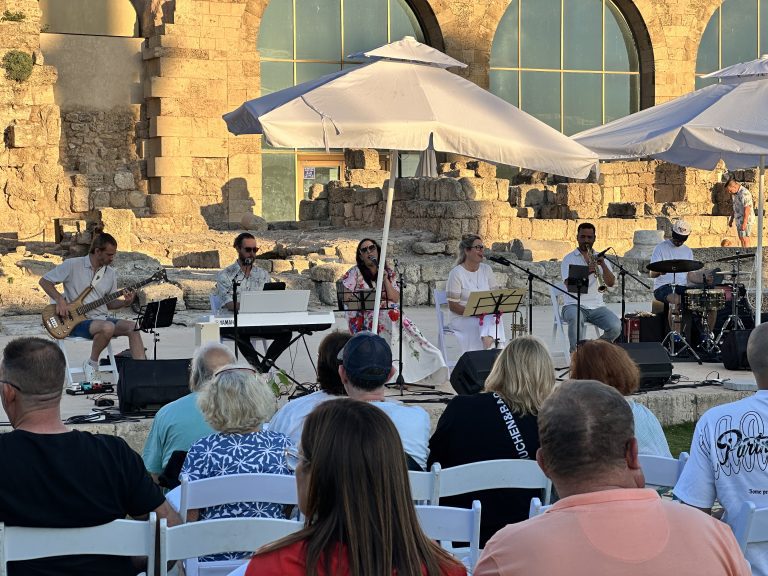
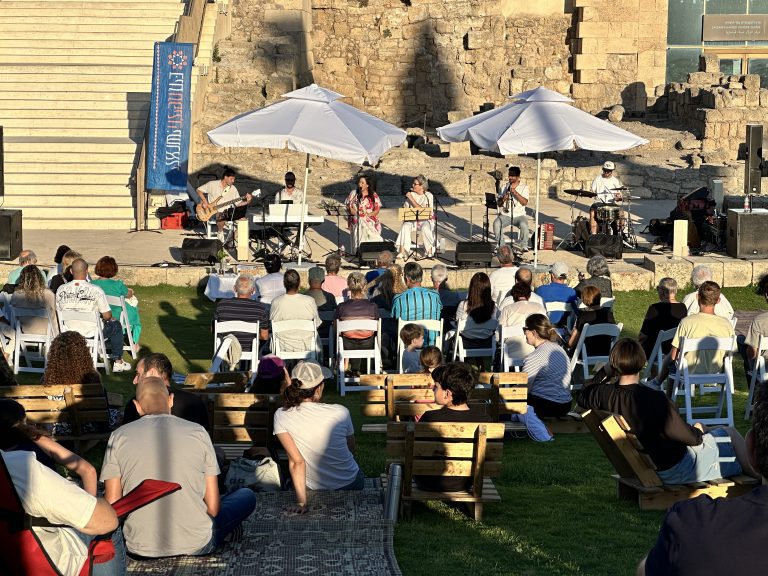
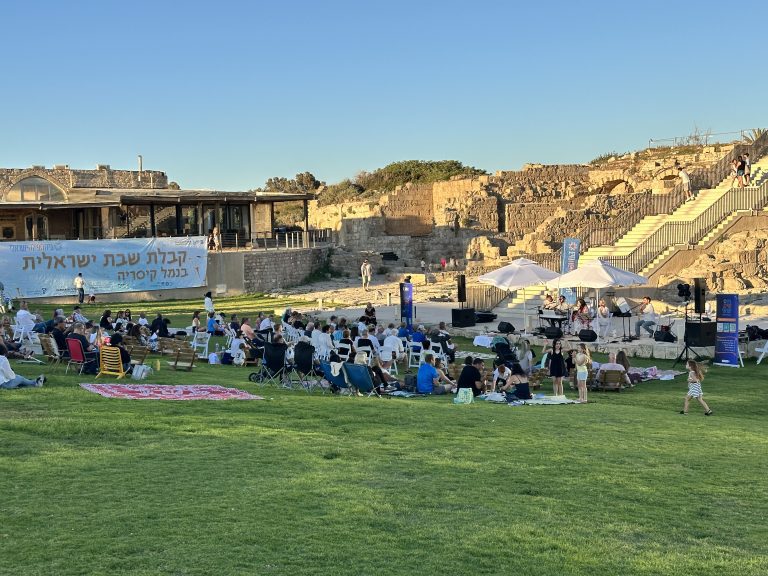



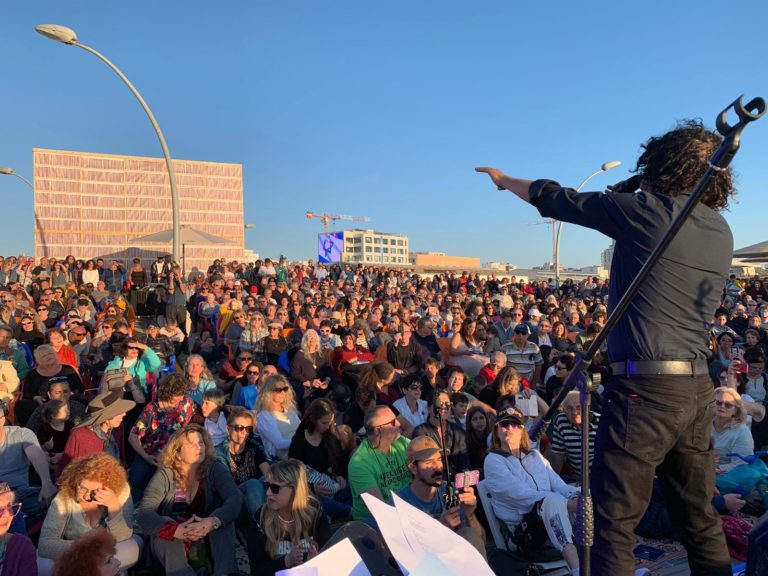
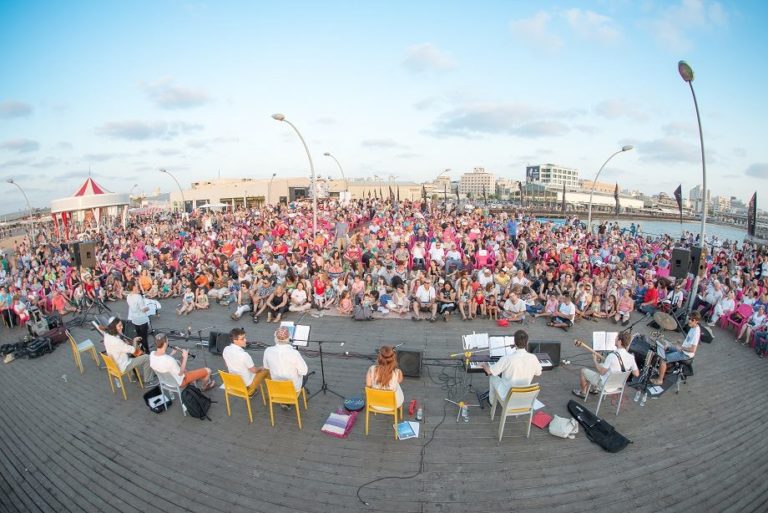
 With the musical ensemble of an Israeli prayer house and other surprises
 Join us every week,
 Tel Aviv Port, central check-in area near the roundabout
 Admission is free with advance registration.
We